


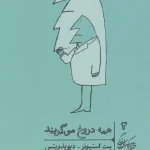
همه به هم شب به خیر گفتند اما کسی نخوابید
$ 22,80
«همه به هم شب به خیر گفتند اما کسی نخوابید» اثر رسول یونان (Rasoul Younan)، مجموعهای از ۳۱ داستان کوتاه فارسی با روایتهای موجز، گفتوگوهای فشرده و موقعیتهایی است که امر روزمره را به سوی غریبگی و طنز تلخ میبرند؛ نشر نیماژ، ۱۴۴ صفحه.
Descriptively rendered in English as Everyone Said Goodnight to One Another, but Nobody Slept, this book by Rasoul Younan is an original Persian collection of 31 concise short stories in which compressed dialogue and familiar situations can turn strange or darkly humorous. Published by Nimaj Publishing, 144 pages; the English phrase is not a published-edition title.
موجود
معرفی کتاب همه به هم شب به خیر گفتند اما کسی نخوابید
«همه به هم شب به خیر گفتند اما کسی نخوابید» مجموعهای از ۳۱ داستان کوتاه نوشتهٔ رسول یونان (Rasoul Younan) است که نشر نیماژ آن را در سال ۱۳۹۸ منتشر کرده است. این کتاب یک اثر تألیفی به زبان فارسی است، نه ترجمه؛ بنابراین برای آن مترجمی ثبت نمیشود و اعتبار نویسندگی تنها به رسول یونان تعلق دارد.
داستانها مستقلاند و کتاب ساختار یک رمان پیوسته با قهرمان واحد ندارد. هر قطعه موقعیت، گفتوگو یا تصویری محدود را میگیرد و آن را تا نقطهای پیش میبرد که امر روزمره کمی جابهجا، ناآرام یا غافلگیرکننده به نظر میرسد. همین استقلال به خواننده اجازه میدهد کتاب را پیوسته یا داستانبهداستان بخواند.
عنوان دقیق روی جلد
عنوان روی تصویر جلد موجود «همه به هم شب به خیر گفتند اما کسی نخوابید» است و «شب به خیر» در آن سه واژهٔ جدا نوشته شده است. این صورت برای نام محصول و عنوان اصلی صفحه حفظ میشود؛ نام نویسنده بخشی از عنوان کتاب نیست و جداگانه، با نقش درست، نمایش داده میشود.
برای کمک به خوانندهٔ انگلیسیزبان، برگردان توصیفی Everyone Said Goodnight to One Another, but Nobody Slept در صفحه آمده است. این عبارت ترجمهٔ روشن معنای عنوان فارسی است، نه ادعای وجود یک عنوان رسمی برای نسخهای منتشرشده به زبان انگلیسی.
سیویک داستان مستقل
اعلام رسمی زمان انتشار نشر نیماژ شمار داستانها را ۳۱ عنوان ثبت کرده است. «دانیال و سگهای وحشی»، «هرجا تو بخواهی آنجا میرویم»، «چراغزنبوری»، «احمقهای بدبخت» و «نگران نباش! پاپیون فرار کرد» از عنوانهایی هستند که ناشر هنگام معرفی مجموعه نام برده است.
فهرستهای کتابشناختی همچنین از «حبیب و پاییز»، «مونولوگی در نیمروز»، «آسمان قرمز»، «زمین آبی»، «در خیابانهای خیال»، «یک چهرهٔ آشنا»، «مسافران سیزده به در»، «مردی با گونی زرد» و «حرکت روی رشتههای عصبی» یاد میکنند. این تنوع عنوانها نشان میدهد کتاب به یک ماجرای واحد محدود نیست.
نثر کوتاه، روشن و فشرده
معرفیهای کتابشناختی این مجموعه بر زبان ساده و روان آن تأکید دارند. کوتاهی در اینجا به معنای بیحادثهبودن نیست: داستان میتواند با چند خط گفتوگو، یک شیء آشنا یا برخوردی روزمره آغاز شود و با تغییری کوچک در منطق موقعیت، معنای تازهای پیدا کند.
پیشینهٔ شاعرانهٔ نویسنده در توجه او به تصویر و ضرباهنگ جملهها قابلردیابی است، اما کتاب مجموعهشعر نیست. واحد اصلی هر بخش داستان است و ایجاز برای ساختن شخصیت، تعلیق یا چرخش روایی به کار میرود. خواننده برای ورود به روایتها به توضیح نظری یا پیشزمینهٔ تخصصی نیاز ندارد.
وقتی امر عادی کمی غریب میشود
خود نویسنده هنگام معرفی کتاب در وبلاگ رسمیاش بخشی از داستان «صدای دریا» را منتشر کرد: دیداری ساده با پیرمردی و دو بسته سیگار قدیمی به استدلالی نامنتظر دربارهٔ عوضشدن دنیا و ارزش چیزهای قدیمی میرسد. بدون بازگویی متن داستان، همین نمونه نشان میدهد چگونه مکالمهای معمولی میتواند راهی به منطق خاص شخصیت باز کند.
در دیگر نمونههای معرفیشده نیز خواب، ترس، سفر، خیابان، دریا و اشیای روزانه کنار رخدادهایی قرار میگیرند که قطعیت واقعیت را کمی سست میکنند. کتاب لزوماً فانتزی به معنای ژانری نیست؛ غریبگی اغلب از دل همان شهر، خانه، جاده و گفتوگوی آشنا بیرون میآید.
طنز تلخ و چرخش پایانی
بخشی از گیرایی این داستانها از فاصلهٔ میان لحن آرام روایت و نتیجهٔ ناآرام موقعیت میآید. طنز گاهی در یک پاسخ نامنتظر، سوءتفاهم یا منطقی شکل میگیرد که برای شخصیت کاملاً طبیعی است اما برای خواننده عجیب به نظر میرسد. این طنز بیشتر لبخندی همراه با مکث میسازد تا شوخیِ صرف.
همهٔ داستانها الزاماً پایان غافلگیرکنندهٔ یکسان ندارند. برخی با تصویر یا پرسشی باز تمام میشوند و برخی چرخشی کوتاه دارند. بهتر است هر داستان را واحدی مستقل دید و اجازه داد وزن سکوت، حذف و ناگفتهها نیز بخشی از تجربهٔ خواندن باشد.
شب، بیخوابی و تصویر جلد
عنوان بلند کتاب وعدهٔ یک روایت واحد دربارهٔ شبی خاص نمیدهد؛ بیشتر حالتی جمعی و متناقض میسازد: آیین آشنای شببهخیر گفتن انجام شده، اما خواب از راه نرسیده است. این تضاد با موقعیتهایی هماهنگ است که ظاهرشان عادی است ولی آرامش زیر سطح آنها دوام نمیآورد.
جلد فارسی نیز کوچهای سنگی را در شب، با چراغهای روشن و رنگهای تیره نشان میدهد. عنوان زرد در پایین تصویر و نام سفید نویسنده در کنار فضای کمنور، هویت دیداری همین نسخه را میسازند؛ توضیح تصویر دربارهٔ عناصر قابلمشاهده است و از روی جلد، محتوای تکتک داستانها را حدس نمیزند.
رسول یونان و حرکت به سوی داستانک
رسول یونان (Rasoul Younan) شاعر، داستاننویس، رماننویس و نمایشنامهنویس ایرانی است. معرفی او در World Literature Today به حرکت آثار متأخرش به سوی داستانک اشاره میکند؛ وبلاگ رسمی نویسنده نیز میگوید او به فارسی و ترکی مینویسد و در کارنامهاش شعر، داستان، نمایشنامه و ترجمه دارد.
این زمینه برای خواندن مجموعه مهم است، زیرا فشردگی روایتها از تجربهٔ همزمان نویسنده با شعر و داستان جدا نیست. بااینحال نسبتدادن هر جملهٔ کوتاه به «شعر» سادهسازی است: در این کتاب شخصیت، موقعیت و تغییر روایی همچنان ستونهای داستانی متناند.
نسخهٔ نشر نیماژ
این رکورد به نسخهٔ فارسی نشر نیماژ با شابک 978-600-367-485-1، قطع رقعی، جلد شومیز و سال انتشار ۱۳۹۸ / ۲۰۱۹ مربوط است. رکوردهای همین شابک ۱۴۴ صفحه و ۳۱ داستان را ثبت میکنند.
رکوردهای شابکمحور این نسخه ۱۴۴ صفحه ثبت کردهاند؛ خبر زمان انتشار ناشر ۱۴۲ صفحه نوشته بود، بنابراین اختلاف میتواند از شیوهٔ صفحهشماری یا نوبت چاپ باشد. عدد ۱۴۴ برای شناسایی نسخه در این صفحه استفاده شده است، اما اگر نوبت چاپ خاص برای خریدار تعیینکننده باشد، شناسنامهٔ همان نسخه مرجع نهایی خواهد بود.
اثر فارسیِ تألیفی، بدون مترجم
زبان اثر و زبان این نسخه هر دو فارسیاند. کتاب بازنویسی یا ترجمهٔ اثری خارجی نیست و نام شخصی نباید بهعنوان مترجم به آن افزوده شود. این مرزبندی هم برای اعتبار درست پدیدآورنده و هم برای دادههای کتابشناختی و جستوجوی آثار رسول یونان ضروری است.
نام فارسی و انگلیسی نویسنده در پیوند رسول یونان (Rasoul Younan) کنار هم آمده است تا آثار مرتبط او با یک کلیک پیدا شوند. صورت انگلیسی انتخابشده برای این فروشگاه Rasoul Younan است؛ صورتهای Rasool Yunan و Rasool Yoonan فقط نامنویسیهای جایگزین در منابع بینالمللیاند.
این کتاب برای چه خوانندهای مناسب است؟
این مجموعه برای علاقهمندان داستان کوتاه معاصر ایران، داستانک، روایتهای موجز و موقعیتهایی مناسب است که مرز واقعیت و خیال را بیهیاهو جابهجا میکنند. خوانندهای که از دیالوگ فشرده، طنز گاه تلخ و پایانهای باز یا ناگهانی لذت میبرد، در میان ۳۱ داستان امکان انتخاب متنوعی دارد.
اگر بهدنبال رمانی بلند با خط روایی پیوسته هستید، ساختار این کتاب متفاوت است. مزیت مجموعه در تغییر سریع زاویهٔ دید و فضاست: میتوان هر بار یک داستان خواند، میان روایتها مکث کرد و سپس به داستانی با شخصیتها و موقعیتی تازه رفت.
پیشنهاد برای خواندن مجموعه
میتوان کتاب را به ترتیب ناشر خواند تا ضرباهنگ چینش حفظ شود، یا داستانها را در نوبتهای کوتاهتر دنبال کرد. توجه به نخستین جزئیات هر داستان—یک شیء، یک نام، یک جمله یا یک مکان—کمک میکند تغییر بعدی موقعیت روشنتر دیده شود.
در بازخوانی، فاصلهٔ میان آنچه شخصیت میگوید و آنچه روایت نشان میدهد اهمیت پیدا میکند. ایجاز باعث میشود بخشی از معنا صریح گفته نشود؛ خواننده باید رابطهٔ میان تصویر آغازین، لحن گفتوگو و پایان را خود کامل کند، بیآنکه یک تفسیر واحد به همهٔ داستانها تحمیل شود.
مشخصات کتاب
| عنوان دقیق | همه به هم شب به خیر گفتند اما کسی نخوابید |
|---|---|
| برگردان توصیفی انگلیسی | Everyone Said Goodnight to One Another, but Nobody Slept؛ عنوان رسمی یک نسخهٔ ترجمهشده نیست |
| نویسنده | رسول یونان (Rasoul Younan) |
| ناشر | نشر نیماژ / Nimaj Publishing |
| شابک | 978-600-367-485-1 |
| تعداد داستان | ۳۱ داستان کوتاه |
| تعداد صفحه | ۱۴۴ |
| یادداشت اختلاف صفحهشماری | رکوردهای شابکمحور این نسخه ۱۴۴ صفحه ثبت کردهاند؛ خبر زمان انتشار ناشر ۱۴۲ صفحه نوشته بود، بنابراین اختلاف میتواند از شیوهٔ صفحهشماری یا نوبت چاپ باشد |
| نوع اثر | مجموعهداستان کوتاه تألیفی |
| زبان | فارسی |
| قطع | رقعی |
| نوع جلد | شومیز / paperback |
| انتشار نخست / First Publication | ۱۳۹۸ خورشیدی / ۲۰۱۹ میلادی |
| موضوع | داستان کوتاه معاصر ایران، داستانک و روایت موجز |
About this Persian short-story collection
«همه به هم شب به خیر گفتند اما کسی نخوابید» is a collection of 31 short stories written by Rasoul Younan and published by Nimaj Publishing in 1398 SH / 2019. It is an original work written in Persian, not a translation. No translator should be credited, and authorship belongs solely to Rasoul Younan.
The stories are independent; this is not a continuous novel with one recurring protagonist. Each piece takes a limited situation, exchange or image and carries it to a point where everyday life feels slightly displaced, unsettled or surprising. That independence lets readers move through the book in sequence or one story at a time.
The exact title on the cover
The stocked cover prints the Persian title as «همه به هم شب به خیر گفتند اما کسی نخوابید», with شب به خیر written as three separate words. This exact form belongs in the product name and page heading. The author’s name is not part of the book title and appears separately with the correct role.
Everyone Said Goodnight to One Another, but Nobody Slept is supplied as a clear descriptive rendering for English-language readers. It conveys the meaning of the Persian title; it is not presented as the official title of a separately published English edition.
Thirty-one independent stories
Nimaj Publishing’s publication announcement recorded 31 stories. Titles named by the publisher include دانیال و سگهای وحشی, هرجا تو بخواهی آنجا میرویم, چراغزنبوری, احمقهای بدبخت and نگران نباش! پاپیون فرار کرد.
Bibliographic listings also name حبیب و پاییز, مونولوگی در نیمروز, آسمان قرمز, زمین آبی, در خیابانهای خیال, یک چهرهٔ آشنا, مسافران سیزده به در, مردی با گونی زرد and حرکت روی رشتههای عصبی. The range of titles confirms that the collection is not confined to one plot.
Short, clear and concentrated prose
Bibliographic descriptions emphasise the collection’s simple, fluent language. Brevity does not mean that nothing happens: a story may begin with a few lines of dialogue, an ordinary object or a familiar encounter, then alter the logic of that scene just enough to produce a new meaning.
Younan’s poetic background can be traced in his attention to imagery and sentence rhythm, but this is not a poetry collection. The organising unit is the story, and compression is used to form character, suspense or a narrative turn. Readers need no specialist background or theoretical introduction to enter the pieces.
When the ordinary becomes slightly strange
When announcing the book on his official blog, Younan shared part of صدای دریا (“The Sound of the Sea”). An ordinary encounter with an old man and two packets of vintage cigarettes leads to an unexpected line of reasoning about a changing world and the value of old things. Without reproducing the story, the example shows how familiar conversation can open into a character’s private logic.
Other described pieces bring dreams, fear, travel, streets, the sea and everyday objects beside incidents that loosen the certainty of reality. The collection is not necessarily fantasy in a strict genre sense. Its strangeness often emerges from the same cities, homes, roads and conversations that initially look familiar.
Dark humour and narrative turns
Some of the stories gain their force from the distance between a calm narrative voice and an uneasy outcome. Humour can form through an unexpected answer, a misunderstanding or reasoning that feels natural to the character but odd to the reader. It is more likely to create a smile followed by a pause than to function as a joke alone.
Not every story has the same kind of surprise ending. Some close on an image or open question; others make a brief turn. Each piece is best treated as an independent unit, with silence, omission and what remains unsaid allowed to contribute to the reading experience.
Night, sleeplessness and the cover image
The long title does not promise a single narrative about one particular night. Instead, it creates a collective contradiction: the familiar ritual of saying goodnight has taken place, yet sleep has not arrived. That tension suits situations whose surfaces look ordinary while calmness underneath them does not last.
The Persian cover shows a stone alley at night, lit by street lamps and rendered largely in dark tones. A yellow title at the bottom and the author’s name in white sit against the dim scene. This is a description of visible cover elements, not an attempt to infer the content of every story from the artwork.
Rasoul Younan and the turn toward microfiction
Rasoul Younan is an Iranian poet, short-story writer, novelist and playwright. His profile in World Literature Today notes a turn toward microfiction in his later collections. Younan’s official blog says that he writes in Persian and Turkish and that his work also includes poetry, drama and translation.
That background matters to this collection because its compressed narratives are not separate from his experience in both poetry and fiction. Still, treating every short sentence as “poetry” would oversimplify the book: character, situation and narrative change remain structural parts of these stories.
Nimaj Publishing’s edition
This record concerns Nimaj Publishing’s Persian paperback, ISBN 978-600-367-485-1, in royal-octavo format and dated 1398 SH / 2019. Records tied to this ISBN give 144 pages and 31 stories.
ISBN-specific edition records give 144 pages; the publisher’s launch announcement gave 142, so the difference may reflect pagination practice or printing. This page uses 144 to identify the edition, but the colophon of the particular copy remains the final authority if a specific printing matters to the buyer.
An original Persian work with no translator
The language of the work and this edition is Persian. It is not a rewriting or translation of a foreign-language book, so no person should be added as translator. Keeping that boundary protects creator credit and makes bibliographic data and searches for Younan’s books more accurate.
The linked credit presents both رسول یونان and Rasoul Younan so readers can find his related books in one click. AlefBa uses Rasoul Younan as the English display form; Rasool Yunan and Rasool Yoonan remain discovery aliases found in international sources.
Who may appreciate this collection?
The book may suit readers of contemporary Iranian short fiction, microfiction, concise narratives and situations that quietly shift the border between reality and imagination. Readers who enjoy compressed dialogue, occasional dark humour and open or sudden endings will find varied choices among the 31 pieces.
If you want a long novel with one continuous plot, this book has a different structure. Its strength lies in the quick change of viewpoint and setting: readers can finish one story, pause, then enter another with new characters and a fresh situation.
A way to read the collection
The stories can be read in the publisher’s sequence to preserve the rhythm of the arrangement, or in shorter sessions. Paying attention to the first details of each piece—an object, name, sentence or place—helps make the later shift in the situation more visible.
On rereading, the distance between what a character says and what the narrative shows may become more important. Compression leaves part of the meaning unstated, asking the reader to connect the opening image, the tone of dialogue and the ending without forcing one interpretation upon all 31 stories.
Book details
| Exact Persian title | همه به هم شب به خیر گفتند اما کسی نخوابید |
|---|---|
| Descriptive English rendering | Everyone Said Goodnight to One Another, but Nobody Slept; not an official translated-edition title |
| Author | Rasoul Younan |
| Publisher | Nimaj Publishing |
| ISBN | 978-600-367-485-1 |
| Contents | 31 short stories |
| Pagination | 144 |
| Edition-record note | ISBN-specific edition records give 144 pages; the publisher’s launch announcement gave 142, so the difference may reflect pagination practice or printing |
| Work type | Original short-story collection |
| Language | Persian |
| Format | Royal octavo |
| Binding | Paperback |
| Publication year | 1398 SH / 2019 |
| Subjects | Contemporary Iranian short fiction, microfiction and concise narrative |
نظر، اصلاح و تکمیل محتوا
اصلاح اطلاعات یا ارسال نظر درباره این کتاب
اصلاح اطلاعات یا ارسال نظر درباره کتاب «همه به هم شب به خیر گفتند اما کسی نخوابید»
اگر درباره مشخصات، تاریخها، نامها، منابع یا محتوای این صفحه اصلاح مستندی دارید، لطفاً پیام خود و منبع اطلاعات را ارسال کنید. پیامها پیش از اعمال تغییر بررسی میشوند.
If you have a documented correction, reliable source or additional information about this page, please send it below. All submissions are reviewed before any changes are made.
.فقط مشتریانی که این محصول را خریداری کرده اند و وارد سیستم شده اند میتوانند برای این محصول دیدگاه(نظر) ارسال کنند.




نقد و بررسیها
هنوز بررسیای ثبت نشده است.