

«رومی» بهمن شکوهی؛ نسخهٔ فارسی، رمان انگلیسی و مسیر خواندن تا خیام

پروندهٔ نویسنده و کمپین کتاب
رمانِ یک دگرگونی؛ بهمن شکوهی چگونه «رومی» را از فارسی به انگلیسی رساند
«رومی» از کودکی جلالالدین در بلخ آغاز میشود، مسیر مهاجرت خانوادهاش را دنبال میکند و تا قونیه و دیدار دگرگونکننده با شمس پیش میرود. بهمن شکوهی این طرح را نخست به فارسی نوشت و سالها بعد نسخهای انگلیسی از آن را در استرالیا منتشر کرد. این پرونده مسیر ساختهشدن دو کتاب، مرز تاریخ و تخیل، آثار دیگر نویسنده و راههای خواندن مولانا و خیام را با سندهای روشن دنبال میکند.
AUTHOR DOSSIER AND BOOK CAMPAIGN
A novel of transformation: how Bahman Shokouhi carried Rumi from Persian into English
Rumi begins with Jalal al-Din’s childhood in Balkh, follows his family’s migration and reaches Konya and the encounter with Shams that reshaped his life. Bahman Shokouhi first built this story in Persian and later published an English edition in Australia. This dossier traces the making of both books, the boundary between history and invention, Shokouhi’s other documented work, and reliable reading paths into Rumi and Khayyam.
بهمن شکوهی؛ زندگینامهای که از سند آغاز میشود
Bahman Shokouhi: a biography that begins with evidence
از جامعهٔ ایرانی استرالیا تا رمان تاریخی
اسبیاس فارسی در گفتوگویی که ۳۱ اوت ۲۰۱۹ منتشر شد، بهمن شکوهی را نویسنده و شاعر ایرانیـاسترالیایی ساکن سیدنی معرفی کرد. همان گزارش «رومی» را چهارمین اثر او دانست و انتشار فارسی کتاب نزد انتشارات نگاه در سال ۱۳۹۷ را ثبت کرد. این گزارش مستقل، نقطهٔ اتکای اصلی برای زندگی حرفهای نویسنده است.
بخش عمدهٔ ردپای عمومی شکوهی از مسیر کتابها شکل میگیرد: نخست شعر و طنز، سپس رمانی بلند دربارهٔ جلالالدین محمد بلخی، بعد «رویای یک صوفی» دربارهٔ ابوحامد غزالی، و سرانجام انتشار انگلیسی «رومی» و فعالیت انتشاراتی در استرالیا. این توالی تصویری روشنتر از یک زندگینامهٔ تبلیغاتی میدهد؛ زیرا هر مرحله با یک اثر، گفتوگو، شناسهٔ کتاب یا رویداد عمومی پیوند دارد.
جستوجوی منابع عمومی برای نام پدر و مادر، جزئیات دوران کودکی و روابط خانوادگی شکوهی نتیجهٔ قابلاتکایی نداشت. چند معرفی شبکهٔ اجتماعی دربارهٔ زادگاه یا تحصیل او اطلاعات ناسازگار میدهند و سند مستقلی برای رفع این اختلاف پیدا نشده است. تحریریه این موارد را کنار گذاشته و مرز دانستههای قابلاثبات را روشن نگه داشته است.
عکسها و اطلاعاتی که برای این کمپین مستقیماً در اختیار الفبا قرار گرفتهاند، برای معرفی آثار و فعالیتهای ادبی استفاده شدهاند. پیامهای خصوصی، نشانیها، رمزها، اطلاعات مالی و گفتوگوهای خارج از موضوع در مقاله جایی ندارند. تصویر عمومی نویسنده در این صفحه از کتابها، مصاحبههای منتشرشده و حضورهای فرهنگی ساخته میشود.
From Iranian Australia to historical fiction
In an interview published on 31 August 2019, SBS Persian identified Bahman Shokouhi as an Iranian-Australian writer and poet living in Sydney. The report described Rumi as his fourth work and recorded its Persian publication by Negah in the Iranian year 1397. This independent report is the strongest public starting point for his professional biography.
Most of Shokouhi’s public trail is made of books: early poetry and humour, a long novel about Jalal al-Din Muhammad Balkhi, A Sufi’s Dream about Abu Hamid al-Ghazali, and later the English publication of Rumi alongside publishing activity in Australia. That sequence is more useful than an expansive promotional biography because each stage is attached to a book, interview, bibliographic identifier or public event.
A search of public sources produced no dependable record of Shokouhi’s parents’ names, detailed childhood history or private family life. Social-media profiles give conflicting accounts of birthplace and education, with no independent record available to resolve them. The feature omits those claims and marks the boundary of what the available evidence can establish.
Images and information supplied directly for this AlefBa campaign are used to document literary work and public activity. Private messages, addresses, passwords, financial information and unrelated correspondence are excluded. The public portrait presented here is built from books, published interviews and cultural appearances.
شعر، کلاس و گفتوگو؛ زمینهٔ ادبی نویسنده
Poetry, study and conversation: the writer’s literary formation
روایتی که خود نویسنده از مسیرش میدهد
در گفتوگوی مفصل سال ۱۳۹۷ که هنگام حضور شکوهی در دفتر نشر نگاه انجام شد، معرفی مصاحبه او را از شاگردان پیشین محمدرضا شفیعی کدکنی و از دوستان قیصر امینپور میخواند. شکوهی نیز در متن همان گفتوگو میگوید بارها در کلاسهای شفیعی کدکنی حاضر شده، شعر میسروده و با قیصر امینپور رفاقت داشته است. برای این بخش سند مستقلی مانند پروندهٔ دانشگاهی یا نوشتهٔ طرف دیگر پیدا نشد. این دادهها در مقاله به همان مصاحبه نسبت داده میشوند و پشتوانهٔ چندمنبعی ندارند.
مضمون گفتوگو با روش رمان «رومی» ارتباط مستقیم دارد. شکوهی مولانا را از دل شعر، عرفان و تاریخ ادبی فارسی میخواند و بارها میان شور غزلهای دیوان شمس، ساختار تعلیمی مثنوی، بیان سعدی و پیچیدگی حافظ مقایسه میسازد. در رمان، این علاقه از راه پرسش دربارهٔ دگرگونی یک فقیه و مدرس به شاعری نمود پیدا میکند که زبانش تجربهٔ شور و فقدان را حمل میکند؛ نقل بیتهای مشهور یکی از ابزارهای این جستوجوست.
همراهی فرید مرادی، ویراستار کتاب، در مصاحبه نیز اهمیت دارد. او در برابر بعضی ادعاهای تاریخی یا تعبیرهای نویسنده مکث میکند، تاریخها را میسنجد و دربارهٔ مرز واقعیت و داستان سؤال میپرسد. همین گفتوگوی زنده امکان میدهد روند ساخت کتاب را در برابر چشم خواننده ببینیم: اشتیاق نویسنده، انتخابهای روایی، مقاومت ویراستار و جایی که سند تاریخی نیازمند توضیح دوباره است.
اثر آموزش ادبی را میتوان در شیوهٔ طرح پرسش، حساسیت به وزن و موسیقی کلام و تمرکز بر «شدن» مولانا دنبال کرد. نسبت شخصی شکوهی با استادان و شاعران، همانگونه که در مصاحبه آمده، با نسبت تحلیلی او با متنهای کلاسیک فرق دارد و این دو باید از هم جدا بمانند.
The path described in Shokouhi’s own interview
A substantial 1397 interview conducted while Shokouhi was visiting Negah’s Tehran office introduces him as a former student of Mohammad-Reza Shafi’i Kadkani and a friend of Qeysar Aminpour. In the discussion, Shokouhi says that he attended Shafi’i Kadkani’s classes frequently, wrote poetry and was close to Aminpour. No independent university record or corroborating account was located. The details therefore remain attributed to that interview and do not carry multi-source biographical confirmation.
The substance of the conversation bears directly on the method of Rumi. Shokouhi approaches Rumi through Persian poetry, Sufism and literary history, moving between the energy of the Divan-e Shams, the didactic architecture of the Masnavi, Saadi’s clarity and Hafez’s density. Celebrated quotations serve a larger inquiry: how a jurist and teacher becomes a poet whose language can carry ecstasy, loss and release.
The presence of the book’s editor, Farid Moradi, also matters. He pauses over historical claims, checks dates and presses the author on the boundary between fact and invention. The exchange lets readers observe the making of the book: the author’s enthusiasm, his narrative choices, the editor’s resistance and the points at which the historical record requires a correction or clearer explanation.
The interview and the novel reveal a literary formation expressed through Shokouhi’s questions, his attention to the music of language and his focus on Rumi’s process of becoming. His reported personal relationships with teachers and poets remain separate from his demonstrable analytical relationship with classical texts.

بهمن شکوهی در یک گفتوگوی ادبی. عکس ارسالی نویسنده به الفبا، دریافتشده در ۸ اوت ۲۰۲۶؛ استفاده با اجازه برای این پرونده.
Bahman Shokouhi during a literary conversation. Author-supplied to AlefBa, received 8 August 2026; used with permission for this feature.
«رومی» از کجا آغاز شد؟
Where did Rumi begin?
کتابی در سیدنی و پرسشی دربارهٔ تمام زندگی مولانا
شکوهی در گفتوگوی نشر نگاه منشأ رمان را با صراحتی کمسابقه تعریف میکند. «کیمیا خاتون» نوشتهٔ سعیده قدس در سیدنی به دستش میرسد و تمرکز آن کتاب بر یک بخش از زندگی مولانا او را به فکر دامنهای گستردهتر میاندازد. او این انگیزه را با لحنی طنزآمیز «حسادت شخصی» مینامد، اما حاصل عملی آن گردآوری رمانها، شرحها و منابع تاریخی دربارهٔ مولاناست. پروژه از واکنش به کتاب دیگر عبور میکند و به جستوجوی یک زندگی کاملتر تبدیل میشود.
طرح نخست تا ازدواج مولانا پیش میرفت. سپس نویسنده به این نتیجه رسید که بدون شمس، مسیر دگرگونی شخصیت ناتمام میماند. بخشی که قرار بود حدود صد صفحه باشد، در روند نوشتن به چندصد صفحه رسید. این تغییر حجم یک نکتهٔ ساختاری را نشان میدهد: مرکز ثقل رمان از ثبت رویدادهای دوران کودکی و سفر به توضیح چگونگی تغییر جلالالدین منتقل شد.
به گفتهٔ شکوهی، خط اصلی روایت سفری حدود بیستوپنجساله از بلخ تا قونیه است. خانواده از شرق جهان ایرانی حرکت میکند، از شهرها و مراکز علمی میگذرد، مدتی در لارنده اقامت میکند و سرانجام در قونیه جای میگیرد. رمان در کنار جغرافیا، بر کودکی، نوجوانی، جوانی و شکلگیری تدریجی شخصیت تمرکز دارد؛ مراحلی که منابع مناقبنویسی معمولاً کمتر از سالهای شهرت و پختگی مولانا دربارهشان سخن میگویند.
نویسنده ژانر کتاب را رمان عاشقانه میخواند. در این تعریف، عشق میان خانواده، آموزگار و شاگرد، انسان و امر قدسی، و مولانا و شمس حرکت میکند. روایت خطی سفر به خواننده امکان میدهد تغییر را مرحلهبهمرحله ببیند. دیدار شمس پس از انباشتهشدن تجربههای پیشین رخ میدهد و صورت تازهای به زندگی شخصیت میبخشد.
شبِ بایزید
یکی از ملموسترین خاطرههای نوشتن مربوط به بخشی سیوپنجصفحهای دربارهٔ بایزید بسطامی است. شکوهی میگوید یادداشتها را از پیش آماده کرده بود و متن نهایی را در یک شب نوشت. او حالت خود را با زبانی الهامی توصیف میکند و همزمان تأکید میکند که ادعای مقام عرفانی ندارد. از منظر نقد ادبی، این خاطره فاصلهٔ میان کار طولانیِ تحقیق و لحظهای را روشن میکند که یادداشتها به صحنه و گفتوگو تبدیل میشوند.
A book in Sydney and a question about Rumi’s whole life
In the Negah interview, Shokouhi describes the novel’s origin with unusual candour. Saideh Ghods’s Kimia Khatoon reached him in Sydney, and its concentration on one part of Rumi’s story prompted him to imagine a wider canvas. He jokingly calls his initial motive “personal jealousy,” but the practical result was serious: he gathered novels, commentaries and historical materials about Rumi. What began as a response to another book developed into a search for the arc of an entire life.
The first plan ended with Rumi’s marriage. Shokouhi then concluded that the character’s transformation could not be completed without Shams. A section envisaged at roughly one hundred pages expanded into several hundred. The change in scale reveals a structural shift: the novel’s centre moved from recording childhood and migration to explaining how Jalal al-Din became a different kind of person.
Shokouhi describes the main line as a journey of about twenty-five years from Balkh to Konya. The family travels west through cities and centres of learning, spends time in Laranda and eventually settles in Konya. Alongside geography, the novel concentrates on childhood, adolescence, early adulthood and gradual formation—periods that traditional hagiographic sources tend to treat less fully than the celebrated years of Rumi’s maturity.
The author calls the book a romance and gives love a broad field: family, teacher and pupil, human longing and the divine, and the bond between Rumi and Shams. The linear journey lets readers observe transformation in stages. Shams enters after years of accumulated experience; their meeting gathers those experiences and opens another form of life.
The night of Bayazid
One of Shokouhi’s most tangible memories of composition concerns a thirty-five-page passage about Bayazid Bastami. He says that his notes were already prepared and the prose itself arrived in one night. He describes the experience in inspired language while explicitly disavowing any claim to mystical rank. For a literary reading, the episode illuminates the gap between slow research and the moment when notes become scenes and dialogue.
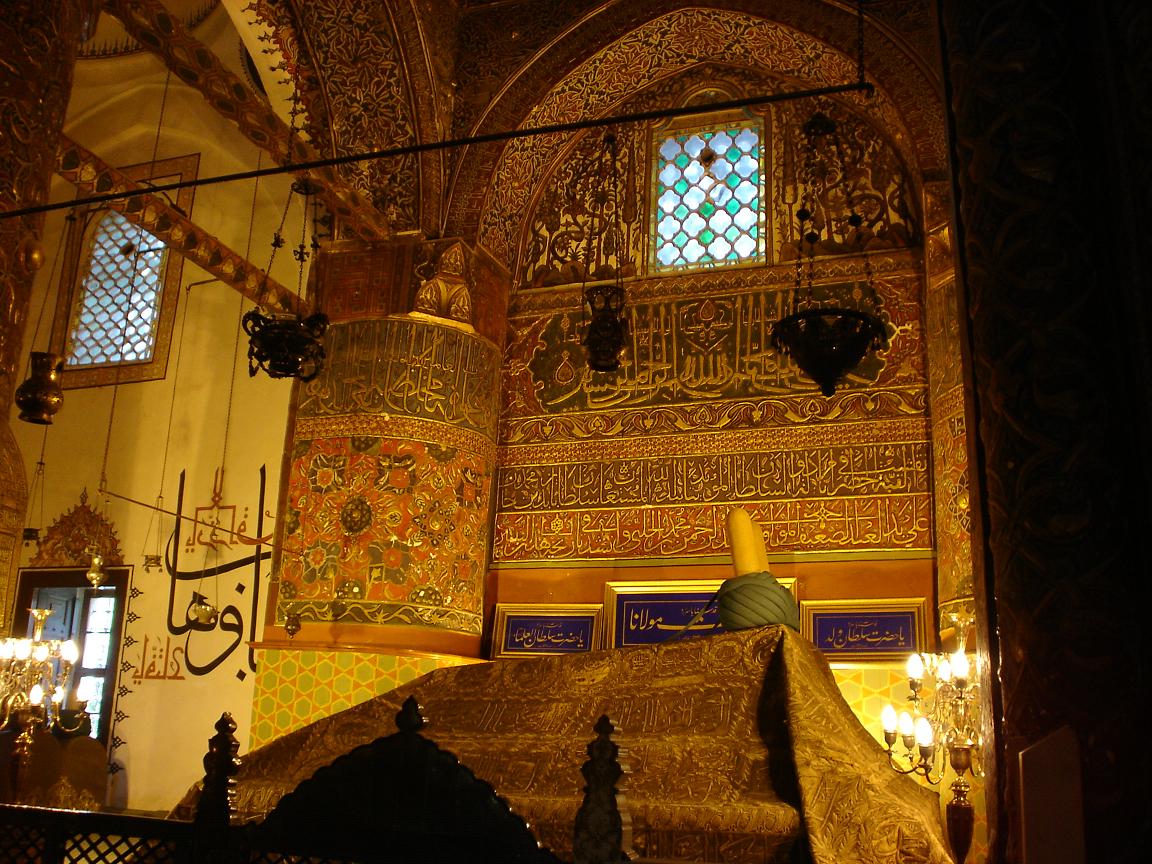
آرامگاه جلالالدین محمد مولوی در مجموعهٔ موزهٔ مولانا، قونیه، ترکیه. عکاس: ابوو؛ بارگذاری ۱۰ اوت ۲۰۰۶ در ویکیمدیا کامنز؛ مالکیت عمومی.
The tomb of Jalal al-Din Rumi at the Mevlana Museum complex, Konya, Türkiye. Photograph by Aboww; uploaded 10 August 2006 to Wikimedia Commons; public domain.
تاریخ کجا تمام میشود و رمان کجا آغاز میشود؟
Where does history end and the novel begin?
اعتراف نویسنده به جابهجایی زمان
مهمترین بخش مصاحبهٔ سال ۱۳۹۷ جایی است که پرسش از وفاداری تاریخی مطرح میشود. شکوهی میپذیرد برای منطق داستانی، بعضی تاریخها و دیدارها را تغییر داده و شخصیتهایی را به هم رسانده که در واقعیت تاریخی همزمان یا هممکان نبودهاند. نمونهای که خود او توضیح میدهد، نزدیککردن عمر سهروردی و شهابالدین یحیی سهروردی و نشاندن چند شخصیت در محضر ابنعربی است.
این توضیح قرارداد کتاب را روشن میکند. «رومی» در قالب رمان تاریخی نوشته شده است: نقاط شناختهشدهٔ زندگی مولانا را میگیرد، میان آنها صحنه، گفتوگو، انگیزه و پیوند عاطفی میسازد و گاه برای کشش روایت، زمان را فشرده یا جابهجا میکند. پژوهش دانشگاهی و چاپ انتقادی منابع قرن هفتم قواعد دیگری دارند؛ خواننده با شناخت این تفاوت میتواند آزادیهای روایی کتاب را دقیقتر بسنجد.
در همان مصاحبه، فرید مرادی یک تاریخ را هنگام گفتوگو اصلاح میکند و بارها از امکان سردرگمی مخاطب میان خیال و واقعیت میپرسد. این لحظهها کار ویراستاری را در برابر چشم خواننده قرار میدهند. کتاب تاریخیِ خوب نیز نیازمند انتخاب است و رمان آزادی بیشتری برای ساختن صحنه دارد. مسئولیت تحریریه روشنکردن دامنهٔ این آزادی است.
چه چیزهایی را میتوان از رمان آموخت؟
رمان میتواند مقیاس جغرافیایی سفر، فشار ناامنی و مهاجرت، فضای مدرسه و خانقاه، اختلاف نسلها و هزینهٔ روانی تغییر را برای خواننده محسوس کند. میتواند نشان دهد چرا دیدار شمس در ساختار یک زندگی اهمیت پیدا میکند. اما برای تاریخ دقیق یک دیدار، نسبت خانوادگی، انتساب یک گفته یا همزمانی دو متفکر، باید به پژوهشهای تاریخی و منابع تخصصی بازگشت.
بهترین شیوهٔ خواندن «رومی» دو مرحله دارد. نخست اجازه بدهیم داستان کار خود را انجام دهد و ما را در سفر و دگرگونی شخصیت شریک کند. سپس در نقاطی که اهمیت تاریخی دارند، آنچه خواندهایم را با دانشنامهٔ ایرانیکا، پژوهشهای معتبر دربارهٔ مولانا و ترجمههای انتقادی منابع مقایسه کنیم. این روش لذت داستان را حفظ میکند و مرز حقیقت ادبی و ادعای تاریخی را روشنتر نشان میدهد.
The author’s admission that chronology was altered
The most important passage in the 1397 interview arrives when historical fidelity is questioned. Shokouhi acknowledges changing dates and encounters for narrative purposes and bringing together figures who could not have met in the historical time or place. His own example concerns the treatment of Umar al-Suhrawardi and Shihab al-Din Yahya Suhrawardi, and the gathering of several figures around Ibn Arabi.
This disclosure establishes the novel’s contract. Rumi is historical fiction: it takes recognised points in the life, builds scenes, dialogue, motives and emotional continuities between them, and sometimes compresses or moves time to sustain the narrative. Academic biography and critical editions of thirteenth-century sources follow different rules; readers can assess the novel’s freedoms more accurately once that distinction is clear.
In the same interview, editor Farid Moradi corrects a date in real time and repeatedly asks how a general reader can distinguish invention from record. The exchange gives readers direct evidence of editing at work. Scholarly history also requires selection, while fiction has wider permission to construct a scene. Editorial responsibility lies in making that freedom visible.
What can the novel teach?
Fiction can make the scale of migration, the pressure of insecurity, the atmosphere of school and Sufi lodge, generational conflict and the psychological cost of transformation palpable. It can show why the meeting with Shams acquires such force within the design of a life. For the precise date of an encounter, a family relationship, the attribution of a saying or the contemporaneity of two thinkers, however, readers need historical scholarship and specialist sources.
The most productive reading proceeds in two stages. First, let the narrative perform its work and draw us into the journey and transformation. Then compare historically consequential passages with Encyclopaedia Iranica, responsible Rumi scholarship and critical treatments of early sources. The method preserves the pleasure of fiction while clarifying the difference between literary truth and a historical claim.
| ستون تاریخی | مکانهای اصلی، مسیر کلی خانواده، حضور شخصیتهای شناختهشده و نقاط مشهور زندگی مولانا. |
|---|---|
| بازسازی محتمل | فضای خانه و مدرسه، عاطفهٔ شخصیتها و جزئیات روزمرهای که سند مستقیم اندکی دارند. |
| اختیار داستانی | گفتوگوهای ساختهشده، فشردگی زمان و بعضی دیدارهایی که نویسنده خود به غیرتاریخیبودنشان اشاره کرده است. |
| روش خواندن | داستان را بهعنوان رمان بخوانید و ادعاهای دقیق تاریخی را با منبع تخصصی بسنجید. |
| Historical framework | Major locations, the family’s broad route, known figures and recognised turning points in Rumi’s life. |
|---|---|
| Plausible reconstruction | Domestic and educational atmosphere, emotional texture and ordinary detail for which direct evidence is thin. |
| Fictional licence | Invented dialogue, compressed time and some encounters that the author himself identifies as unhistorical. |
| Reading method | Read the story as a novel and check precise historical claims against specialist scholarship. |
«رومی» فارسی؛ رمانِ سفر و دگرگونی
Persian Rumi: a novel of journey and transformation

نسخهٔ فارسی موجود در الفبا
این چاپ فارسی نقطهٔ آغاز طبیعی برای خوانندهای است که میخواهد موسیقی جملهها، نامها و ارجاعهای ادبی را در زبان اصلی نویسنده تجربه کند. نسخهٔ موجود در الفبا ۵۷۶ صفحه دارد. تفاوت شمار صفحه با بعضی چاپهای قدیمیتر میتواند از تفاوت نوبت چاپ و صفحهآرایی بیاید؛ برای سفارش، مشخصات همین صفحهٔ محصول ملاک است. صفحهٔ عمومی محصول در زمان این بازبینی نوع صحافی را ثبت نکرده بود، بنابراین این مقاله دربارهٔ جنس جلد ادعایی نمیکند.
The Persian edition at AlefBa
This is the natural starting point for readers who want to experience Shokouhi’s sentence music, names and literary references in the language in which he first composed the novel. AlefBa’s current edition runs to 576 pages. Earlier printings may show a different pagination; the live product page identifies the edition supplied with an order. The public product record did not specify the binding when this review was completed, so no binding claim is made here.
جلد چاپ فارسی «رومی» در صفحهٔ محصول الفبا. تصویر محصول برای نمایش همین نسخه استفاده شده و تنها یک بار در این مقاله آمده است.
Cover of the Persian Rumi on AlefBa’s product page. The product image identifies this edition and appears only once in the article.
خواننده در این کتاب چه مسیری را طی میکند؟
رمان، جلالالدین را پیش از شکلگرفتن چهرهٔ مشهور مولانا نشان میدهد. او کودکی در جهانی ناآرام است و خانواده، آموزگاران، سفر و تغییر شهرها پیدرپی بر او اثر میگذارند. این انتخاب روایی به شخصیت زمان میدهد. خواننده پیش از رسیدن شمس، با ترس، انضباط، آموزش، ازدواج، مسئولیت و تجربهٔ فقدان روبهرو میشود.
سفر از بلخ به آناتولی ستون روایی کتاب است. هر جابهجایی افق فکری تازهای میسازد و شبکهای از عالمان، صوفیان، بازرگانان و حکومتهای محلی را وارد داستان میکند. فاصلهٔ طولانی میان مبدأ و قونیه نیز هویت فرهنگی چندلایهٔ مولانا را آشکار میسازد. زبان فارسی، خراسان تاریخی، بغداد، آناتولی و سنتهای فکری گوناگون در شکلگیری او سهم دارند.
شمس در نیمهٔ دوم مسیر نیرویی برهمزننده است. او اعتبار اجتماعیِ مدرس را به پرسش میگیرد و نظمی را که جلالالدین برای خود ساخته، ناپایدار میکند. رمان میکوشد نشان دهد این دگرگونی از هیچ پدید نمیآید؛ سالها سفر، یادگیری، سوگ و جستوجو زمینهٔ آن را آماده کردهاند. به همین علت عنوان پیشنهادی اولیهٔ نسخهٔ انگلیسی، «مولانا شدن»، وصف دقیقی از منطق روایی کتاب بود.
این چاپ برای چه کسی مناسب است؟
- خوانندهای که زندگی مولانا را در قالب رمان بلند و پیوسته میخواهد.
- کسی که میخواهد پیش از خواندن پژوهشهای تخصصی، نقشهای روایی از شخصیتها و شهرها به دست آورد.
- خوانندهٔ دوزبانهای که قصد دارد فارسی و انگلیسی را در دو چاپ مستقل مقایسه کند.
- علاقهمند به رمان تاریخی که آماده است میان سند و بازسازی ادبی تفاوت بگذارد.
What route does the reader follow?
The novel presents Jalal al-Din before the familiar image of the celebrated poet has formed. He is a child in an unstable world, shaped in succession by family, teachers, migration and changing cities. This design gives the character time. Before the arrival of Shams, readers encounter fear, discipline, education, marriage, responsibility and loss.
The journey from Balkh into Anatolia forms the novel’s narrative spine. Every move opens a new intellectual horizon and introduces networks of scholars, Sufis, merchants and local powers. The long distance between origin and Konya reveals the many layers of Rumi’s cultural identity. Persian language, historical Khorasan, Baghdad, Anatolia and several intellectual traditions all participate in his formation.
In the latter movement, Shams becomes a disruptive force. He questions the teacher’s social authority and destabilises the order Jalal al-Din has built around himself. The novel presents that change as prepared by years of travel, study, grief and searching. For that reason, the early proposed English title, Becoming Rumi, accurately described the book’s narrative logic.
Who is this edition for?
- Readers seeking a long, continuous fictional life of Rumi.
- Those who want a narrative map of characters and places before specialist study.
- Bilingual readers planning to compare the Persian and English editions as separate books.
- Historical-fiction readers prepared to distinguish evidence from literary reconstruction.
«رومی» انگلیسی؛ کتابی که اکنون در الفبا عرضه میشود
English Rumi: now available from AlefBa
از عنوان موقت «مولانا شدن» تا چاپ ۲۰۲۵
در پایان گفتوگوی سال ۱۳۹۷، شکوهی گفت مشغول ترجمهٔ انگلیسی رمان است و برای آن عنوان «مولانا شدن» را در نظر گرفته؛ عنوانی که به سیر تحولی شخصیت اشاره داشت. نسخهای که در سال ۲۰۲۵ وارد بازار شد با عنوان کوتاه «رومی» و زیرعنوانی دربارهٔ عارف و شاعر بزرگ ایرانی منتشر شده است. فاصلهٔ چندسالهٔ این دو مرحله، ترجمه و انتشار انگلیسی را به پروژهای مستقل با شناسنامهٔ چاپی جداگانه تبدیل کرد.
نام ویراستار نهایی، میزان تغییر ساختار فارسی و نتیجهٔ مقابلهٔ فصلبهفصل در منابع عمومی ثبت نشده است. این خلأ اجازهٔ ادعای «ترجمهٔ کامل و بیکموکاست» یا داوری قطعی دربارهٔ کیفیت ترجمه را نمیدهد. وجود چاپ انگلیسی، شابک، مشخصات فیزیکی، نام ناشر و مسیر طولانی از عنوان موقت تا کتاب منتشرشده، بخشهای قابلاثبات این پروندهاند.
اهمیت نسخهٔ انگلیسی در دسترسکردن یک برداشت ایرانی از زندگی مولانا برای خوانندهای است که فارسی نمیخواند. بازار انگلیسیزبان آثار فراوانی دربارهٔ مولانا دارد، اما بخش بزرگی از آن از ترجمههای گزیده، روایتهای معنویت عمومی یا داستانهایی میآید که پیوندشان با زبان فارسی دورتر است. رمان شکوهی از درون یک پروژهٔ فارسی آغاز شده و سپس به انگلیسی رسیده است؛ همین جهت حرکت، جایگاه آن را متمایز میکند.
From the working title Becoming Rumi to the 2025 edition
At the end of his 1397 interview, Shokouhi said that he was translating the novel into English under the title Becoming Rumi, a phrase tied directly to the character’s arc. The edition that entered the market in 2025 appeared under the shorter title Rumi, with a subtitle identifying the great Persian mystic and poet. Across that interval, translation and publication developed into a substantial project with its own edition and imprint data.
The public record leaves the final editor, the extent of structural change and any chapter-by-chapter collation undocumented. Those gaps rule out claims such as “complete and unabridged translation” and any unsupported judgement of translation quality. The published English edition, its ISBN and physical specifications, its imprint, and the long route from working title to finished book are all verifiable.
The English edition offers readers who do not read Persian an Iranian novelist’s interpretation of Rumi’s life. English-language readers already have many Rumi books, yet much of that market is built from selected translations, general-spirituality retellings or stories more distant from Persian literary language. Shokouhi’s project began in Persian and then moved outward into English, giving this edition a distinct position.

چاپ انگلیسی «رومی» در الفبا
نسخهٔ انگلیسیِ شومیز با شناسنامهٔ مستقلِ چاپ ۲۰۲۵ در الفبا عرضه شده است. مشخصات کتاب در ادامه آمده و جزئیات سفارش در صفحهٔ خرید نمایش داده میشود.
The English edition of Rumi at AlefBa
The English paperback is available from AlefBa as a separately documented 2025 edition. Its bibliographic details appear below, while order details are shown on the product page.
تصویر ترکیبیِ جلد واقعی «رومی» انگلیسی در صحنهای ساختهشده برای کتابفروشی الفبا. نوع رسانه: تصویرسازی تحریریهای محصول، بدون ادعای ثبت خبری یا مستند. طرح جلد و مشخصات کتاب از نسخهٔ عرضهشده به الفبا گرفته شدهاند.
An editorial composite placing the real cover of the English Rumi in a bookstore setting created for AlefBa. Media type: editorial product illustration, with no documentary or news claim. The cover design and bibliographic details come from the edition supplied to AlefBa.
| زبان و سال | چاپ فارسی در ۱۳۹۷ منتشر شد؛ چاپ انگلیسی مورد بررسی، چاپ نخست سال ۲۰۲۵ است. |
|---|---|
| ناشر | نسخهٔ فارسی: انتشارات نگاه. نسخهٔ انگلیسی: انتشارات الفابت در استرالیا. |
| اندازهٔ متن | چاپ فارسی موجود در الفبا ۵۷۶ صفحه و چاپ انگلیسی ۴۷۷ صفحه دارد. قطع، حروفچینی و ویرایش بر صفحهشماری اثر میگذارند؛ سنجش حذف محتوا به مقابلهٔ دو متن نیاز دارد. |
| مقایسهٔ ترجمه | بدون مقابلهٔ کامل دو متن، دربارهٔ برابری فصلها یا کیفیت ترجمه داوری قطعی نمیکنیم. |
| مسیر پیشنهادی | فارسی برای تجربهٔ نثر اصلی؛ انگلیسی برای خوانندهٔ غیرفارسیزبان یا مطالعهٔ دوزبانه. |
| Language and date | The Persian edition appeared in 2018–19; the English book examined here is a first edition dated 2025. |
|---|---|
| Publisher | Persian: Negah. English: Alphabet Publication House in Australia. |
| Extent | AlefBa’s Persian edition has 576 pages and the English edition has 477. Format, typesetting and editing affect pagination; assessing omissions requires a full collation. |
| Translation comparison | Without a complete collation, this article makes no definitive claim about chapter equivalence or translation quality. |
| Suggested route | Persian for Shokouhi’s original prose; English for non-Persian readers or a bilingual reading project. |
انتشارات الفابت؛ از نام تجاری تا ویترین کتاب
Alphabet Publication House: from registered name to book catalogue
یک فعالیت نشر که میتوان رد رسمی آن را دید
سامانهٔ رسمی ثبت کسبوکار استرالیا نشان میدهد نام «انتشارات الفابت» از ۱ مه ۲۰۲۴ و صورت دیگر همین نام از ۲۶ مه ۲۰۲۴ به رکورد فعال بهمن شکوهی افزوده شده است. این سند دولتی ارتباط حقوقی نام ناشر با نویسنده را تأیید میکند. اطلاعات مکانی یا نامهای تجاری نامرتبط در این پرونده منتشر نمیشوند، چون برای شناخت کتابها ضرورتی ندارند.
وبسایت ناشر مأموریت خود را انتشار آثاری معرفی میکند که تاریخ، فلسفه و روح انسانی را به هم پیوند میدهند. در صفحهٔ اصلی، «رومی» کتاب شاخص است و «رویای یک صوفی» نیز در مجموعهٔ آثار دیده میشود. زبان این ویترین با مسیر دو رمان هماهنگ است: هر دو شخصیت تاریخی را در لحظهای از بحران فکری یا دگرگونی شخصی دنبال میکنند.
بعضی جزئیات ویترین ناشر با نسخهٔ فیزیکیِ موجود در الفبا یکسان نیست. صفحهٔ اصلی ناشر برای «رومی» به قالبهای دیگری اشاره میکند، اما نسخهٔ موجود در الفبا شومیز است. به همین دلیل، مشخصات خرید در این مقاله از روی همان نسخهٔ فیزیکی و شابک آن ثبت شده است.
وجود وبسایت ناشر همچنین پاسخ روشنی به پرسش «وبسایت بهمن شکوهی چیست؟» میدهد: نشانی عمومی و تأییدپذیری که امروز آثار او را معرفی میکند، وبسایت انتشارات الفابت است. وبسایت شخصیِ جداگانه و کاملی که زندگینامه و کتابشناسی همهٔ آثار را ثبت کند، در پژوهش حاضر پیدا نشد.
A publishing activity with a public legal trail
Australia’s official business register shows one Alphabet publishing name attached to Bahman Shokouhi’s active record from 1 May 2024 and a second form from 26 May 2024. The government record establishes the legal connection between writer and imprint. Location data and unrelated historic trading names are omitted because they do not help readers understand the books.
The publisher’s website describes its purpose as publishing meaningful works that connect history, philosophy and the human spirit. Rumi is the featured title, and Rooyaye Yek Sufi also appears in the collection. The positioning matches the two novels: each follows a historical figure through intellectual crisis or personal transformation.
Some details on the publisher’s website do not match the physical edition held by AlefBa. The publisher’s homepage refers to other formats, while AlefBa’s copy is a paperback. This feature therefore records purchase specifications from the physical copy and its ISBN.
The site also answers a practical question about Shokouhi’s web presence. The verifiable public website currently presenting his work is the Alphabet Publication House site. This research did not locate a separate, comprehensive personal website containing a fully documented biography and bibliography.
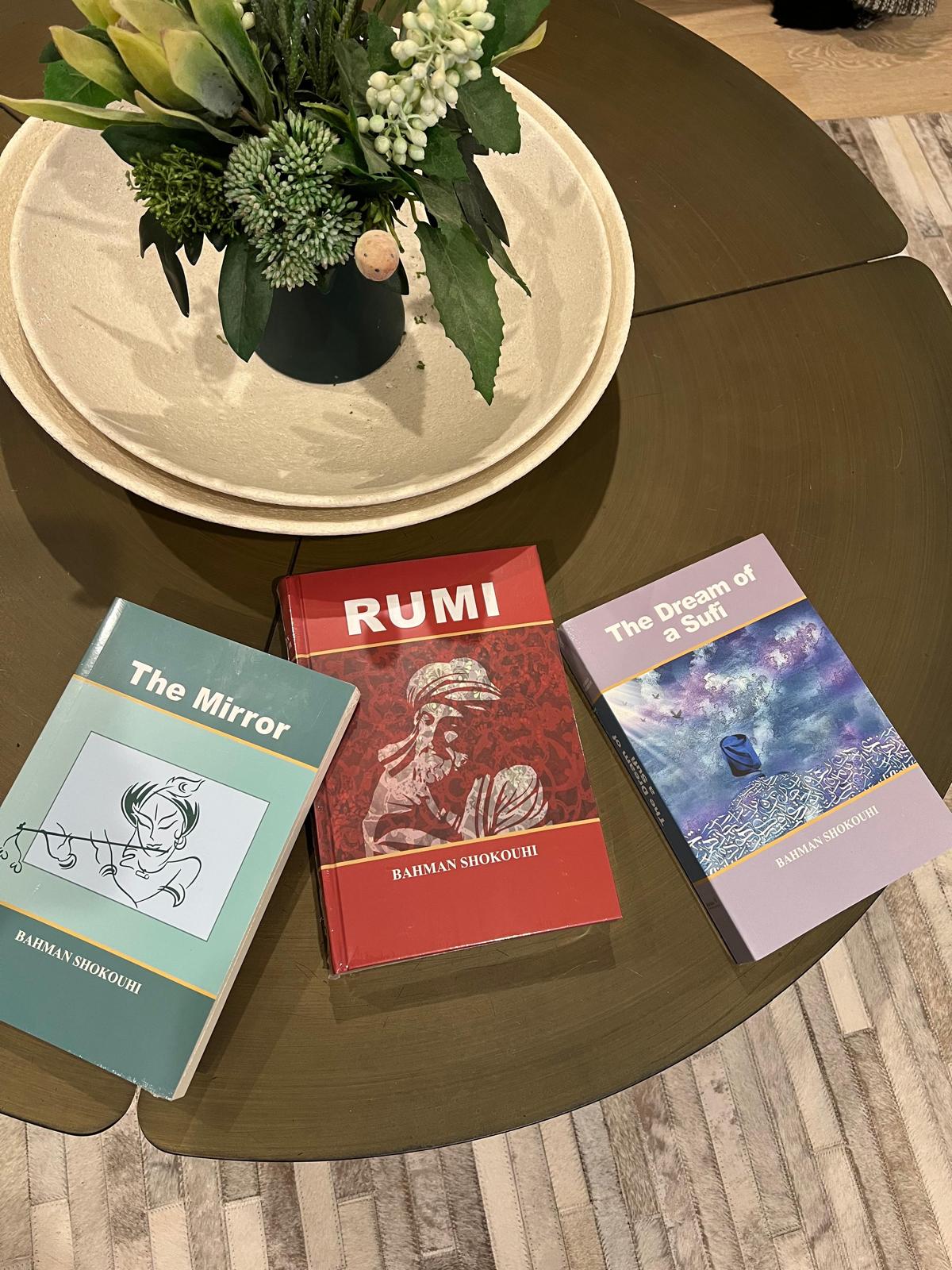
سه نسخهٔ فیزیکی انگلیسی با عنوانهای «رومی»، «آینه» و «رویای یک صوفی». عکس ارسالی نویسنده به الفبا، دریافتشده در ۸ اوت ۲۰۲۶؛ استفاده با اجازه.
Three physical English-language books titled Rumi, The Mirror and The Dream of a Sufi. Author-supplied to AlefBa, received 8 August 2026; used with permission.
سه کتاب انگلیسی؛ یک تصویر، سه سطح متفاوت از اطلاعات
عکس ارسالی وجود سه نسخهٔ چاپی را نشان میدهد: «رومی»، «آینه» و «رویای یک صوفی». از میان این سه، برای «رومی» شابک، سال چاپ، شمار صفحه و نوع جلد از منابع قابلبررسی تأیید شد.
برای «آینه» و نسخهٔ انگلیسی «رویای یک صوفی»، تصویر فیزیکی در دست است اما شابک، سال چاپ، شمار صفحه و نوع جلد از یک صفحهٔ شناسنامه یا فهرست رسمیِ قابلبررسی تأیید نشد. به همین دلیل این دو عنوان در مقاله معرفی شدهاند، اما پیوند خرید ندارند.
اگر شناسنامه یا فهرست رسمی این دو نسخه منتشر شود، مشخصات کتابشناختی این بخش بهروزرسانی خواهد شد.
Three English books, three different levels of catalogue evidence
The supplied photograph shows three physical titles: Rumi, The Mirror and The Dream of a Sufi. Of these, Rumi has an ISBN, publication year, pagination and format that could be confirmed from inspectable sources.
Physical copies of The Mirror and the English The Dream of a Sufi are visible, but their ISBNs, publication years, pagination and bindings could not be verified from an inspectable imprint page or official catalogue. They are therefore introduced here without purchase links.
This section will be updated if official catalogue or imprint records for those editions become available.
نیکوزیا ۲۰۲۵؛ رومی از رمان به گفتوگوی علمی میرود
Nicosia 2025: Rumi moves from novel into scholarly conversation
گفتوگوی درونی بر پایهٔ اندیشهٔ صوفیانه
دهمین همایش بینالمللی مولانا از ۳ تا ۵ دسامبر ۲۰۲۵ در نیکوزیا و با همکاری مرکز پژوهش مولانا در دانشگاه خاور نزدیک و مؤسسهٔ پژوهشهای ادبی و فلسفی مولانا در دانشگاه خزر برگزار شد. گزارش دانشگاه خزر میگوید پژوهشگران و هنرمندانی از دوازده کشور در برنامهای با موضوع صلح و آشتی از منظر مولانا شرکت کردند.
در نشست سوم روز دوم، بهمن شکوهی ارائهای دربارهٔ «گفتوگوی درونی بر پایهٔ اندیشهٔ صوفیانه» داشت. این عنوان با مسئلهای که در «رومی» دنبال میشود همخوان است: شخصیت چگونه صدای نقش اجتماعی، ترس، خواست فردی و جستوجوی معنوی را درون خود میشنود و میان آنها تصمیم میگیرد؟ گزارش دانشگاه حضور و موضوع ارائه را تأیید میکند. متن کامل مقاله یا ویدیوی رسمی آن در منابع بررسیشده در دسترس نبود و دامنهٔ این پرونده به همان اطلاعات منتشرشده محدود میماند.
اهمیت این حضور در پیوند فعالیت داستانی با فضای گفتوگوی بینالمللی است. همایش موضوعاتی از روانشناسی معنوی و کهنالگوهای یونگ تا صلح اجتماعی، معماری، شعر عربی مولانا و تأثیر او بر فرهنگهای دیگر را کنار هم گذاشت. نویسندهٔ رمان در چنین فضایی ناچار است با پرسشهایی روبهرو شود که فراتر از پیرنگاند: مولانا در جهان امروز چگونه خوانده میشود، کدام ترجمهها او را جابهجا میکنند و چه فاصلهای میان استفادهٔ درمانی، دینی، ادبی و سیاسی از میراث او وجود دارد؟
عکس ارسالی از محل همایش، شکوهی را در برابر بنر رسمی برنامه نشان میدهد و با تاریخ و عنوان رویداد همخوان است. دامنهٔ استناد این تصویر به حضور او در رویداد محدود است؛ جزئیات محتوای سخنرانی از گزارش رسمی و متن منتشرشده گرفته میشود.
Internal dialogue grounded in Sufi thought
The tenth International Rumi Conference was held in Nicosia from 3 to 5 December 2025, jointly organised by the Rumi Research Center at Near East University and the Mevlana Literary-Philosophical Research Institute at Khazar University. Khazar’s report says that researchers and artists from twelve countries joined a programme devoted to peace and reconciliation from Rumi’s perspective.
During the third session on the second day, Bahman Shokouhi presented on “internal dialogue based on Sufi thought.” The title aligns with a problem explored in Rumi: how a character hears the competing voices of social role, fear, private desire and spiritual searching, and how a decision emerges from that conflict. The university report verifies participation and topic. No full paper or authorised recording was located, so this feature remains within the information the organisers published.
The importance of the appearance lies in the meeting of fiction with international scholarly discussion. The conference placed spiritual psychology and Jungian archetypes beside social peace, architecture, Rumi’s Arabic poetry and his influence on other cultures. In such a setting, a novelist confronts questions beyond plot: how Rumi is read now, how translation relocates him, and how literary, religious, therapeutic and political uses of his legacy diverge.
The supplied conference photograph shows Shokouhi in front of the event’s official banner and is consistent with the date and title. Its evidentiary scope is attendance; the university report supplies the event details used here.

بهمن شکوهی در دهمین همایش بینالمللی مولانا، نیکوزیا، ۳ تا ۵ دسامبر ۲۰۲۵. عکس ارسالی نویسنده؛ دریافتشده در ۸ اوت ۲۰۲۶ و استفادهشده با اجازه. جزئیات رویداد با گزارش دانشگاه خزر تطبیق داده شده است.
Bahman Shokouhi at the tenth International Rumi Conference, Nicosia, 3–5 December 2025. Author-supplied, received 8 August 2026 and used with permission. Event details were checked against Khazar University’s report.
«رویای یک صوفی»؛ غزالی در کشاکش دانش، قدرت و یقین
A Sufi’s Dream: al-Ghazali between knowledge, power and certainty
رمان دومِ یک پروژهٔ فکری
اسبیاس فارسی در ۲۷ ژانویهٔ ۲۰۲۲ گفتوگویی هشتدقیقهای با بهمن شکوهی دربارهٔ «رویای یک صوفی» منتشر کرد. معرفی برنامه کتاب را رمانی دربارهٔ ابوحامد محمد غزالی میداند و محورهای آن را دین، سیاست، قدرت و اخلاق معرفی میکند. این چهار واژه قرارداد مناسبی برای خواندن اثر میسازند: غزالی با اعتبار علمی، نزدیکی به قدرت، تردید و میل به رهایی وارد روایت میشود و صورت انسانیِ یک نام تاریخی را پیدا میکند.
در زمان ضبط آن گفتوگو، اسبیاس از رسیدن «رومی» به چاپ هشتم خبر میداد. فاصلهٔ میان دو کتاب نشان میدهد شکوهی پس از مولانا به شخصیت تاریخی دیگری رفته که زندگیاش نیز با بحران درونی و تغییر مسیر شناخته میشود. با این حال، دو رمان یک الگو را تکرار نمیکنند. حرکت مولانا در «رومی» بر مهاجرت، آموزش، عشق و دیدار با شمس بنا شده است؛ بحران غزالی در «رویای یک صوفی» از درون جایگاه تثبیتشدهٔ یک مدرس مشهور و نسبت او با حقیقت و قدرت شکل میگیرد.
غزالی تاریخی و غزالیِ رمان
برای سنجش زمینهٔ تاریخی باید میان رخدادهای ثبتشده و صحنهپردازی داستان فرق گذاشت. غزالی در سدهٔ پنجم هجری در نظامیهٔ بغداد به اعتبار رسید، سپس تدریس را کنار گذاشت و دورهای از سفر و خلوت را گذراند. رمان میتواند ترس، تردید و گفتوگوی درونی این تصمیم را زنده کند؛ اما واژههای دقیق یک مکالمه، ترتیب بعضی برخوردها و انگیزههای خصوصی از جنس بازسازی ادبیاند مگر آنکه منبع تاریخی مشخصی پشت آنها باشد.
خیام در جهان سلجوقیِ این رمان یکی از چهرههای پیرامونی است؛ همان جهانی که ملکشاه، خواجه نظامالملک، حسن صباح و احمد غزالی نیز در آن حضور دارند. این حضور مسیر ورود به فصل بعدی را میسازد. محور «رویای یک صوفی» زندگی و بحران غزالی است و برای نسبتدادن کتاب مستقلی دربارهٔ خیام به شکوهی باید مدرک انتشار جداگانهای وجود داشته باشد؛ چنین مدرکی در منابع بررسیشده پیدا نشد.
این کتاب برای خوانندهای مناسب است که از بخش «شدن» در «رومی» لذت برده و اکنون میخواهد صورت دیگری از دگرگونی را ببیند: فردی در اوج اعتبار اجتماعی که نسبت خود را با دانشی که میآموزد و قدرتی که به او جایگاه داده دوباره میسنجد. خواندن پشتسرهم دو رمان، تفاوت نگاه شکوهی به دگرگونیِ شاعر و دگرگونیِ متکلم را آشکارتر میکند.
The second novel in an intellectual project
On 27 January 2022, SBS Persian published an eight-minute conversation with Bahman Shokouhi about A Sufi’s Dream. The programme introduces the novel as a work about Abu Hamid Muhammad al-Ghazali and names religion, politics, power and ethics as its central fields. Those four terms offer a useful reading contract: al-Ghazali enters the narrative through scholarly authority, proximity to power, doubt and the wish for release, acquiring a human presence beyond his name in intellectual history.
At the time of that recording, SBS reported that the Persian Rumi had reached its eighth printing. Shokouhi’s next historical subject was another figure whose life is remembered through internal crisis and a change of direction. The two novels use different structures. Rumi develops through migration, education, love and the encounter with Shams. The crisis in A Sufi’s Dream grows from within an already established teacher’s reputation and his relationship to truth and institutional power.
The historical al-Ghazali and the character in the novel
A responsible reading distinguishes recorded events from dramatized scenes. Al-Ghazali rose to prominence at the Nizamiyya in Baghdad, withdrew from teaching and passed through a period of travel and seclusion. Fiction can make the fear, doubt and inner argument of such a decision vivid. The exact words of a conversation, the sequence of some encounters and private motives remain literary reconstruction unless a historical source is identified.
Khayyam appears among the surrounding figures in the novel’s Seljuk world, alongside Malik-Shah, Nizam al-Mulk, Hassan-i Sabbah and Ahmad Ghazali. His presence leads into the next chapter of this feature. A Sufi’s Dream remains centred on al-Ghazali. Attributing a separate Khayyam book to Shokouhi would require independent publication evidence, which the inspected sources did not provide.
The book suits readers drawn to the process of becoming in Rumi who now want to observe another kind of transformation: a person at the height of social authority reassessing the knowledge he teaches and the power that granted his position. Reading the two novels together clarifies the difference between Shokouhi’s treatment of a poet’s transformation and a theologian’s crisis.
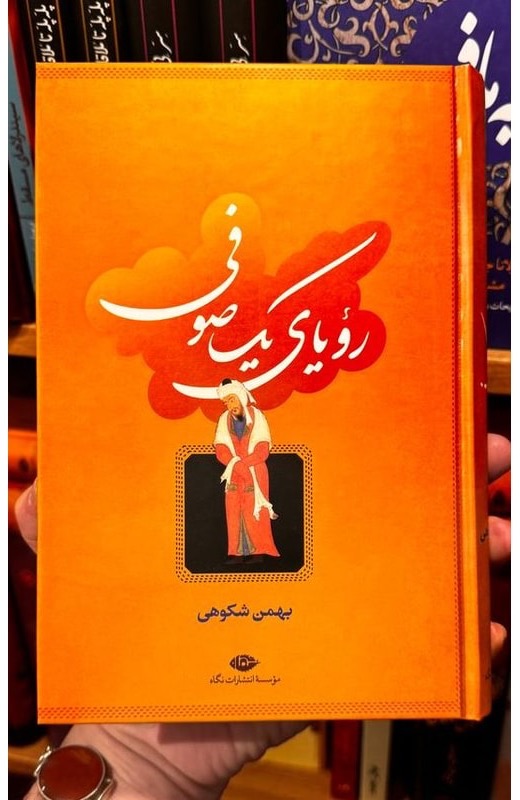
رویای یک صوفی
رمانی تاریخی دربارهٔ بحران فکری ابوحامد محمد غزالی و برخورد دین، سیاست، قدرت و اخلاق.
Rooyaye Yek Sufi
A Persian historical novel about Abu Hamid al-Ghazali’s intellectual crisis and the meeting of religion, politics, power and ethics.
تصویر جلد نسخهٔ موجود در فروشگاه الفبا، بررسیشده در ۱۴ اوت ۲۰۲۶. تصویر برای حذف حاشیهٔ سفید و نمایش در زمینهٔ یکپارچه آماده شده است؛ طرح جلد تغییر نکرده است.
Cover of the edition stocked by AlefBa, checked 14 August 2026. The image was prepared to remove white margins and sit within an edge-to-edge background. The original cover design remains unchanged.
گفتوگوی اسبیاس دربارهٔ «رویای یک صوفی»
این فایل رسمی با سکوت آغاز میشود و تنها با انتخاب شنونده پخش خواهد شد. مدت برنامه ۸ دقیقه و ۱۱ ثانیه است.
SBS interview about A Sufi’s Dream
This official recording begins paused and plays only when the listener chooses. Duration: 8 minutes 11 seconds.
خیام؛ آنچه پیدا شد و آنچه نباید به نویسنده نسبت داد
Khayyam: what the evidence shows and what should not be attributed
یک جستوجوی جداگانه برای ادعایی که هنوز سند ندارد
در پیامهای اولیهٔ این کمپین پرسیده شد آیا شکوهی کتابی انگلیسی دربارهٔ خیام منتشر کرده است. وبسایت ناشر، فهرست رسمی نسخهٔ انگلیسی «رومی»، دو گفتوگوی اسبیاس، مصاحبهٔ مفصل نشر نگاه، سابقهٔ رسمی کسبوکار، فهرستهای کتابشناختی و تصویر سه کتاب انگلیسی بررسی شد. در این مجموعه، مدرک قابل اتکایی برای کتابی از بهمن شکوهی دربارهٔ عمر خیام پیدا نشد.
در چنین وضعی، کتابشناسی بدون عنوان فرضی منتشر میشود. ممکن است اثری در دست آمادهسازی باشد یا نسخهای در کانالی محدود عرضه شده باشد؛ معرفی آن بهعنوان کتاب منتشرشده به جلد، صفحهٔ شناسنامه، شابک یا صفحهٔ رسمی ناشر نیاز دارد. اگر چنین مدرکی بعداً به الفبا برسد، این بخش با تاریخ و مشخصات دقیق بهروزرسانی میشود.
چرا خیام در این پرونده حضور دارد؟
خیام برای مقایسهٔ شیوههای جهانیشدن ادبیات فارسی مهم است. تصویر امروزِ مولانا در بسیاری از زبانها از ترجمه، بازنویسی و گزینش قطعات ساخته شده؛ شهرت رباعیات خیام در جهان انگلیسیزبان نیز تا اندازهٔ زیادی با ترجمهٔ آزاد ادوارد فیتزجرالد شکل گرفت. در هر دو مورد، ترجمه امکان خواندهشدن جهانی را گسترش داد و همزمان پرسشهایی دربارهٔ حذف زمینهٔ تاریخی، دینی و فلسفی پدید آورد.
دانشنامهٔ ایرانیکا خیام را دانشمند، ریاضیدان و شاعرِ منسوب به مجموعهای گسترده از رباعیات بررسی میکند و دربارهٔ مسئلهٔ انتساب هشدار میدهد. همهٔ رباعیاتی که طی قرنها زیر نام خیام گرد آمدهاند، اعتبار یکسان ندارند. از این رو نسخهٔ چندزبانه برای مقایسهٔ زبانها جذاب است، اما خواننده باید میان «ترجمهٔ یک رباعی» و «اثبات اینکه رباعی قطعاً از خیام است» فرق بگذارد.
نام شکوهی در شناسنامهٔ کتاب چهارزبانهٔ موجود در الفبا وجود ندارد و این عنوان بیرون از کتابشناسی او قرار میگیرد. جایگاه آن در این فصل، همراهِ مطالعاتی است: پلی برای خوانندهای که پس از دیدن حرکت «رومی» میان فارسی و انگلیسی میخواهد سرنوشت متن کلاسیک دیگری را در فارسی، انگلیسی، فرانسوی و عربی مقایسه کند.
A separate search for a claim that remains undocumented
An early question in this campaign asked whether Shokouhi had published an English book about Omar Khayyam. The publisher’s site, the official English Rumi listing, two SBS interviews, the substantial Negah interview, the government business record, bibliographic catalogues and the supplied photograph of three English books were checked. None provided reliable evidence of a Khayyam book written by Bahman Shokouhi.
A responsible bibliography omits hypothetical titles. A work may be in preparation or may have circulated through a limited channel; published status requires a cover, imprint page, ISBN or official publisher record. If such evidence later reaches AlefBa, this section can be updated with precise date and edition data.
Why does Khayyam appear in this dossier?
Khayyam provides a valuable comparison in the global movement of Persian literature. Modern images of Rumi in many languages have been formed through translation, retelling and selected excerpts. The English-language fame of Khayyam’s quatrains was likewise shaped to a remarkable degree by Edward FitzGerald’s free translation. In both cases, translation widened the audience while raising questions about lost historical, religious and philosophical context.
Encyclopaedia Iranica examines Khayyam as a scientist, mathematician and the putative author of a large body of quatrains, and draws attention to the problem of attribution. Poems accumulated under his name across centuries do not all carry the same evidentiary weight. A multilingual edition is rewarding for comparison, but translating a quatrain and proving that Khayyam wrote it are separate tasks.
Shokouhi receives no authorship attribution in the four-language volume sold by AlefBa, so the title sits outside his bibliography. Its role here is contextual reading: a bridge for readers who, after following Rumi between Persian and English, want to compare the afterlife of another classical text across Persian, English, French and Arabic.

آرامگاه عمر خیام در نیشابور، ایران. عکس از کاربر «آرمین»، ۲۵ آوریل ۲۰۱۰؛ منتشرشده در ویکیمدیا کامنز و از سوی عکاس به مالکیت عمومی واگذار شده است.
The Mausoleum of Omar Khayyam in Nishapur, Iran. Photograph by Wikimedia user Armin, 25 April 2010; released into the public domain by the photographer.

رباعیات خیام؛ نسخهٔ چهارزبانه
گزینهای برای مقایسهٔ یک متن کلاسیک در چهار زبان. این عنوان در کتابشناسی بهمن شکوهی قرار ندارد و فقط بهعنوان مطالعهٔ تکمیلی پیشنهاد میشود.
The Rubaiyat of Khayyam in four languages
A comparative edition of a classical text in four languages, presented solely as contextual reading and outside Bahman Shokouhi’s bibliography.
تصویر جلد کالای موجود در الفبا، بررسیشده در ۱۴ اوت ۲۰۲۶. معرفی این کتاب در فصل خیام انجام شده تا مرز میان اثر نویسنده و مطالعهٔ مرتبط روشن بماند.
Product-cover image from AlefBa, checked 14 August 2026. The book appears inside the Khayyam chapter so that Shokouhi’s own work remains distinct from related reading.
کتابشناسیِ مسئولانه؛ عنوان، نسخه و میزان اطمینان
A responsible bibliography: title, edition and confidence
آنچه منابع عمومی ثبت کردهاند
گفتوگوی ۲۰۱۹ اسبیاس «رومی» را چهارمین اثر شکوهی معرفی میکند و سه عنوان پیشین را با املایی که در همان صفحه آمده فهرست میکند: کتاب طنز «یک ترک تحصیل کرده»، مجموعهشعر «فاصله» و «مقولات اشعر در ایران». عنوان سوم در صفحهٔ اسبیاس نامأنوس ثبت شده و در منابع در دسترس نسخهٔ مستقلی برای تصحیح قطعی آن پیدا نشد؛ به همین دلیل همین صورت، با توضیح دربارهٔ منبع، حفظ شده است.
«رومی» فارسی در فهرستهای کتابشناختی با چاپهای متعدد ثبت شده و نسخهٔ معرفیشده در الفبا چاپ نشر نگاه با شابک مشخص است. «رویای یک صوفی» نیز در فهرستهای فارسی نسخهٔ قابلشناسایی دارد. عکس ارسالی نویسنده سه کتاب انگلیسی را نشان میدهد، اما در زمان این بررسی فقط برای «رومی» پروندهٔ کامل کتابشناختی پیدا شد.
یک فروشگاه عربی نیز اثری با عنوانی معادل «رویای صوفی» و نام نویسنده به صورت عربی ثبت کرده و شابک ارائه میدهد. این مدرک میتواند نشانهٔ وجود نسخهٔ عربی باشد، اما صفحهٔ رسمی ناشر و تصویر صفحهٔ شناسنامهٔ نسخه در دسترس این پژوهش نبود. در نتیجه جزئیات چاپ در سطح «نیازمند تأیید» باقی مانده است.
این طبقهبندی عمداً محافظهکارانه است. پیدا شدن نام یک عنوان در اینترنت، دیدن نسخهٔ فیزیکی در عکس و شناسایی دقیق همان ویرایش، سه سطح متفاوت از مدرکاند.
What public records actually document
The 2019 SBS interview calls Rumi Shokouhi’s fourth work and lists three earlier titles in the forms printed on that page: the satirical Yek Tork-e Tahsil-Kardeh, the poetry collection Faseleh, and a title rendered there as Maghoulat-e Ash’ar dar Iran. The third wording is unusual, and no independently inspectable edition was found that would justify silently correcting it. The SBS form is therefore retained with a source note.
Persian bibliographic catalogues document multiple printings of Rumi, while the edition introduced by AlefBa is a specific Negah edition with a verifiable ISBN. A Sufi’s Dream likewise has an identifiable Persian edition in catalogues. The supplied photograph shows three English books, but at the time of review only Rumi had a complete bibliographic record.
An Arabic bookseller also records a title equivalent to A Sufi’s Dream under an Arabic rendering of the author’s name and supplies an ISBN. This may document an Arabic edition, but no official publisher page or inspectable imprint page was available. Its publication details therefore remain pending verification.
The classification is deliberately conservative. A title appearing online, a physical book appearing in a photograph and identification of the exact edition are three distinct levels of evidence.
| عنوان یا نسخه | شاهد موجود | وضعیت در الفبا |
|---|---|---|
| «رومی» فارسی | شابک، ناشر، صفحهشماری، فهرست چاپهای متعدد و نسخهٔ فروشگاه | صفحهٔ خرید فعال |
| Rumi انگلیسی | شابک، چاپ نخست ۲۰۲۵، ۴۷۷ صفحه، نسخهٔ فیزیکی و فهرست ناشر | صفحهٔ خرید فعال |
| «رویای یک صوفی» فارسی | شابک، نشر نگاه، ۴۳۹ صفحه و نسخهٔ فروشگاه | صفحهٔ خرید فعال |
| The Dream of a Sufi انگلیسی | نسخهٔ فیزیکی در عکس ارسالی نویسنده | معرفی بدون پیوند خرید |
| The Mirror | نسخهٔ فیزیکی در عکس ارسالی نویسنده | معرفی بدون پیوند خرید |
| نسخهٔ عربیِ منسوب به «رویای یک صوفی» | رکورد فروشگاهی و شابک؛ بدون صفحهٔ رسمی ناشر در پرونده | معرفی بدون پیوند خرید |
| کتاب منسوب به شکوهی دربارهٔ خیام | سند انتشار پیدا نشد | به کتابشناسی افزوده نشده است |
| Title or edition | Available evidence | AlefBa status |
|---|---|---|
| Persian Rumi | ISBN, publisher, pagination, records of multiple printings and shop copy | Active product page |
| English Rumi | ISBN, 2025 first edition, 477 pages, physical copy and publisher listing | Active product page |
| Persian A Sufi’s Dream | ISBN, Negah imprint, 439 pages and shop copy | Active product page |
| English The Dream of a Sufi | Physical copy visible in the author-supplied photograph | Introduced without a purchase link |
| The Mirror | Physical copy visible in the author-supplied photograph | Introduced without a purchase link |
| Arabic edition attributed to A Sufi’s Dream | Retailer record and ISBN; no official publisher page in the file | Introduced without a purchase link |
| Shokouhi book about Khayyam | No publication evidence located | Not added to the bibliography |
صدای نویسنده و حضور عمومیِ قابل تأیید
The author’s voice and verifiable public channels
شنیدن روش نویسنده پیش از قضاوت دربارهٔ کتاب
مصاحبهٔ بلند نشر نگاه دقیقترین منبع برای فهم روش کار است، زیرا شکوهی در آن دربارهٔ منبع الهام، گسترش بخش شمس، سفر بیستوپنجسالهٔ روایت، ژانر عاشقانه و دستکاری آگاهانهٔ بعضی تاریخها سخن میگوید. دو برنامهٔ اسبیاس کوتاهترند اما تاریخ انتشار، معرفی کتاب و جایگاه نویسنده در جامعهٔ ایرانی استرالیا را ثبت میکنند.
صفحهٔ عمومی اینستاگرام نویسنده در زمان پژوهش در دسترس بود و پیوند مستقیم آن زیر همین بخش قرار دارد. تعداد دنبالکننده، عبارتهای متغیر شرححال و جزئیات شخصیِ تأییدنشده از پستها به زندگینامه منتقل نشدهاند. شبکهٔ اجتماعی برای دیدن اعلامهای تازه مناسب است؛ برای تثبیت تاریخ و شابک باید به ناشر، خود کتاب یا فهرست کتابشناختی بازگشت.
جستوجوی انجامشده کانال رسمی و قابلاحراز یوتیوب برای شکوهی پیدا نکرد. صفحه فقط رسانهای را پخش میکند که انتساب و حق استفادهٔ آن روشن باشد؛ در وضعیت فعلی، دو گفتوگوی رسمی اسبیاس این معیار را دارند. اگر ناشر یا نویسنده بعداً نشانی رسمی یوتیوب را تأیید کند، ویدیوی معتبر با شروع بیصدا و کنترل روشن صدا افزوده میشود.
Hearing the method before judging the book
The long Negah interview is the most informative source for Shokouhi’s method. He discusses the initial stimulus, the expansion of the Shams section, the narrative’s twenty-five-year journey, his use of the term romance and his deliberate alteration of some dates. The two SBS programmes are shorter, but they establish publication dates, introduce the books and locate the author within Australia’s Iranian community.
The author’s public Instagram account, under the handle shown below, was accessible during research. This article links to it but does not import follower counts, changing profile wording or unverified personal details into the biography. Social media is useful for new announcements; dates, ISBNs and edition claims should still be checked against the publisher, the physical book or a bibliographic catalogue.
The search located no official, verifiable YouTube channel for Shokouhi. This page plays media only when attribution and permission are clear; the two official SBS interviews currently meet that standard. If the author or publisher later confirms an official YouTube URL, an authorised video can be added with a silent start and an explicit sound control.
گفتوگوی اسبیاس دربارهٔ «رومی»
برنامهٔ رسمی ۳۱ اوت ۲۰۱۹، به مدت ۷ دقیقه و ۳۶ ثانیه. پخش خودکار غیرفعال است.
SBS interview about Rumi
Official programme dated 31 August 2019, duration 7 minutes 36 seconds. Autoplay is disabled.
از کدام کتاب آغاز کنیم؟ سه مسیر خواندن
Where should a reader begin? Three routes
مسیر مولانا و روایت
«رومی» فارسی را برای خواندن نثر اصلی شکوهی انتخاب کنید. پس از آن، بخشهای تاریخی مهم را با پژوهش تخصصی مولانا بسنجید و نسخهٔ انگلیسی را برای مقایسهٔ انتقال روایت بخوانید.
مسیر دگرگونی فکری
پس از «رومی»، «رویای یک صوفی» را بخوانید. کنار هم گذاشتن مولانا و غزالی نشان میدهد نویسنده بحران و تغییر را در دو جایگاه اجتماعی متفاوت چگونه میسازد.
مسیر ترجمه و ادبیات کلاسیک
نسخهٔ انگلیسی «رومی» را با متن فارسی مقایسه کنید و سپس به رباعیات چهارزبانهٔ خیام بروید تا فرصتها و دشواریهای جابهجایی یک متن کلاسیک میان زبانها را ببینید.
Rumi and narrative
Choose the Persian Rumi for Shokouhi’s original prose. Check historically consequential passages against Rumi scholarship, then use the English edition to compare how the narrative travels.
Intellectual transformation
Read A Sufi’s Dream after Rumi. Placing Rumi beside al-Ghazali reveals how Shokouhi constructs crisis and change in two different social positions.
Translation and the classics
Compare the English Rumi with the Persian novel, then move to the four-language Khayyam to observe the possibilities and problems of moving a classical text between languages.
پرسشهای رایج دربارهٔ بهمن شکوهی و کتابهایش
Frequently asked questions about Bahman Shokouhi and his books
بهمن شکوهی کیست؟
منابع اسبیاس او را نویسنده و شاعر ایرانیـاسترالیایی ساکن سیدنی معرفی میکنند. اطلاعات عمومیِ معتبر دربارهٔ سال تولد، محل دقیق تولد، پدر و مادر و جزئیات کودکی پیدا نشد؛ مقاله این خلأ را با حدس پر نکرده است.
آیا «رومی» زندگینامهٔ مستند مولاناست؟
کتاب در ردهٔ رمان تاریخی قرار میگیرد. شکوهی در مصاحبهٔ سال ۱۳۹۷ توضیح میدهد که برای نیاز داستان، بعضی زمانها و دیدارها را تغییر داده است. طرح کلی زندگی و سفر از تاریخ میآید و صحنهها و گفتوگوها در قلمرو داستان ساخته میشوند.
نسخهٔ انگلیسی ترجمهٔ همان کتاب فارسی است؟
ریشهٔ روایی مشترک است و طرح نسخهٔ انگلیسی از پروژهای با عنوان کاری «شدنِ رومی» شکل گرفت. با این حال، عبارت «ترجمهٔ کلمهبهکلمه» در منابع بررسیشده تأیید نشد. نسخهٔ انگلیسی باید بهعنوان ویرایش چاپی مستقل سال ۲۰۲۵ با شناسنامهٔ خودش معرفی شود.
مشخصات «رومی» انگلیسی چیست؟
چاپ نخست ۲۰۲۵، شومیز، ۴۷۷ صفحه، زبان انگلیسی و شابک ۹۷۸۱۷۶۳۶۵۸۳۰۱. نسخهٔ الفبا ۲۳ در ۱۶ در ۳ سانتیمتر و حدود ۶۰۰ گرم ثبت شده است.
«رویای یک صوفی» دربارهٔ چه کسی است؟
رمان دربارهٔ ابوحامد محمد غزالی است و دین، سیاست، قدرت و اخلاق را در مسیر بحران و تغییر او دنبال میکند. نسخهٔ فارسیِ نشر نگاه در الفبا موجود است.
آیا بهمن شکوهی دربارهٔ خیام کتاب نوشته است؟
در منابع و نسخههای بررسیشده مدرک قابل اتکایی برای چنین کتابی پیدا نشد. نام شکوهی در شناسنامهٔ کتاب چهارزبانهٔ خیامِ معرفیشده در این مقاله وجود ندارد؛ آن کتاب مطالعهای مرتبط با مسئلهٔ ترجمه است.
آیا «آینه» و «رویای یک صوفی» انگلیسی صفحهٔ خرید دارند؟
نسخههای فیزیکی در عکس ارسالی نویسنده دیده میشوند، اما شابک، صفحهشماری و نوع جلد آنها از یک منبع رسمیِ قابلبررسی تأیید نشد. در زمان انتشار این مقاله، برای این دو نسخه پیوند خریدی درج نشده است.
وبسایت و اینستاگرام رسمی کداماند؟
وبسایت عمومی تأییدپذیر، وبسایت انتشارات الفابت است. پیوند مستقیم صفحهٔ عمومی اینستاگرام نویسنده نیز در فصل رسانهها آمده است. کانال رسمی و قابلاحراز یوتیوب در این پژوهش پیدا نشد.
Who is Bahman Shokouhi?
SBS sources describe him as an Iranian-Australian writer and poet based in Sydney. Reliable public records for his year and exact place of birth, parents and childhood were not located. Those gaps remain explicitly marked and free of speculation.
Is Rumi a documentary biography?
The book belongs to historical fiction. In the 1397 interview, Shokouhi explains that he changed some dates and encounters for narrative reasons. The broad life and journey come from history, while scenes and dialogue are shaped as fiction.
Is the English edition a translation of the same Persian book?
The narrative project has a shared origin, and the English version grew from work once described under the title Becoming Rumi. The inspected sources do not establish a word-for-word translation. The 2025 English publication should be treated as an edition with its own imprint data.
What are the English Rumi specifications?
First edition 2025, paperback, 477 pages, English language and ISBN 9781763658301. AlefBa records the copy as 23 by 16 by 3 centimetres and approximately 600 grams.
Who is A Sufi’s Dream about?
The novel concerns Abu Hamid Muhammad al-Ghazali and follows religion, politics, power and ethics through his crisis and change. AlefBa stocks the Persian Negah edition.
Did Shokouhi publish a book about Khayyam?
No reliable publication evidence was located in the sources and editions checked. Shokouhi receives no authorship attribution in the four-language Khayyam introduced here; that volume is related reading on translation.
Do The Mirror and the English The Dream of a Sufi have purchase pages?
Physical copies appear in the author-supplied photograph, but their ISBNs, pagination and bindings could not be confirmed from an inspectable official source. No purchase link was included for either edition when this article was published.
Which website and Instagram account are public?
The verifiable public website is Alphabet Publication House. The author’s public Instagram account is linked in this dossier. No official and verifiable YouTube channel was found during research.
منابع، روش و تاریخ بررسی
Sources, method and verification date
منابع دستاول و نهادی
- ثبت رسمی کسبوکار استرالیا؛ پیوند نام بهمن شکوهی با نامهای تجاری انتشارات الفابت و تاریخ آغاز آنها.
- وبسایت انتشارات الفابت؛ معرفی هدف ناشر و آثار انگلیسیِ نمایشدادهشده.
- گزارش دانشگاه خزر از دهمین همایش بینالمللی مولانا؛ تاریخ، محل، کشورهای شرکتکننده و عنوان ارائهٔ شکوهی.
- صفحهٔ دانشگاه خاور نزدیک برای رویداد مولانا؛ زمینهٔ سازمانی همایش.
گفتوگوها و گزارشهای تحریریهای
- گفتوگوی مفصل دربارهٔ ساخت «رومی»؛ منشأ طرح، ساختار سفر، شمس، بایزید، مرز تاریخ و داستان و عنوان کاری نسخهٔ انگلیسی.
- اسبیاس فارسی، گفتوگو دربارهٔ «رومی»، ۳۱ اوت ۲۰۱۹؛ معرفی نویسنده، آثار پیشین و وضعیت انتشار فارسی.
- اسبیاس فارسی، گفتوگو دربارهٔ «رویای یک صوفی»، ۲۷ ژانویهٔ ۲۰۲۲؛ موضوع کتاب و خبر چاپ هشتم «رومی» در آن زمان.
منابع مرجع و کتابشناختی
- دانشنامهٔ ایرانیکا؛ آموزهها و زمینهٔ تاریخی مولانا.
- دانشنامهٔ ایرانیکا؛ پروندهٔ عمر خیام و بحث انتساب رباعیات.
- فهرست نویسنده در طاقچه و فهرستهای چاپیِ قابل جستوجو؛ برای تطبیق عنوانها و تاریخچهٔ چاپ، نه برای ادعاهای شخصی.
منابع فروشگاه و رسانه
صفحههای عمومی کتابهای الفبا در ۱۴ اوت ۲۰۲۶ دوباره خوانده شد. سه عکسِ بهمن شکوهی و کتابهای انگلیسی با اجازهٔ مستقیم نویسنده برای این پرونده استفاده شدهاند. عکسهای آرامگاه مولانا و خیام از پروندههای مالکیت عمومی ویکیمدیا کامنز آمدهاند. تصویر شاخص، ترکیب تحریریهای ساختهشده برای این کمپین است و ماهیت آن تصویرسازی تحریریهای است.
Primary and institutional sources
- Australian Business Register, linking Bahman Shokouhi to the Alphabet publishing business names and their commencement dates.
- Alphabet Publication House, for the imprint’s stated purpose and displayed English books.
- Khazar University’s report on the tenth International Rumi Conference, for date, place, participating countries and Shokouhi’s presentation title.
- Near East University’s event page, for the conference’s institutional context.
Interviews and editorial reporting
- The long interview on the making of Rumi, for the origin, journey structure, Shams, Bayazid, historical licence and the English working title.
- SBS Persian interview about Rumi, 31 August 2019, for the author introduction, earlier works and Persian publication status.
- SBS Persian interview about A Sufi’s Dream, 27 January 2022, for the book’s subject and the reported eighth Persian printing of Rumi at that time.
Reference and bibliographic sources
- Encyclopaedia Iranica on Rumi’s teachings and historical context.
- Encyclopaedia Iranica’s Omar Khayyam dossier, including the attribution problem.
- Taaghche’s author catalogue and searchable print catalogues, used to check titles and printing history. They were not used for personal biography.
Shop and media records
AlefBa’s public book pages were read again on 14 August 2026. Three photographs of Bahman Shokouhi and the English books are used with the author’s direct permission for this feature. The Rumi and Khayyam mausoleum photographs come from public-domain Wikimedia Commons files. The featured image is an editorial composite created for this campaign; its media type is editorial illustration.
یادداشت تحریریه: پژوهش در ۱۴ اوت ۲۰۲۶ بسته شد. اگر نویسنده یا ناشر سند تازهای دربارهٔ زندگینامه، نسخههای انگلیسی «آینه» و «رویای یک صوفی» یا اثر مرتبط با خیام ارائه کند، الفبا پس از بررسی منبع، مشخصات مقاله را اصلاح خواهد کرد.
Editorial note: Research closed on 14 August 2026. If the author or publisher supplies new evidence about biography, the English editions of The Mirror and The Dream of a Sufi, or a Khayyam-related work, AlefBa will update the article after checking the source.
نظر، اصلاح و تکمیل محتوا
اصلاح اطلاعات یا ارسال نظر درباره این صفحه
اصلاح اطلاعات یا ارسال نظر درباره ««رومی» بهمن شکوهی؛ نسخهٔ فارسی، رمان انگلیسی و مسیر خواندن تا خیام»
اگر درباره مشخصات، تاریخها، نامها، منابع یا محتوای این صفحه اصلاح مستندی دارید، لطفاً پیام خود و منبع اطلاعات را ارسال کنید. پیامها پیش از اعمال تغییر بررسی میشوند.
If you have a documented correction, reliable source or additional information about this page, please send it below. All submissions are reviewed before any changes are made.