

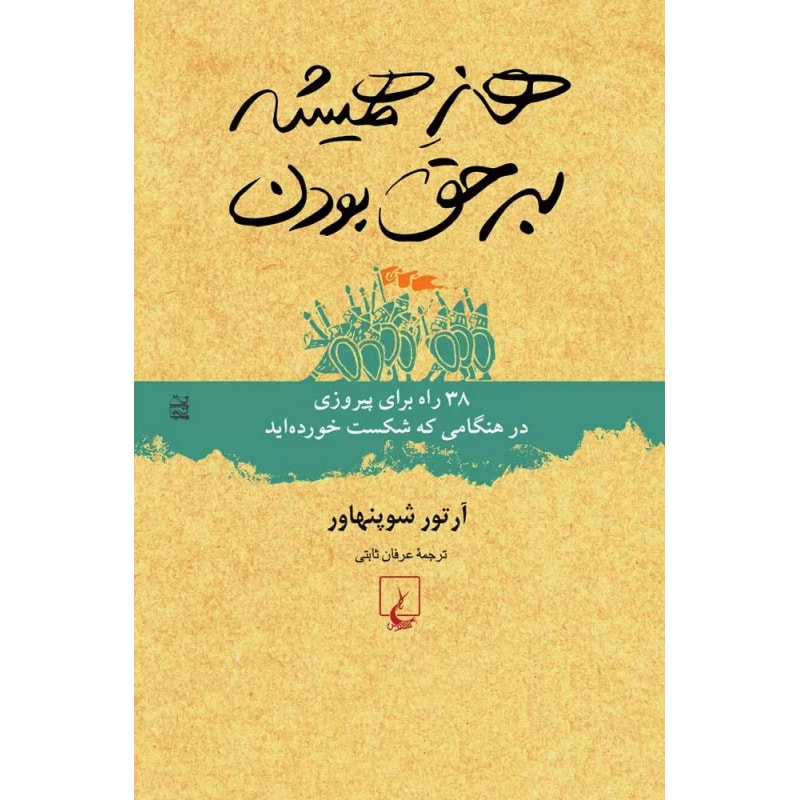


هنر همیشه بر حق بودن
The Art of Always Being Right
$ 8,95
«هنر همیشه بر حق بودن» اثر آرتور شوپنهاور (Arthur Schopenhauer)، ترجمهٔ عرفان ثابتی (Erfan Sabeti)، با مقدمهٔ ای. سی. گریلینگ (A. C. Grayling) و نشر ققنوس، رسالهای دربارهٔ جدل اریستیک و سیوهشت شگردی است که برای پیروز جلوهکردن در بحث به کار میروند. کتاب را میتوان هم تحلیلی از روشهای فریب در استدلال و هم ابزاری برای شناخت و دفع آنها خواند؛ نه وعدهای برای پیروزی قطعی در هر گفتوگو.
The Art of Always Being Right by Arthur Schopenhauer, translated into Persian by Erfan Sabeti, with an introduction by A. C. Grayling, and published by Qoqnoos Publishing Group, examines eristic dialectic and thirty-eight stratagems used to appear victorious in argument. It can be read both as an analysis of argumentative deception and as a tool for recognising and resisting it, not as a promise of guaranteed victory in every discussion.
موجود
معرفی کتاب هنر همیشه بر حق بودن
«هنر همیشه بر حق بودن» اثر آرتور شوپنهاور (Arthur Schopenhauer)، با ترجمهٔ فارسی عرفان ثابتی (Erfan Sabeti)، مقدمهٔ ای. سی. گریلینگ (A. C. Grayling) و انتشار گروه انتشاراتی ققنوس است. عنوان انگلیسی شناختهشدهٔ اثر The Art of Always Being Right و عنوان آلمانی آن Eristische Dialektik oder Die Kunst, Recht zu behalten است. زیرعنوان روی این ویرایش فارسی، «۳۸ راه برای پیروزی در هنگامی که شکست خوردهاید»، دامنهٔ عملی کتاب را به سیوهشت راه یا شگرد پیوند میدهد.
این متن کوتاه دربارهٔ «جدل اریستیک» است: شیوههایی که هدفشان پیروز جلوهکردن در یک مناقشه است، حتی وقتی درستی عینی یک ادعا ثابت نشده باشد. از همین رو کتاب بیش از آنکه یک درسنامهٔ معمول منطق باشد، رفتار استدلالی انسان را در لحظهای بررسی میکند که میل به بردن جای جستوجوی حقیقت را میگیرد.
سیوهشت شگرد برای بردن بحث
شگردهای کتاب یک جنس واحد ندارند و نباید همهٔ آنها را «مغالطههای صوری» نامید. بعضی به شکل استدلال مربوطاند، بعضی از ابهام زبان استفاده میکنند و برخی بر واکنش روانیِ حریف یا داوری مخاطبان تکیه دارند. گستردهکردن ادعای طرف مقابل، پنهانکردن مقدمهها، تغییر موضوع، برانگیختن خشم، توسل به مرجع یا جمع، و حمله به شخص از خانوادههای قابلشناسایی این تاکتیکها هستند.
چیدمان شمارهدار کتاب به خواننده امکان میدهد هر شگرد را جداگانه ببیند، اما ارزش واقعی آن در تشخیص ترکیب چند تاکتیک در یک گفتوگوی واقعی است. یک بحث ممکن است با ابهام آغاز شود، با تغییر موضوع ادامه یابد و سرانجام به حملهٔ شخصی برسد؛ در چنین وضعی، شناخت سازوکار بحث از حفظکردن شمارهها مهمتر است.
حقیقت با پیروزی یکی نیست
تمایز محوری متن میان «حق داشتن» و «برنده به نظر رسیدن» است. استدلالی میتواند از نظر منطقی ضعیف باشد و بااینحال برای جمع قانعکننده جلوه کند؛ برعکس، کسی که موضع درستتری دارد ممکن است به دلیل بیان نامنظم، فشار جمع یا تاکتیکهای طرف مقابل شکستخورده به نظر برسد. کتاب این فاصله میان اعتبار استدلال و اثرگذاری در گفتوگو را آشکار میکند.
بنابراین عنوان تحریکآمیز کتاب نباید وعدهٔ پیروزی قطعی در هر گفتوگو تلقی شود. متن نه ثابت میکند کسی همیشه بر حق است و نه بهتنهایی تضمین میکند خواننده همیشه برنده شود. موضوع آن بررسی ابزارهای جدل است؛ سنجش حقیقت همچنان به شواهد، تعریفهای روشن و استدلال معتبر نیاز دارد.
خواندن انتقادی و کاربرد دفاعی
میتوان کتاب را از دو زاویه خواند: بهعنوان فهرستی تند و تحریکآمیز از روشهای غلبه در بحث، یا بهعنوان ابزاری برای تشخیص و دفع فریبهای استدلالی. پژوهشهای جدیدتر بر زمینهٔ گستردهتر نوشتههای منطقی و درسگفتارهای مؤلف تأکید میکنند و خوانش سادهٔ «راهنمای فریب» را ناکافی میدانند.
این ابهام بخشی از جذابیت اثر است. خواننده لازم نیست هر شگرد را توصیهای اخلاقی بداند؛ میتواند بپرسد یک تاکتیک کجا حقیقت را پنهان میکند، چه زمانی گفتوگو را از موضوع اصلی دور میسازد و با چه پرسش آرام و دقیقی میتوان آن را خنثی کرد. چنین خوانشی برای تحلیل مناظره، جلسهٔ کاری و گفتوگوی آنلاین مفیدتر از تقلید بیچونوچرای شگردهاست.
تاریخ دستنویس و انتشار پس از مرگ
این اثر یک کتاب کاملشده و منتشرشده در سال ۱۸۳۰ نیست. پژوهش کتابشناختی آن را قطعهای ناتمام دربارهٔ جدل اریستیک میداند که حدود ۱۸۳۰ شکل گرفت و دستنویس آن به سال ۱۸۳۱ نسبت داده میشود. متن کامل در زمان زندگی مؤلف منتشر نشد و نخستینبار در ۱۸۶۴، چهار سال پس از مرگ او، به زبان آلمانی انتشار یافت.
ترجمهٔ انگلیسی زودهنگام اثر در ۱۸۹۶ منتشر شد و عنوانهای انگلیسی متفاوتی در تاریخ نشر آن بهکار رفتهاند. در این صفحه، The Art of Always Being Right عنوان انگلیسی بازار برای همین محصول است؛ سالهای ۱۸۳۱، ۱۸۶۴ و ۱۸۹۶ به تاریخ متن و ترجمههای قدیمی مربوطاند، نه به سال چاپ نسخهٔ فارسی موجود در انبار.
نسخهٔ فارسی نشر ققنوس
کالای حاضر نسخهٔ فارسی گروه انتشاراتی ققنوس با شابک 9789643116354، قطع رقعی و جلد شومیز است. رکورد فعلی الفبا ۱۳۶ صفحه ثبت کرده و رکورد الکترونیکی همین عنوان نیز ۱۳۶ صفحه نشان میدهد، اما منابع کتابشناختی چاپهای مرتبط اعداد ۱۳۴ و ۱۳۶ را ثبت کردهاند.
به همین دلیل، تعداد صفحه، نوبت و سال چاپ تا بررسی شناسنامهٔ همان نسخهٔ فیزیکی بهعنوان مشخصات قطعی ثبت نمیشوند. شناسنامهٔ نسخهای که برای مشتری ارسال میشود مرجع نهایی جزئیات چاپ است.
این کتاب برای چه خوانندهای مناسب است؟
«هنر همیشه بر حق بودن» برای خوانندگان فلسفه، منطق، بلاغت، تفکر نقاد و تحلیل گفتوگو مناسب است. دانشجویان و خوانندگانی که میخواهند تفاوت میان استدلال معتبر و اقناع ظاهری را بهتر ببینند، میتوانند مثالهای کتاب را با مناظرههای عمومی، شبکههای اجتماعی و گفتوگوهای روزمره مقایسه کنند.
این اثر جایگزین آموزش جامع منطق یا داوری مبتنی بر شواهد نیست. بهترین استفاده از آن، شناخت زودهنگام تاکتیکهای منحرفکننده، بازگرداندن بحث به ادعای اصلی و حفظ مرز میان دفاع از موضع و تحریف حقیقت است.
مشخصات کتاب | Book Details
| عنوان دقیق بازار / Exact Persian Market Title | هنر همیشه بر حق بودن |
|---|---|
| عنوان انگلیسی / English Market Title | The Art of Always Being Right |
| زیرعنوان نسخهٔ فارسی / Persian Edition Subtitle | ۳۸ راه برای پیروزی در هنگامی که شکست خوردهاید / Thirty-Eight Ways to Win When You Are Defeated |
| عنوان آلمانی اثر / German Work Title | Eristische Dialektik oder Die Kunst, Recht zu behalten |
| نویسنده / Author | آرتور شوپنهاور (Arthur Schopenhauer) |
| مترجم فارسی / Persian Translator | عرفان ثابتی (Erfan Sabeti) |
| نویسندهٔ مقدمه / Introduction by | ای. سی. گریلینگ (A. C. Grayling) |
| ناشر نسخهٔ فارسی / Persian Publisher | گروه انتشاراتی ققنوس / Qoqnoos Publishing Group |
| شابک / ISBN | 9789643116354 |
| تعداد صفحهٔ رکورد فعلی / Current AlefBa Record | ۱۳۶ صفحه؛ شناسنامهٔ نسخهٔ ارسالی مرجع نهایی است / 136 pages; the supplied copy’s colophon is authoritative |
| قطع و جلد / Format & Binding | رقعی، شومیز / Roqei, paperback |
| زبان نسخه / Edition Language | فارسی / Persian |
| زبان اصلی اثر / Original Language | آلمانی / German |
| تاریخ متن / Text History | دستنویس ناتمام ۱۸۳۱؛ انتشار آلمانی پس از مرگ در ۱۸۶۴ / unfinished 1831 manuscript; posthumous German publication in 1864 |
| نوبت و سال چاپ نسخهٔ موجود / Stock-copy Printing | تأییدنشده؛ شناسنامهٔ نسخهٔ فیزیکی لازم است / unverified; the physical copy’s colophon must be checked |
| موضوع / Subjects | فلسفه، منطق، جدل اریستیک، بلاغت، مغالطه و تفکر نقاد / philosophy, logic, eristic dialectic, rhetoric, fallacies and critical thinking |
About The Art of Always Being Right
The Art of Always Being Right is a work by Arthur Schopenhauer, translated into Persian by Erfan Sabeti, with an introduction by A. C. Grayling, and published by Qoqnoos Publishing Group. Its German title is Eristische Dialektik oder Die Kunst, Recht zu behalten. The Persian edition’s subtitle, “Thirty-Eight Ways to Win When You Are Defeated,” connects its practical scope to thirty-eight ways or stratagems.
This concise text concerns eristic dialectic: methods designed to make someone appear victorious in a dispute even when the objective truth of a claim has not been established. Rather than function as a conventional logic textbook, it examines argumentative behaviour at the moment when the desire to win displaces the search for truth.
Thirty-eight stratagems for winning an argument
The stratagems are not all of one kind and should not all be labelled formal logical fallacies. Some concern argumentative form, some exploit linguistic ambiguity and others depend on an opponent’s psychological response or an audience’s judgement. Broadening an opponent’s claim, concealing premises, diverting the subject, provoking anger, appealing to authority or the crowd, and attacking the person are among the recognisable families of tactics.
The numbered arrangement lets readers examine each stratagem separately, but its greater value lies in recognising several tactics working together in a real exchange. A dispute may begin with ambiguity, move through diversion and end in a personal attack; in such a case, understanding the mechanism matters more than memorising numbers.
Truth is not the same as victory
The text’s central distinction is between being right and appearing to win. A logically weak argument can still persuade an audience, while a person with the stronger position can appear defeated because of disorganised expression, group pressure or an opponent’s tactics. The book exposes this distance between argumentative validity and conversational effect.
Its provocative title should therefore not be read as a promise of guaranteed victory in every conversation. The work neither proves that someone is always right nor ensures that its reader will always win. It studies the instruments of controversy; judging truth still requires evidence, clear definitions and valid reasoning.
Critical reading and defensive use
The book can be approached from two directions: as a sharp and provocative list of methods for prevailing in dispute, or as a tool for recognising and resisting argumentative deception. More recent scholarship stresses the wider context of the author’s logical writings and lectures and finds a simple “manual of deception” reading inadequate.
That ambiguity is part of the work’s continuing interest. Readers need not treat every stratagem as ethical advice; they can ask where a tactic hides the truth, when it draws an exchange away from its subject, and which calm, precise question might neutralise it. This approach is more useful for analysing debates, meetings and online discussion than uncritically imitating the tactics.
An unfinished manuscript published posthumously
This was not a completed book published in 1830. Bibliographical scholarship treats it as an unfinished fragment on eristic dialectic developed around 1830, with the manuscript dated to 1831. The full text was not published during the author’s lifetime; it first appeared in German in 1864, four years after his death.
An early English translation appeared in 1896, and different English titles have been used across its publication history. On this page, The Art of Always Being Right is the English market title for this product. The years 1831, 1864 and 1896 concern the history of the text and early translations, not the printing year of the Persian copy held in stock.
The Persian edition from Qoqnoos Publishing Group
This item is the Persian edition from Qoqnoos Publishing Group, ISBN 9789643116354, in Roqei trim and paperback binding. AlefBa’s current record lists 136 pages, and the electronic record for the same title also lists 136, while bibliographical sources for related print records show both 134 and 136 pages.
For that reason, pagination, printing number and printing year are not presented as definitive until the colophon of the actual physical stock copy is checked. The colophon of the copy supplied to the customer is authoritative for printing-specific details.
Who may appreciate this book?
The Art of Always Being Right may interest readers of philosophy, logic, rhetoric, critical thinking and discourse analysis. Students and general readers who want to distinguish valid reasoning from the appearance of persuasion can compare its examples with public debate, social media and everyday conversation.
The work is not a substitute for a comprehensive course in logic or evidence-based judgement. Its most responsible use is to recognise distracting tactics early, return a discussion to its central claim and preserve the boundary between defending a position and distorting the truth.
نظر، اصلاح و تکمیل محتوا
اصلاح اطلاعات یا ارسال نظر درباره این کتاب
اصلاح اطلاعات یا ارسال نظر درباره کتاب «هنر همیشه بر حق بودن»
اگر درباره مشخصات، تاریخها، نامها، منابع یا محتوای این صفحه اصلاح مستندی دارید، لطفاً پیام خود و منبع اطلاعات را ارسال کنید. پیامها پیش از اعمال تغییر بررسی میشوند.
If you have a documented correction, reliable source or additional information about this page, please send it below. All submissions are reviewed before any changes are made.
.فقط مشتریانی که این محصول را خریداری کرده اند و وارد سیستم شده اند میتوانند برای این محصول دیدگاه(نظر) ارسال کنند.







نقد و بررسیها
هنوز بررسیای ثبت نشده است.