


هگل
Hegel
$ 30,00
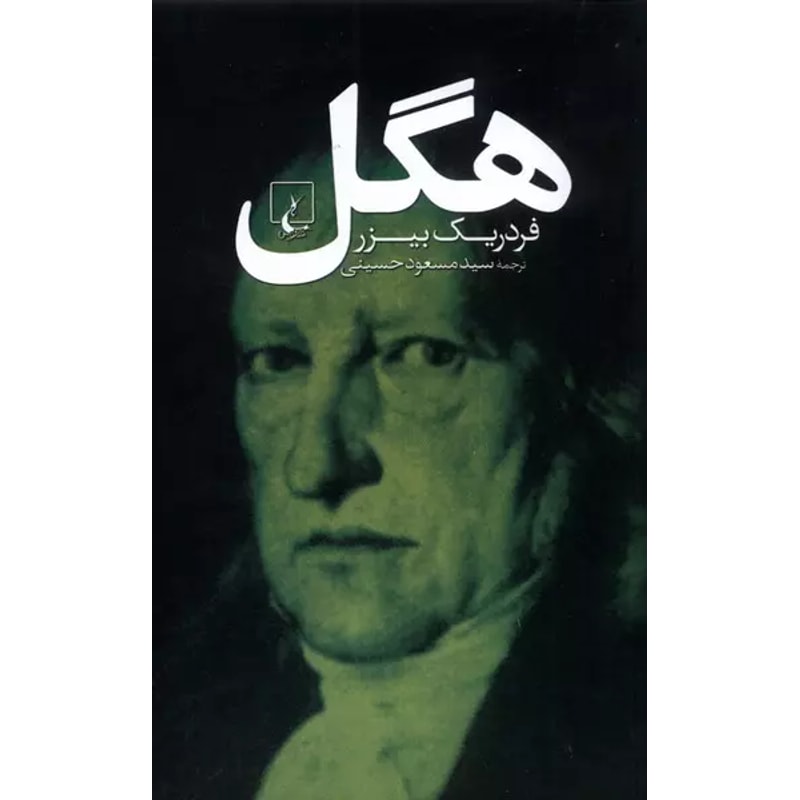
«هگل» اثر فردریک بیزر (Frederick C. Beiser)، ترجمهٔ سیدمسعود حسینی (Seyed Masoud Hosseini) و نشر ققنوس، مدخلی جامع به اندیشهٔ گئورگ ویلهلم فریدریش هگل (Georg Wilhelm Friedrich Hegel) است؛ از زمینهٔ تاریخی و ایدئالیسم مطلق تا دیالکتیک، آزادی، دولت، تاریخ و زیباییشناسی. رکوردهای منطبق با شابک 9786002780102، ۵۲۸ صفحه، قطع رقعی و جلد شومیز را ثبت میکنند؛ نوبت چاپ نسخهٔ موجود بدون دیدن شناسنامه حدس زده نمیشود.
Hegel by Frederick C. Beiser, translated into Persian by Seyed Masoud Hosseini and published by Qoqnoos, introduces the philosophy of Georg Wilhelm Friedrich Hegel from historical context and absolute idealism to dialectic, freedom, the state, history and aesthetics. Records matching ISBN 9786002780102 list 528 pages, Roqei trim and paperback binding; AlefBa does not infer the stock copy’s printing without its colophon.
موجود
معرفی کتاب هگل
«هگل» نوشتهٔ فردریک بیزر (Frederick C. Beiser)، با ترجمهٔ فارسی سیدمسعود حسینی (Seyed Masoud Hosseini) و انتشار ققنوس، مدخلی جامع به زندگی، زمینهٔ تاریخی و دستگاه فلسفی گئورگ ویلهلم فریدریش هگل (Georg Wilhelm Friedrich Hegel) است. این کتاب نه اثری نوشتهٔ گئورگ ویلهلم فریدریش هگل (Georg Wilhelm Friedrich Hegel) و نه گزیدهای از متنهای اوست؛ فردریک بیزر (Frederick C. Beiser) نویسندهٔ پژوهش، سیدمسعود حسینی (Seyed Masoud Hosseini) مترجم نسخهٔ فارسی و گئورگ ویلهلم فریدریش هگل (Georg Wilhelm Friedrich Hegel) موضوع کتاب است. همین نقشهای دقیق در پیوندها و دادهٔ ساختاریافتهٔ صفحه حفظ میشوند.
فردریک بیزر (Frederick C. Beiser) برای خوانندهای مینویسد که ممکن است نخستین بار به سراغ این فیلسوف دشوار برود، اما شرح را به مجموعهای از شعارهای ساده تقلیل نمیدهد. طرح کتاب هم تاریخی است و هم نظاممند: ابتدا آرمانهای جوانی و بافت فرهنگی آلمان را بازسازی میکند، سپس سراغ مابعدالطبیعه، معرفتشناسی، فلسفهٔ اجتماعی و سیاسی و سرانجام فلسفهٔ فرهنگ میرود. نتیجه نقشهای از کل دستگاه است که نشان میدهد هر بخش چگونه با بخشهای دیگر ارتباط پیدا میکند.
چرا زمینهٔ تاریخی در این شرح مهم است؟
بخش نخست از این پرسش آغاز میکند که اندیشهٔ گئورگ ویلهلم فریدریش هگل (Georg Wilhelm Friedrich Hegel) در چه جهانی شکل گرفت. انقلاب فرانسه، روشنگری، نقدهای فلسفی کانت، الهیات پروتستان، میراث یونان و کشمکش میان فرد و اجتماع در پسزمینه قرار میگیرند. کتاب آرمانهای آغازین گئورگ ویلهلم فریدریش هگل (Georg Wilhelm Friedrich Hegel) دربارهٔ آزادی، یگانگی و زندگی اخلاقی را دنبال میکند تا مفاهیم دورهٔ پختگی ناگهان و بیریشه ظاهر نشوند.
این رویکرد تاریخی یکی از امتیازهای اصلی شرح فردریک بیزر (Frederick C. Beiser) است. خواننده فقط با فهرستی از اصطلاحات روبهرو نمیشود؛ میبیند چرا مسئلهٔ جدایی انسان از طبیعت، شکاف فرد و جامعه و نسبت دین و عقل برای نسل گئورگ ویلهلم فریدریش هگل (Georg Wilhelm Friedrich Hegel) فوریت داشت. بنابراین «ایدئالیسم مطلق» در خلأ معرفی نمیشود، بلکه پاسخی به مناقشههای مشخص فلسفه و فرهنگ آلمان خوانده میشود.
مابعدالطبیعه: ایدئالیسم مطلق، کل زنده و روح
بخش دوم کتاب چهار محور را به هم پیوند میدهد: ایدئالیسم مطلق، جهانبینی ارگانیک، قلمرو روح و بُعد دینی. در خوانش فردریک بیزر (Frederick C. Beiser)، ایدئالیسم گئورگ ویلهلم فریدریش هگل (Georg Wilhelm Friedrich Hegel) نباید با این ادعای ساده اشتباه شود که جهان فقط ساختهٔ ذهن فردی است. مسئله فهم نسبت اندیشه و واقعیت در یک کل عقلانی و زنده است؛ کلی که اجزای آن تنها از راه جایگاهشان در شبکهٔ روابط معنا پیدا میکنند.
مفهوم روح نیز شبح یا جوهری رازآلود معرفی نمیشود. کتاب توضیح میدهد که حیات انسانی چگونه در آگاهی، کنش، نهاد، تاریخ، هنر، دین و فلسفه صورت عینی مییابد. بحث دینی در همین معماری قرار میگیرد و نسبت امر مطلق، بازنمایی دینی و شناخت فلسفی را روشن میکند. این بخش برای خوانندهای مفید است که میخواهد بداند چرا متافیزیک گئورگ ویلهلم فریدریش هگل (Georg Wilhelm Friedrich Hegel) همزمان دربارهٔ واقعیت، زندگی، خودآگاهی و فرهنگ سخن میگوید.
معرفتشناسی: دیالکتیک و مسئلهٔ دیگری
در بخش سوم، فردریک بیزر (Frederick C. Beiser) دو موضوع مشهور اما غالباً بدفهمیدهشده را باز میکند: دیالکتیک و نسبت خودآگاهی با دیگران. دیالکتیک در این شرح یک فرمول مکانیکیِ سهمرحلهای نیست که از بیرون بر هر موضوعی تحمیل شود؛ حرکت نقدیای است که تنشها و محدودیتهای درونی یک موضع را آشکار میکند و آن را به صورت فراگیرتری از فهم میرساند.
بحث تنهاییِ ذهن و بینالاذهانیت نشان میدهد چرا شناخت صرفاً درون یک «من» بسته رخ نمیدهد. خودآگاهی برای تشخیص و تثبیت خود به رابطه، بازشناسی و جهان مشترک نیاز دارد. از اینجا پیوند میان معرفتشناسی و فلسفهٔ اجتماعی گئورگ ویلهلم فریدریش هگل (Georg Wilhelm Friedrich Hegel) روشن میشود: مسئلهٔ دیگری یک حاشیهٔ اخلاقی بر نظریهٔ شناخت نیست، بلکه در شکلگیری خود و امکان آزادی نقش بنیادی دارد.
آزادی، حق و دولت
بخش چهارم به آزادی و بنیان حق و سپس نظریهٔ دولت میپردازد. آزادی در دستگاه گئورگ ویلهلم فریدریش هگل (Georg Wilhelm Friedrich Hegel) صرفاً نبود مانع یا انتخاب دلخواه نیست؛ توانایی زندگیکردن در مناسباتی است که فرد بتواند آنها را عقلانی و از آنِ خود بشناسد. خانواده، جامعهٔ مدنی، قانون و دولت مراحل بیارتباط یک فهرست نیستند؛ صورتهای متفاوتیاند که در آنها خواست فردی و زندگی مشترک با یکدیگر درگیر میشوند.
فردریک بیزر (Frederick C. Beiser) هم اهمیت نهادها را توضیح میدهد و هم پرسش دشوار نسبت اقتدار و آزادی را پنهان نمیکند. خواننده میتواند بفهمد چرا گئورگ ویلهلم فریدریش هگل (Georg Wilhelm Friedrich Hegel) از یک سو بر حق فرد و آزادی مدرن تأکید دارد و از سوی دیگر آزادی را بیرون از جهان اجتماعی و قانونی ناممکن میداند. این بخش نقطهٔ شروع مناسبی برای سنجش انتقادهای بعدی از سیاست هگلی است، بیآنکه پیشاپیش او را فقط مدافع دولت یا فقط نظریهپرداز رهایی معرفی کند.
تاریخ، هنر و سرنوشت مکتب هگلی
بخش پایانی، فلسفهٔ تاریخ و زیباییشناسی را در قلمرو فرهنگ بررسی میکند. تاریخ در این شرح انبار رویدادهای پراکنده نیست؛ صحنهای است که صورتهای آزادی و خودفهمی انسان دگرگون میشوند. در زیباییشناسی نیز اثر هنری صرفاً شیئی خوشایند نیست، بلکه شیوهای است که یک فرهنگ حقیقت و تجربهٔ خود را به صورتی محسوس بیان میکند.
کتاب با مروری بر برآمدن و افول مکتب هگلی پایان مییابد و نشان میدهد چرا نفوذ گئورگ ویلهلم فریدریش هگل (Georg Wilhelm Friedrich Hegel) فقط به پیروان مستقیم محدود نماند. جریانهای مهم سدههای نوزدهم و بیستم یا از مفاهیم او بهره گرفتند یا در مخالفت با او صورتبندی شدند. این فرجام تاریخی به خواننده کمک میکند جایگاه کتاب را بفهمد: «هگل» شرح یک متفکر منزوی نیست، بلکه مدخلی به یکی از گرهگاههای فلسفهٔ مدرن است.
روش و ابزارهای خواندن
ساختار اثر بر اساس فهرست رسمی ناشر اصلی شامل مقدمهای دربارهٔ اهمیت و روش، زندگینامهای کوتاه، پنج بخش موضوعی، دوازده فصل، گاهشمار، واژهنامه، خلاصهٔ فصلها و پیشنهادهای توضیحدار برای مطالعهٔ بیشتر است. این امکانات باعث میشوند کتاب هم برای مطالعهٔ پیوسته و هم برای مراجعه به یک مسئله—مثلاً دیالکتیک، آزادی، دولت یا زیباییشناسی—کاربرد داشته باشد.
فردریک بیزر (Frederick C. Beiser) اکنون استاد بازنشستهٔ فلسفه در دانشگاه سیراکیوز و پژوهشگر تاریخ فلسفهٔ مدرن، بهویژه کانت، ایدئالیسم آلمانی و روشنگری انگلیسی است. تخصص تاریخی او در شیوهٔ این کتاب دیده میشود: پیش از داوری دربارهٔ یک مفهوم، جای آن در تحول فکری و مناقشههای زمانه بازسازی میشود.
عنوان اصلی و وضعیت نسخهٔ فارسی
نام دقیق بازار و عنوان چاپشده روی کتاب فقط «هگل» است؛ نام نویسنده از H1 حذف میشود و در جای درستِ اطلاعات پدیدآورنده باقی میماند. عنوان اصلی انگلیسی نیز واقعاً Hegel است، نه ترجمهای ساختهشده برای سئو. راتلج و دانشگاه سیراکیوز انتشار چاپ اول انگلیسی را در سال ۲۰۰۵، در مجموعهٔ Routledge Philosophers، با شابک شومیز 9780415312080 ثبت کردهاند.
رزومهٔ رسمی سیدمسعود حسینی (Seyed Masoud Hosseini) ترجمهٔ فارسی Hegel از فردریک بیزر (Frederick C. Beiser) را با ناشر ققنوس و سال ۲۰۱۲ ثبت میکند. رکوردهای بازارِ منطبق با شابک فارسی 9786002780102 دربارهٔ سال و نوبت چاپ یکسان نیستند، اما بر ۵۲۸ صفحه، قطع رقعی و جلد شومیز توافق دارند. تصویر فعلی الفبا نمای بهینهشدهٔ جلد است و شناسنامهٔ نسخهٔ فیزیکی موجود را نشان نمیدهد؛ بنابراین نوبت چاپ و سال همان نسخه حدس زده نمیشود و شناسنامهٔ کتاب تحویلی مرجع نهایی است.
مشخصات کتاب | Book Details
| عنوان دقیق بازار / Exact Persian Market Title | هگل |
|---|---|
| عنوان اصلی / Original Title | Hegel |
| نویسنده / Author | فردریک بیزر (Frederick C. Beiser) |
| مترجم فارسی / Persian Translator | سیدمسعود حسینی (Seyed Masoud Hosseini) |
| فیلسوف موضوع کتاب / Philosophical Subject | گئورگ ویلهلم فریدریش هگل (Georg Wilhelm Friedrich Hegel) |
| ناشر ترجمهٔ فارسی / Persian Publisher | ققنوس / Qoqnoos Publications |
| شابک / ISBN | 9786002780102 |
| تعداد صفحه / Pages | ۵۲۸ صفحه / 528 pages |
| قطع و جلد / Format & Binding | رقعی، شومیز / Roqei, paperback |
| زبان / Language | فارسی / Persian |
| زبان اثر اصلی / Original Language | انگلیسی / English |
| انتشار اثر اصلی / Original Publication | Routledge Philosophers, first edition, 2005 |
| شابک شومیز اصل / Original Paperback ISBN | 9780415312080 |
| ثبت ترجمه در رزومهٔ مترجم / Translator-CV Record | ققنوس، ۲۰۱۲ / Qoqnoos, 2012 |
| نوبت چاپ نسخهٔ موجود / Stock-copy Printing | در تصویر فعلی قابل تشخیص نیست؛ شناسنامهٔ نسخه مرجع است / not identifiable from the current image; the supplied copy’s colophon is authoritative |
| موضوع / Subject | فلسفهٔ هگل، ایدئالیسم آلمانی، دیالکتیک، آزادی، دولت، تاریخ و زیباییشناسی / Hegel, German idealism, dialectic, freedom, the state, history and aesthetics |
About Hegel
Hegel by Frederick C. Beiser, translated into Persian by Seyed Masoud Hosseini and published by Qoqnoos, is a comprehensive introduction to the life, historical setting and philosophical system of Georg Wilhelm Friedrich Hegel. This is neither a work authored by Georg Wilhelm Friedrich Hegel nor an anthology of his writings: Frederick C. Beiser is the author of the study, Seyed Masoud Hosseini the translator of this Persian edition, and Georg Wilhelm Friedrich Hegel its subject. Those distinct roles are retained in the page’s links and structured data.
Frederick C. Beiser writes for readers who may be approaching this demanding philosopher for the first time without reducing the account to slogans. The architecture is both historical and systematic. It reconstructs Georg Wilhelm Friedrich Hegel’s early ideals and German cultural context before moving through metaphysics, epistemology, social and political philosophy, and finally the philosophy of culture. The result is a map of the whole system and of the connections among its parts.
Why historical context matters
The first part asks what kind of world formed Georg Wilhelm Friedrich Hegel’s thought. The French Revolution, the Enlightenment, Kantian criticism, Protestant theology, the Greek legacy, and tensions between individual and community belong to the background. The book follows Georg Wilhelm Friedrich Hegel’s early ideals of freedom, unity and ethical life so that the mature concepts do not appear suddenly or without intellectual roots.
This contextual method is one of Frederick C. Beiser’s central strengths. Instead of receiving an isolated list of terms, readers see why alienation from nature, the division between individual and society, and the relation of religion to reason were urgent questions for Georg Wilhelm Friedrich Hegel’s generation. Absolute idealism is thus read as an answer to identifiable controversies in German philosophy and culture rather than as a doctrine developed in a vacuum.
Metaphysics: absolute idealism, the living whole and spirit
The second part connects four themes: absolute idealism, the organic worldview, the realm of spirit and the religious dimension. In Frederick C. Beiser’s account, Georg Wilhelm Friedrich Hegel’s idealism should not be confused with the simple claim that the world is merely made by an individual mind. The issue is the relation of thought and reality within a rational, living whole whose parts acquire meaning through their place in a network of relations.
Spirit is likewise not presented as a ghost or mysterious substance. The study explains how human life acquires objective form in consciousness, action, institutions, history, art, religion and philosophy. Religion belongs within the same architecture, clarifying the relation among the absolute, religious representation and philosophical knowledge. This part is especially useful for readers asking why the metaphysics of Georg Wilhelm Friedrich Hegel speaks at once about reality, life, self-consciousness and culture.
Epistemology: dialectic and the problem of other minds
In the third part, Frederick C. Beiser opens two famous but frequently misunderstood questions: dialectic and the relation of self-consciousness to others. Dialectic is not treated as a mechanical three-step formula imposed upon every subject. It is a critical movement that discloses the internal tensions and limits of a position and carries inquiry toward a more adequate form of understanding.
The discussion of solipsism and intersubjectivity shows why knowledge does not occur inside a sealed “I”. Self-consciousness requires relation, recognition and a shared world in order to identify and sustain itself. The link between epistemology and Georg Wilhelm Friedrich Hegel’s social philosophy consequently becomes visible: otherness is not an ethical appendix to a theory of knowledge but a condition of selfhood and freedom.
Freedom, right and the state
The fourth part turns to freedom and the foundation of right, then to the theory of the state. For Georg Wilhelm Friedrich Hegel, freedom is not only the absence of obstacles or arbitrary choice; it is the capacity to inhabit relationships that a person can recognise as rational and genuinely their own. Family, civil society, law and the state are not unrelated items in a list but different forms through which individual willing and shared life confront one another.
Frederick C. Beiser explains the importance of institutions while keeping the difficult relation between authority and freedom in view. Readers can see why Georg Wilhelm Friedrich Hegel affirms individual right and modern freedom yet regards freedom outside a social and legal world as impossible. The section offers a sound starting point for evaluating later criticism of Hegelian politics without predetermining that Georg Wilhelm Friedrich Hegel must be read only as an apologist for the state or only as a theorist of emancipation.
History, art and the fate of the Hegelian school
The final part treats the philosophy of history and aesthetics within the philosophy of culture. History is not a warehouse of disconnected events; it is the field in which forms of freedom and human self-understanding change. Art is more than a pleasing object: it is one way in which a culture gives sensuous expression to its truth and experience.
The book concludes with the rise and fall of the Hegelian school and shows why the influence of Georg Wilhelm Friedrich Hegel was never confined to direct disciples. Major movements of the nineteenth and twentieth centuries either appropriated his concepts or defined themselves against him. That ending identifies the book’s larger value: Hegel is not simply an account of an isolated thinker but an entry point into one of the decisive junctions of modern philosophy.
Method and reading tools
According to the original publisher’s table of contents, the book contains an introduction on relevance and method, a brief biography, five thematic parts, twelve chapters, a chronology, glossary, chapter summaries and annotated further reading. These tools support both continuous reading and consultation by topic—whether dialectic, freedom, the state or aesthetics.
Frederick C. Beiser is now Professor Emeritus of Philosophy at Syracuse University and a historian of modern philosophy whose research centres on Kant, German idealism and the English Enlightenment. That historical expertise shapes this book: it reconstructs a concept’s place in intellectual development and period controversy before judging it.
Original title and Persian-edition status
The exact Persian market title and title printed on the book is simply هگل. The author suffix is therefore removed from AlefBa’s H1 and retained in the proper creator field. Its English original title really is Hegel; it is not an SEO translation invented from Persian. Routledge and Syracuse University record the English first edition in the Routledge Philosophers series in 2005, with paperback ISBN 9780415312080.
Seyed Masoud Hosseini’s official CV records his Persian translation of Hegel by Frederick C. Beiser as published by Qoqnoos in 2012. Market records matching Persian ISBN 9786002780102 disagree about later printing years and numbers, but consistently list 528 pages, Roqei trim and paperback binding. AlefBa’s current optimised image shows the cover rather than the stock copy’s colophon, so this page does not guess the printing number or year of the physical copy supplied; that copy’s colophon remains authoritative.
نظر، اصلاح و تکمیل محتوا
اصلاح اطلاعات یا ارسال نظر درباره این کتاب
اصلاح اطلاعات یا ارسال نظر درباره کتاب «هگل»
اگر درباره مشخصات، تاریخها، نامها، منابع یا محتوای این صفحه اصلاح مستندی دارید، لطفاً پیام خود و منبع اطلاعات را ارسال کنید. پیامها پیش از اعمال تغییر بررسی میشوند.
If you have a documented correction, reliable source or additional information about this page, please send it below. All submissions are reviewed before any changes are made.
.فقط مشتریانی که این محصول را خریداری کرده اند و وارد سیستم شده اند میتوانند برای این محصول دیدگاه(نظر) ارسال کنند.






نقد و بررسیها
هنوز بررسیای ثبت نشده است.