

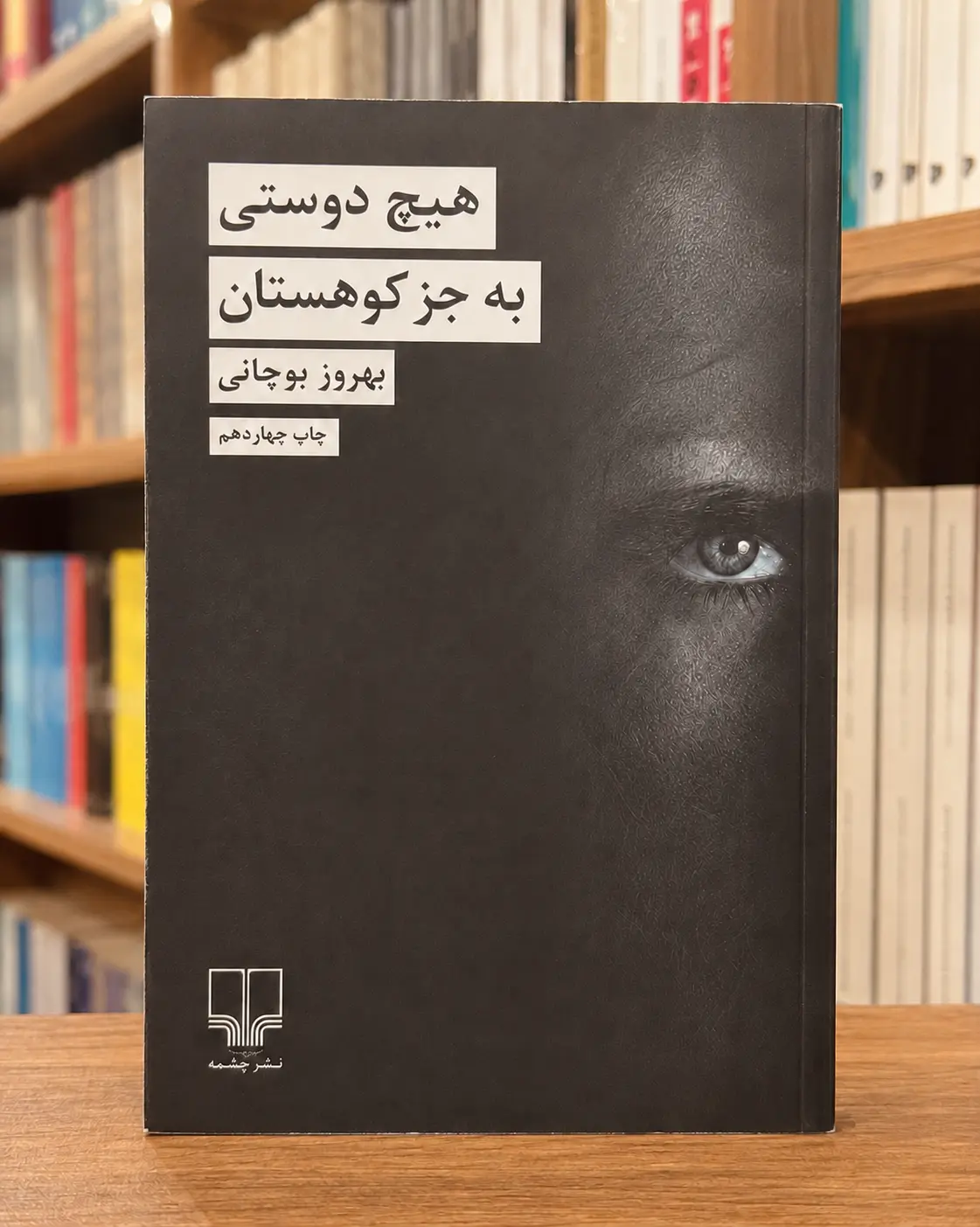


هیچ دوستی به جز کوهستان
No Friend but the Mountains: Writing from Manus Prison
$ 30,07
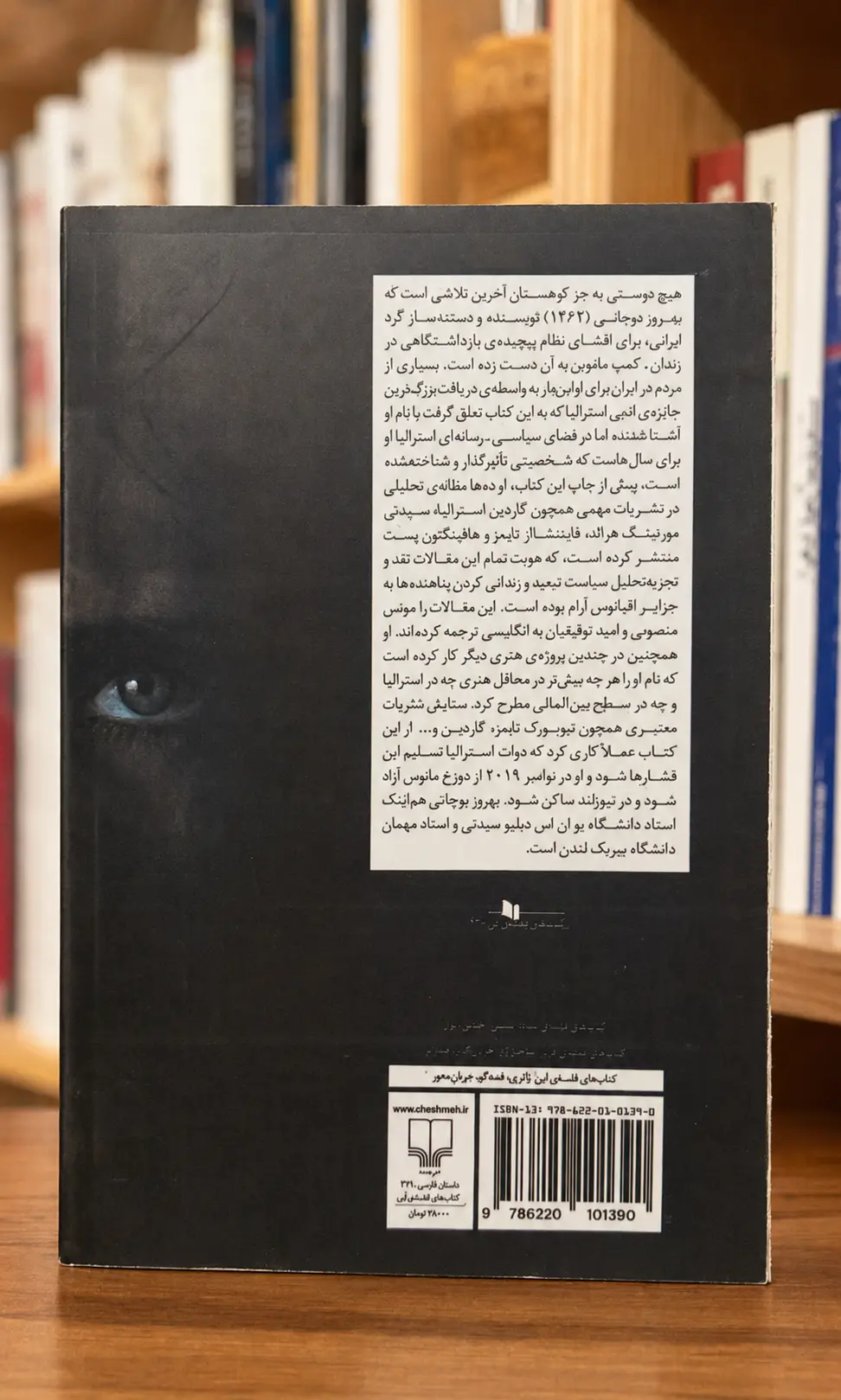
هیچ دوستی بهجز کوهستان اثر بهروز بوچانی، روایتی ادبی و مستند از سفر پناهجویی، بازداشت در جزیرهٔ مانوس و مقاومت انسانی است. متن در اصل به فارسی و با پیامهای واتساپ نوشته شد. نسخهٔ نشر چشمه، چاپ چهاردهم، ۲۴۸ صفحه، شومیز و شابک 9786220101390.
No Friend but the Mountains by Behrouz Boochani is an award-winning Persian memoir of asylum, Manus Island detention and human resistance. Originally composed in Persian through WhatsApp messages. Nashr Cheshmeh, 14th printing, 248-page paperback, ISBN 9786220101390.
موجود
هیچ دوستی بهجز کوهستان، روایتی از نوشتن برای بقا
هیچ دوستی بهجز کوهستان نوشتهٔ بهروز بوچانی (Behrouz Boochani)، روایت سفر پناهجویی نویسنده به استرالیا و سالهایی است که در بازداشتگاه مانوس گذراند. بوچانی زندگی روزمرهٔ پناهجویان، خشونت و تحقیر حاکم بر بازداشتگاه، دوستیها و مقاومتهای کوچک آنان را شرح میدهد و سازوکار قدرت در نظام بازداشت برونمرزی استرالیا را بررسی میکند. نثر کتاب میان خاطرهنویسی، روایت شاعرانه و تحلیل سیاسی حرکت میکند.
آدمهای این کتاب هرکدام گذشته، خلقوخو و روابط خود را دارند. بوچانی ترس و محرومیت را همراه با شوخطبعی، دوستی و مقاومتهای روزمره ثبت میکند. این کتاب برای خوانندگان خاطرات، ادبیات زندان، مهاجرت، حقوق بشر، فرهنگ کردی و تاریخ معاصر استرالیا مناسب است.
یادداشت محتوایی: کتاب شامل روایت بازداشت، خشونت، مرگ، تحقیر و فشار روانی است و ممکن است برای برخی خوانندگان سنگین باشد.
کتابی که با پیامهای واتساپ از مانوس بیرون آمد
بوچانی متن کتاب را طی حدود پنج سال، مخفیانه و به زبان فارسی روی چند تلفن همراه نوشت. او نوشتهها را در صدها پیام واتساپ برای دوستان و همکارانش در استرالیا میفرستاد، زیرا میترسید مأموران نوشتههای کاغذی یا تلفنش را ضبط کنند. مونس منصوبی بخش بزرگی از پیامها را مرتب و به فصلها و فایلهای قابلاستفاده تبدیل کرد و امید توفیقیان ترجمه و ویرایش خلاقانهٔ انگلیسی را با مشورت مستمر نویسنده انجام داد. شرح دانشگاهی این فرایند همکاری را میتوان در پژوهش امید توفیقیان دربارهٔ ترجمهٔ روایتهای مانوس خواند.
نسخهٔ بینالمللی کتاب با عنوان No Friend but the Mountains: Writing from Manus Prison در ۳۱ ژوئیهٔ ۲۰۱۸ با ترجمهٔ امید توفیقیان از سوی Picador Australia منتشر شد. صفحهٔ رسمی Pan Macmillan زبان مبدأ را فارسی ثبت کرده است. نسخهٔ نشر چشمه همان متن فارسیای را منتشر میکند که بوچانی ابتدا نوشت؛ نه ترجمهای از نسخهٔ انگلیسی.
چرا این کتاب نوشته شد؟
نوشتن برای بوچانی هم راهی برای زنده ماندن و حفظ هویت بود و هم تلاشی برای ساختن یک سند تاریخی. او میخواست تجربهٔ کسانی را ثبت کند که در سیاستهای مرزی به عدد و پرونده تقلیل یافته بودند. در برنامهٔ مستند Australian Story شبکهٔ ABC، خود بوچانی و همکارانش توضیح میدهند که چگونه تلفن همراه به ابزار نوشتن، گزارشگری و فرستادن کتاب تبدیل شد. در گزارش دانشگاه UNSW از مراسم رونمایی کتاب نیز ادبیات بهعنوان وسیلهای برای مقاومت، ثبت تاریخ و بازپسگرفتن انسانیت معرفی شده است.
عنوان کتاب از گفتهای شناختهشده در فرهنگ کردی الهام گرفته است: در دورههای آزار و جنگ، کوهستان پناه کردها بوده است. بوچانی این تصویر را به تجربهٔ تبعید و جستوجوی پناه پیوند میدهد. او در گفتوگو با آرنولد زابل در NGV، کوهستان را تصویری از پناه، حافظه و آزادی میداند.
جوایز و افتخارات
- برندهٔ جایزهٔ کلی ادبیات و جایزهٔ غیرداستانی نخستوزیر ویکتوریا در سال ۲۰۱۹، طبق Wheeler Centre
- برندهٔ جایزهٔ ویژهٔ ادبی نیو ساوت ولز در سال ۲۰۱۹، طبق کتابخانهٔ ایالتی نیو ساوت ولز
- برندهٔ جایزهٔ کتاب غیرداستانی سال صنعت نشر استرالیا در سال ۲۰۱۹، طبق Australian Book Industry Awards
- برندهٔ جایزهٔ ملی زندگینامهٔ استرالیا در سال ۲۰۱۹، طبق کتابخانهٔ ایالتی نیو ساوت ولز
- برندهٔ جایزهٔ رسانهای عفو بینالملل استرالیا در سال ۲۰۱۷ برای گزارشگری از مانوس، طبق Amnesty International Australia
مشخصات نسخهٔ فارسی
| عنوان | هیچ دوستی بهجز کوهستان |
|---|---|
| نویسنده | |
| ناشر | نشر چشمه |
| زبان | فارسی، زبان اصلی نگارش اثر |
| سال انتشار کتابشناختی | ۱۳۹۷ |
| نوبت چاپ نسخهٔ حاضر | چاپ چهاردهم |
| تعداد صفحات | ۲۴۸ صفحه |
| شابک | 978-622-01-0139-0 |
بهروز بوچانی کیست؟

بهروز بوچانی، زادهٔ ۲۳ ژوئیهٔ ۱۹۸۳، نویسنده، روزنامهنگار، پژوهشگر، فیلمساز و کنشگر حقوق بشر کرد ایرانی است. او در روستایی کوچک در استان ایلام و در خانوادهای کشاورز به دنیا آمد. کودکیاش همزمان با جنگ ایران و عراق گذشت؛ جنگی که بخش بزرگی از مناطق کردنشین غرب ایران را مستقیماً درگیر کرد. بوچانی بعدها از خود بهعنوان «کودک جنگ» یاد کرد. روایت او دربارهٔ زادگاه، والدین کشاورز و تجربهٔ جنگ در مستند The Invisible Man از ABC ثبت شده است.
قبولی در آزمون سراسری دانشگاه مسیر زندگی او را از روستا به تهران تغییر داد. بوچانی در دانشگاه تربیت معلم، دانشگاه خوارزمی کنونی، و دانشگاه تربیت مدرس تحصیل کرد و در حوزههای علوم سیاسی، جغرافیای سیاسی و ژئوپلیتیک مدرک کارشناسیارشد گرفت. زندگینامهٔ رسمی او همین تحصیلات را تأیید میکند و هیچ منبع رسمی معتبری مدرک دکترای او را گزارش نکرده است.
روزنامهنگاری در ایران و مجلهٔ وریا
بوچانی فعالیت روزنامهنگاری را با نشریهٔ دانشجویی دانشگاه تربیت مدرس آغاز کرد و سپس برای نشریاتی مانند کسبوکار، قانون و اعتماد و نیز رسانهٔ ورزشی ایران نوشت. موضوع نوشتههایش سیاست خاورمیانه، حقوق اقلیتها و حفظ زبان و فرهنگ کردی بود. مهمترین فعالیت او همکاری در بنیانگذاری، نویسندگی و ویرایش مجلهٔ کردی Werya یا «وریا» بود؛ مجلهای اجتماعی و فرهنگی که به تاریخ، زبان و هویت کردی ایلام میپرداخت. این دوره در گزارش تفصیلی گاردین و پروندهٔ PEN International مستند شده است.
در سال ۲۰۱۱ نیروهای سپاه او را بازداشت و بازجویی کردند و از او تعهد گرفتند فعالیتهایش را متوقف کند. با این حال، همکاری او با وریا ادامه یافت. در ۱۷ فوریهٔ ۲۰۱۳ دفتر مجله در ایلام هدف یورش قرار گرفت و یازده تن از همکارانش بازداشت شدند. بوچانی که آن روز در تهران بود، خبر بازداشتها را منتشر کرد، مدتی مخفی شد و سرانجام در ۲۳ مهٔ ۲۰۱۳ ایران را ترک کرد.
از ایران تا اندونزی، جزیرهٔ کریسمس و مانوس
بوچانی با هواپیما و از مسیر آسیای جنوبشرقی خود را به اندونزی رساند. نخستین قایقی که با آن راهی استرالیا شد غرق شد و یک قایق ماهیگیری سرنشینان را نجات داد. در دومین تلاش، قایق حدود یک هفته در دریا سرگردان ماند. او در ژوئیهٔ ۲۰۱۳ به جزیرهٔ کریسمس منتقل شد و اندکی بعد، بر اساس سیاست تازهٔ استرالیا دربارهٔ پناهجویان دریایی، به بازداشتگاه مانوس در پاپوآ گینهٔ نو فرستاده شد. زندگینامهٔ گالری ملی پرترهٔ استرالیا مسیر بازداشت، گزارشگری مخفیانه و انتقال بعدی او به پورت مورزبی را ثبت کرده است.
بوچانی بیش از شش سال در نظام بازداشت برونمرزی استرالیا ماند. در این مدت مقاله، شعر و گزارش نوشت، فیلم مستند Chauka, Please Tell Us the Time را با آرش کمالی سروستانی ساخت و به یکی از شناختهشدهترین صداهای داخل مانوس تبدیل شد.
آزادی و زندگی در نیوزیلند
در نوامبر ۲۰۱۹، بوچانی با ویزای قانونی یکماهه برای شرکت در جشنوارهٔ ادبی WORD Christchurch از پاپوآ گینهٔ نو وارد نیوزیلند شد. دولت نیوزیلند در ژوئیهٔ ۲۰۲۰ او را بر اساس کنوانسیون ۱۹۵۱ رسماً بهعنوان پناهنده شناخت. خبر رسمی و توضیح جایگاه پژوهشی او در دانشگاه کانتربری منتشر شده است.
بوچانی اکنون در ولینگتون زندگی میکند و به نوشتن، پژوهش، فیلم و دفاع از حقوق پناهندگان و کردها ادامه میدهد. منابع رسمی او را دانشیار علوم اجتماعی در UNSW Sydney، استاد مهمان دانشکدهٔ حقوق Birkbeck و پژوهشگر مهمان غیرمقیم مرکز مهاجرت آسیا و اقیانوسیهٔ دانشگاه سیدنی معرفی میکنند. انتصاب اولیهٔ او در UNSW از نوع Adjunct Associate Professor بود. نام او همچنان در فهرست استادان مهمان بیرکبک دیده میشود.
دیدگاههای سیاسی و علت بحثهای عمومی
بوچانی خود را نویسندهای کرد-ایرانی معرفی میکند. فعالیت او بر حفظ زبان و فرهنگ کردی، حقوق سیاسی و فرهنگی کردها، حقوق پناهندگان و نقد ساختارهای متمرکز قدرت تمرکز دارد. او ایران را جامعهای چندملیتی میداند و با روایتهایی که به باورش تجربهٔ کردها و دیگر گروههای غیرفارس را نادیده میگیرند مخالفت کرده است؛ این موضع در گفتوگوی گاردین در ۲۰۲۲ و یادداشت او در گاردین در ژانویهٔ ۲۰۲۶ دیده میشود.
آیا او خواهان تجزیهٔ ایران است؟ منتقدان مرکزگرا و برخی سلطنتطلبان، دفاع او از خودمختاری کردی، مخالفتش با ساختار تکمرکزی و نقد ملیگرایی فارسی را «تجزیهطلبانه» میخوانند. بااینحال، در منابع معتبر بررسیشده درخواست صریح و قابلاستنادی از او برای تجزیهٔ ایران یا تشکیل کردستان مستقل در خاک ایران یافت نشد. مواضع ثبتشدهٔ او از حقوق فرهنگی و سیاسی کردها و تقسیم عادلانهٔ قدرت دفاع میکنند؛ خودمختاری، تمرکززدایی یا توصیف ایران بهعنوان جامعهای چندملیتی را نمیتوان بدون مدرک مترادف جداییخواهی دانست. او در گفتوگویی با رادیو زمانه در ۲۰۲۳ نیز تغییر سیاسی را نیازمند همکاری احزاب کردی، فارسیزبانان دموکرات، زنان و دیگر گروههای جامعهٔ مدنی دانست.
سابقهٔ حزبی: گاردین در سال ۲۰۱۵ عضویت تاریخی او در حزب دموکرات کردستان و اتحادیهٔ ملی دانشجویان کرد را گزارش کرد. این گزارش دربارهٔ گذشته است؛ منبع معتبر تازهای که عضویت فعلی او در حزب مشخصی را تأیید کند پیدا نشد، بنابراین آن سابقه بهعنوان وابستگی حزبی کنونی معرفی نمیشود.
ادعای «هموطنانم برایم مهم نیستند»: برای این عبارت منتسب به بوچانی، منبع اولیه یا گزارش معتبر قابلتأییدی پیدا نشد و نقل آن بهعنوان سخن او درست نیست. در مقابل، او دربارهٔ آزادی مردم ایران، سکولاریسم و نظام دموکراتیک سخن گفته است؛ از جمله در گزارش SBS News در ۲۰۲۲.
چرا بعضی مخاطبان از او حمایت میکنند و بعضی مخالفت؟ حامیان، شجاعت او در مستندسازی مانوس، دفاع از پناهجویان و نیروی ادبی نوشتههایش را برجسته میکنند؛ داوران جایزهٔ ملی زندگینامهٔ استرالیا و عفو بینالملل استرالیا بر اهمیت شهادت ادبی و گزارشگری او تأکید کردهاند. مخالفان، لحن تندش علیه تمرکزگرایی و ملیگرایی فارسی، نقد سلطنتطلبی و تأکید بر خاستگاه کردی شعار «زن، زندگی، آزادی» را تفرقهافکنانه میبینند. این اختلاف عمدتاً از برداشتهای متضاد دربارهٔ هویت ملی، حقوق کردها و ساختار آیندهٔ حکومت ایران ناشی میشود. در این صفحه «تجزیهطلب» فقط بهعنوان برچسب برخی منتقدان گزارش میشود، نه واقعیتی اثباتشده.
خانواده و زندگی خصوصی
اطلاعات عمومی و تأییدشده دربارهٔ خانوادهٔ بوچانی محدود است. او گفته است پدر و مادرش کشاورز بودند. یک پروفایل گاردین در سال ۲۰۲۴ تنها از پارتنر بینام او که در حوزهٔ نشر فعالیت دارد یاد میکند. منابع معتبر عمومی دربارهٔ ازدواج رسمی، داشتن یا نداشتن فرزند، یا تعداد خواهران و برادران او اطلاعات تأییدشدهای ارائه نمیکنند؛ ازاینرو حفظ همین مرز میان اطلاعات مستند و زندگی خصوصی دقیقتر و منصفانهتر است.
پیشنهاد برای چه خوانندگانی؟
- خوانندگان خاطرات، زندگینامه و ادبیات زندان
- علاقهمندان به مهاجرت، پناهجویی و حقوق بشر
- پژوهشگران سیاست مرزی و تاریخ معاصر استرالیا
- علاقهمندان به فرهنگ، ادبیات و روایتهای کردی
- کسانی که به آثار ادبی تجربهگرا و نثر شاعرانه علاقه دارند
No Friend but the Mountains: Writing as Survival
No Friend but the Mountains: Writing from Manus Prison by Behrouz Boochani recounts Boochani’s sea journey to Australia and the years he spent in offshore detention on Manus Island. He describes daily life among the detained men—the violence and humiliations they endured, their friendships and their small acts of resistance—and examines the power structure that governed the camp. The writing moves between memoir, prison narrative, poetic prose and political analysis.
Each person appears with his own history, temperament and relationships. The book will interest readers of memoir, prison writing, migration, human rights, Kurdish culture and modern Australian history.
Content note: the book contains accounts of detention, violence, death, humiliation and psychological distress, and may be emotionally demanding for some readers.
A Manuscript Sent Out Through WhatsApp
Boochani composed the book in Persian over approximately five years, working secretly on several mobile phones. He sent the manuscript out in hundreds of WhatsApp messages because written pages and phones could be confiscated during searches. Moones Mansoubi organised much of the material into chapters and files, while Omid Tofighian translated and collaboratively edited the English text in continuing consultation with Boochani. The process is documented in Tofighian’s academic account of translating the Manus prison narratives.
The international edition, No Friend but the Mountains: Writing from Manus Prison, was published by Picador Australia on 31 July 2018 in Omid Tofighian’s English translation. The official Pan Macmillan edition page identifies Persian as the source language. Nashr Cheshmeh publishes Boochani’s original Persian text rather than a translation of the English edition.
Why Boochani Wrote the Book
For Boochani, writing was both an act of survival and a way to create a historical record. He sought to restore names, personalities and agency to people whom the border system had reduced to files and numbers. The ABC documentary The Invisible Man documents how he turned a mobile phone into a tool for journalism, filmmaking and literature. UNSW’s account of the book’s official launch also records his view of literature as resistance, cultural history and a means of reclaiming humanity.
The title draws on a well-known Kurdish saying about mountains as the historic refuge of the Kurdish people. In his dialogue with Arnold Zable for the National Gallery of Victoria, Boochani expands the mountain from a geographical place into an image of refuge, memory and freedom.
Major Awards
- 2019 Victorian Prize for Literature and Victorian Premier’s Prize for Non-Fiction, confirmed by the Wheeler Centre
- 2019 NSW Premier’s Literary Awards Special Award, confirmed by the State Library of New South Wales
- 2019 Australian Book Industry Award for General Non-Fiction Book of the Year, confirmed by the ABIA
- 2019 National Biography Award, confirmed by the State Library of New South Wales
- 2017 Amnesty International Australia Media Award for reporting from Manus, confirmed by Amnesty International Australia
Persian Edition Details
| Title | هیچ دوستی بهجز کوهستان |
|---|---|
| Author | Behrouz Boochani |
| Publisher | Nashr Cheshmeh |
| Language | Persian, the original language of composition |
| Bibliographic publication year | 1397 SH |
| Printing | Fourteenth printing |
| Length | 248 pages |
| ISBN | 978-622-01-0139-0 |
About Behrouz Boochani
Behrouz Boochani, born on 23 July 1983, is a Kurdish-Iranian writer, journalist, scholar, filmmaker and human-rights advocate. He was born in a small village in Iran’s Ilam province to farming parents and grew up during the Iran–Iraq War, which directly affected Kurdish regions in western Iran. Boochani has described himself as a child of that war. His account of his birthplace, his parents and his early experience of conflict appears in the ABC’s Australian Story profile.
Passing Iran’s competitive university entrance examination took him from a marginalised rural environment to Tehran. He studied at Tarbiat Moallem University, now Kharazmi University, and Tarbiat Modares University, completing postgraduate study in political science, political geography and geopolitics. His official biography confirms this master’s-level education; no authoritative public source reviewed for this page reports that he holds a doctorate.
Journalism in Iran and the Magazine Werya
Boochani began in student journalism at Tarbiat Modares University and later contributed to Iranian publications including Kasbokar, Qanoon and Etemad, as well as Iranian sports media. His work addressed Middle Eastern politics, minority rights and the survival of Kurdish language and culture. His most significant project in Iran was co-founding, writing for and editing the Kurdish-language social and cultural magazine Werya. This period is documented by The Guardian and PEN International.
Iran’s Revolutionary Guards detained and interrogated Boochani in 2011 and required him to undertake that he would stop his activities. He continued to work with Werya. On 17 February 2013, the magazine’s office in Ilam was raided and eleven colleagues were arrested. Boochani was in Tehran, reported the arrests, went into hiding and left Iran on 23 May 2013.
From Iran to Indonesia, Christmas Island and Manus
Boochani travelled by air through Southeast Asia to Indonesia. His first attempt to reach Australia by boat ended when the vessel sank and a fishing boat rescued those on board. During a second attempt, the vessel was lost at sea for about a week. He was taken to Christmas Island in July 2013 and was then transferred under Australia’s newly announced maritime-arrival policy to the offshore detention centre on Manus Island, Papua New Guinea. The National Portrait Gallery of Australia documents this journey, his secret reporting and his later relocation to Port Moresby.
Boochani remained within Australia’s offshore detention system for more than six years. During that period he produced journalism, poetry and film, co-directed the documentary Chauka, Please Tell Us the Time with Arash Kamali Sarvestani, and became one of the most prominent voices reporting from inside Manus.
Freedom and Life in New Zealand
In November 2019, Boochani legally entered New Zealand on a one-month visitor visa to attend the WORD Christchurch literary festival. In July 2020, New Zealand formally recognised him as a refugee under the 1951 Refugee Convention. The University of Canterbury’s announcement confirms both the decision and his appointment at its Ngāi Tahu Research Centre.
Boochani now lives in Wellington and continues to write, research, make films and advocate for refugee and Kurdish rights. Current official biographies list him as an Associate Professor in Social Sciences at UNSW Sydney, a Visiting Professor at Birkbeck Law School and a non-resident Visiting Scholar at the University of Sydney’s Asia Pacific Migration Centre. His original UNSW appointment was as an Adjunct Associate Professor, and he remains listed among Birkbeck Law School’s visiting staff.
Political Work and Public Debate
Boochani describes himself as a Kurdish Iranian writer. His work defends Kurdish language and culture, Kurdish cultural and political rights, refugee rights and a fairer distribution of power. He describes Iran as a multinational society and challenges narratives that, in his view, marginalise Kurds and other non-Persian communities. These positions appear in a 2022 Guardian interview and in his January 2026 Guardian commentary.
Does he advocate the partition of Iran? Centralist critics and some monarchists describe his support for Kurdish autonomy, opposition to a unitary centralised state and criticism of Persian nationalism as “separatist.” The credible sources reviewed for this page, however, contain no explicit and verifiable call by Boochani for Iran’s territorial partition or for an independent Kurdistan inside Iran’s current borders. His documented positions support Kurdish cultural and political rights and fairer power-sharing; autonomy, decentralisation and a multinational conception of Iran should not be treated as synonyms for secession without evidence. In a 2023 Radio Zamaneh interview, he also argued that change required cooperation among Kurdish parties, democratic Persian-speaking groups, women and wider civil society.
Historical political affiliation: The Guardian reported in 2015 that Boochani had historically belonged to the Kurdistan Democratic Party and the National Union of Kurdish Students. That report concerns his past. No reliable recent source reviewed here establishes his current membership in a particular party, so the historical record is not presented as a present-day affiliation.
The alleged “my compatriots do not matter to me” remark: no verifiable primary source or credible report was found for this statement, and it should not be presented as Boochani’s words. By contrast, he has publicly discussed the freedom of Iran’s people and their desire for secular and democratic government, including in a 2022 SBS News report.
Why do some readers admire him while others object? Supporters emphasise his courage in documenting Manus, his sustained advocacy for refugees and the literary force of his writing; the National Biography Award judges and Amnesty International Australia highlighted the importance of his testimony and reporting. Opponents object to his forceful criticism of centralisation and Persian nationalism, his rejection of monarchist narratives and his insistence on the Kurdish origins of the “Woman, Life, Freedom” slogan. The dispute is driven largely by competing views of national identity, Kurdish rights and Iran’s future political structure. On this page, “separatist” is reported only as a label used by some critics, not as an established fact.
Family and Private Life
Verified public information about Boochani’s family is limited. He has said that his mother and father were farmers. A 2024 Guardian profile refers only to an unnamed partner who works in publishing. Reliable public sources do not confirm a formal marriage, whether he has children, or the number of his siblings. Respecting that distinction between documented biography and private life keeps the account accurate and fair.
Recommended For
- Readers of memoir, biography and prison literature
- Those interested in migration, asylum and human rights
- Students and researchers of border policy and modern Australian history
- Readers interested in Kurdish culture, literature and identity
- Anyone drawn to formally inventive literature and poetic prose
نظر، اصلاح و تکمیل محتوا
اصلاح اطلاعات یا ارسال نظر درباره این کتاب
اصلاح اطلاعات یا ارسال نظر درباره کتاب «هیچ دوستی به جز کوهستان»
اگر درباره مشخصات، تاریخها، نامها، منابع یا محتوای این صفحه اصلاح مستندی دارید، لطفاً پیام خود و منبع اطلاعات را ارسال کنید. پیامها پیش از اعمال تغییر بررسی میشوند.
If you have a documented correction, reliable source or additional information about this page, please send it below. All submissions are reviewed before any changes are made.
.فقط مشتریانی که این محصول را خریداری کرده اند و وارد سیستم شده اند میتوانند برای این محصول دیدگاه(نظر) ارسال کنند.



نقد و بررسیها
هنوز بررسیای ثبت نشده است.