

۱۲۰ سال پس از فرمان مشروطه؛ مجلس، قانون، زنان، مطبوعات و میراث حکومت قانون
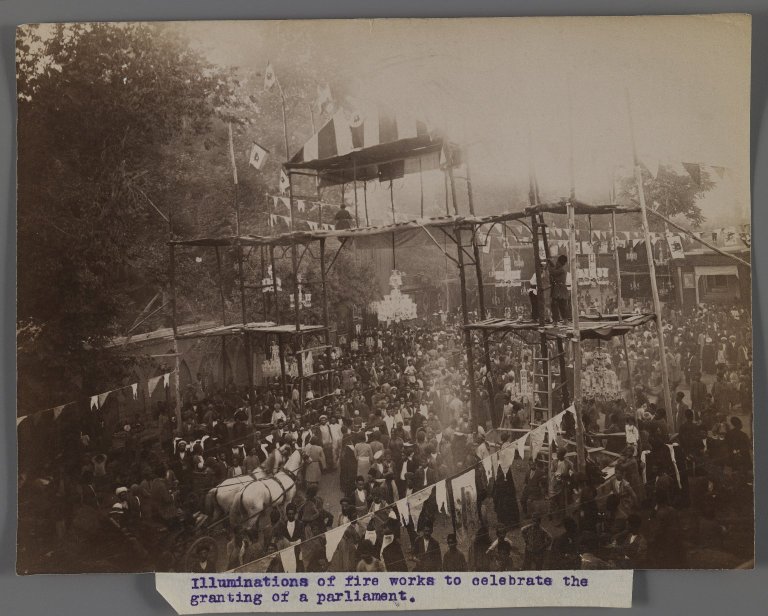
مجلس، قانون، زنان، مطبوعات و میراث ناتمام حکومت قانون
در ۱۴ مرداد ۱۲۸۵، امضای مظفرالدینشاه زیر فرمانی نشست که راه تشکیل مجلس را گشود. آن امضا حاصل ماهها اعتصاب، مهاجرت، بستنشینی، مذاکره و فشار اجتماعی بود. دو سال بعد ساختمان مجلس زیر آتش توپ قرار گرفت؛ سه سال بعد نمایندگان دوباره بازگشتند؛ و تا پایان ۱۲۹۰ کشمکش میان قانون، سلطنت، نیروهای خارجی و جامعه ادامه یافت. این پروندهٔ دوزبانه خط زمانی جنبش را از زمینههای دههٔ ۱۲۷۰ تا میراث حقوقی امروز دنبال میکند.
Parliament, law, women, the press, and the unfinished legacy of the rule of law
On 5 August 1906, Muzaffar al-Din Shah signed the decree that opened the way for an elected parliament. The signature followed months of strikes, migrations, sanctuary protests, negotiation and organised social pressure. Artillery struck the Majles building less than two years later. Parliament returned in 1909, and the contest among law, monarchy, foreign powers and society continued through 1911. This bilingual feature follows the movement from its nineteenth-century background to its legal and political legacy.
تاریخها با تقویم خورشیدی و میلادی کنار هم آمدهاند. متن فرمان و قانون اساسی از اسناد حقوقی، خط زمانی از دانشنامهٔ ایرانیکا و تصاویر از آرشیوهای دارای مجوز گرفته شدهاند. اختلاف منابع در متن پنهان نشده است.
Solar Hijri and Gregorian dates are presented together. The decree and constitutional provisions come from legal documents; the chronology draws on Encyclopaedia Iranica; every image comes from a reusable archive. Disagreements among sources remain visible.
خط زمانی در یک نگاه
Timeline at a glance
از بحران مالی تا اندیشهٔ قانون
مشروطه از یک حادثهٔ ناگهانی زاده نشد. در دهههای پایانی قاجار، دولت برای تأمین هزینههای دربار و ادارهٔ کشور امتیازهای اقتصادی واگذار میکرد و از روسیه و بریتانیا وام میگرفت. کاهش ارزش قران، تورم، فشار مالیاتی و ضعف دستگاه اداری اثر این سیاستها را به بازار و زندگی روزمره میرساند. وامهای روسیه در سالهای ۱۹۰۰ و ۱۹۰۲، همراه با امتیازهای پیشین، این تصور را قوت داد که تصمیمهای حیاتی کشور بدون پاسخگویی عمومی گرفته میشوند.
اعتراض تنباکو در ۱۲۷۰ خورشیدی نشان داده بود که ائتلاف بازرگانان، روحانیان، روشنفکران و مصرفکنندگان میتواند امتیازی سلطنتی را عقب براند. زنان در خانهها و حتی اندرون دربار مصرف تنباکو را کنار گذاشتند. شبکهٔ تلگراف پیام را سریعتر پخش کرد و بازار امکان اعتصاب سراسری یافت. این تجربه، الگوی سازماندهی جنبش بعدی را ساخت؛ با این تفاوت که خواستهٔ ۱۲۸۵ به نهادی ماندگار برای قانونگذاری و نظارت مربوط میشد.
همزمان زبان تازهای وارد بحث عمومی شد. میرزا ملکمخان دربارهٔ قانون، مجلس، ملت و حقوق نوشت. میرزا فتحعلی آخوندزاده نقد دینسالاری و اقتدار سنتی را با صراحت بیشتری پیش برد. پیروزی ژاپن بر روسیه در ۱۹۰۵ و انقلاب همان سال روسیه نیز نشان دادند که یک قدرت آسیایی میتواند نوسازی کند و یک سلطنت بزرگ میتواند زیر فشار اجتماعی عقب بنشیند. این تأثیرها نسخهای واحد نساختند؛ مشروطهخواهان دربارهٔ دین، سلطنت، عدالت و حدود آزادی اختلاف جدی داشتند.
From fiscal crisis to the language of law
The Constitutional Revolution did not emerge from a single incident. During the final Qajar decades, the state granted economic concessions and borrowed from Russia and Britain to finance the court and government. Depreciation of the silver qeran, inflation, taxation and weak administration carried the consequences into the bazaar and household economy. Russian loans in 1900 and 1902 strengthened the impression that decisions affecting the country’s future were being made without public accountability.
The Tobacco Protest of 1891 had already demonstrated the reach of a coalition among merchants, clerics, intellectuals and consumers. Women in urban households and the royal harem observed the boycott. Telegraph networks circulated news, while the bazaar supplied an organisational centre. The episode offered a practical rehearsal for later mobilisation. The 1906 demand went further by seeking a durable institution able to legislate, control revenue and scrutinise government.
A new political vocabulary developed alongside these material pressures. Mirza Malkom Khan wrote about law, assembly, nation and rights. Mirza Fath-Ali Akhundzadeh pressed a more secular and anticlerical critique of inherited authority. Japan’s victory over Russia in 1905 and the Russian Revolution of that year enlarged the political imagination. These influences never produced a unified doctrine. Constitutionalists disagreed over religion, monarchy, justice and the limits of liberty.
کتاب مرتبط با زمینهٔ فکری
اندیشههای میرزا فتحعلی آخوندزاده
مسیر نقد سنت، قانونخواهی و تجدد در آثار آخوندزاده را بررسی میکند. این کتاب برای فهم یکی از زبانهای فکریِ پیش از مشروطه مناسب است؛ دیدگاه آخوندزاده را نباید نمایندهٔ تمام جنبش دانست.
Fereydun Adamiyat examines Akhundzadeh’s critique of tradition and his arguments for law and modernity. The book illuminates one intellectual current before the revolution without turning it into the movement’s sole voice.
اعتراضهای ۱۲۸۴ و ۱۲۸۵ چگونه گسترش یافتند؟
جرقهٔ نزدیک در ۲۱ آذر ۱۲۸۴ زده شد. علاءالدوله، حاکم تهران، دو بازرگان قند و چند نفر دیگر را به اتهام گرانفروشی فلک کرد. بهای قند در پی جنگ روسیه و ژاپن، اختلال تجارت و سیاستهای مالی بالا رفته بود؛ تنبیه بدنی، مسئولیت بحران را بر دوش بازرگانان گذاشت. بازار روز بعد بسته شد. نزدیک به دو هزار نفر در حرم شاه عبدالعظیم بست نشستند و خواستهٔ تأسیس «عدالتخانه» را مطرح کردند. فرمان دی ۱۲۸۴ وعدهٔ آن را داد، اما اجرا عقب افتاد.
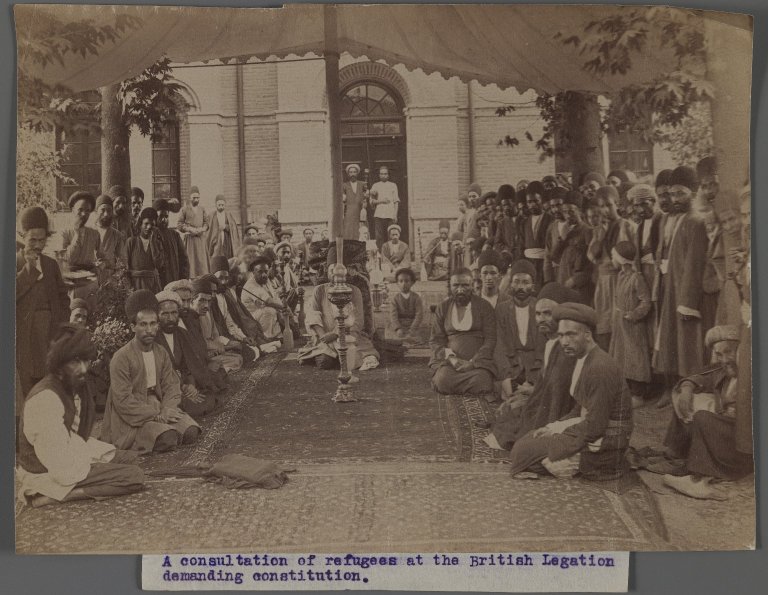
در تیر ۱۲۸۵، پس از درگیری تازه و کشتهشدن یک طلبه، گروهی از علما به قم مهاجرت کردند و شمار زیادی از بازاریان و فعالان به محوطهٔ سفارت بریتانیا پناه بردند. برآورد ایرانیکا میگوید جمعیت بست از حدود پنجاه نفر در ۱۹ ژوئیه به نزدیک چهارده هزار نفر در دوم اوت رسید. آشپزخانه، چادرها و گفتوگوهای روزانه، آن محوطه را به فضای آموزش سیاسی تبدیل کرد. مطالبهٔ عدالتخانه در همین گفتوگوها به مجلس ملی و قانون اساسی نزدیک شد.
نقش سفارت نیازمند دقت است. پناهدادن بریتانیا از معترضان در برابر حملهٔ فوری حکومت حفاظت کرد و اهرم فشار ساخت. اسناد پژوهشی، رهبری رسمی جنبش از سوی مقامهای بریتانیایی را تأیید نمیکنند. کنشگران ایرانی خواستهها و سازمان خود را داشتند؛ همزمان حضور در قلمرو یک قدرت خارجی، تصویری از ضعف حاکمیت و رقابت امپراتوریها به جا گذاشت. هر دو واقعیت باید کنار هم دیده شوند.
How the protests of 1905 and 1906 expanded
The immediate escalation began on 12 December 1905. Ala al-Dawla, governor of Tehran, ordered the bastinado of two sugar merchants and several others for alleged price manipulation. Sugar prices had risen amid the Russo-Japanese War, trade disruption and fiscal stress. The punishment placed responsibility for a structural crisis on merchants. Tehran’s bazaar closed the next day. About two thousand people sought sanctuary at Shah Abd al-Azim and demanded a “house of justice.” A royal rescript promised one in January 1906, but implementation stalled.
A new confrontation in July, including the death of a theology student, drove leading clerics towards Qom and many merchants and activists into sanctuary at the British Legation. Encyclopaedia Iranica estimates that the crowd grew from about fifty on 19 July to roughly fourteen thousand by 2 August. Tents, communal kitchens and daily discussion turned the grounds into a political classroom. The initial demand for a justice house evolved towards a national assembly and constitutional government.
Britain’s role requires precision. Sanctuary protected protesters from an immediate assault and created leverage over the court. The historical evidence does not establish formal British direction of the movement. Iranian organisers supplied their own demands and networks. Yet gathering inside a foreign legation also exposed Iran’s limited sovereignty and the presence of imperial rivalry. Both conditions shaped the episode.
کتاب مرتبط با روزهای اعتراض
تاریخ بیداری ایرانیان؛ دورهٔ دو جلدی
رخدادها، نشستها، شایعات و چهرههای جنبش را از فاصلهای نزدیک ثبت کرده است. ارزش کتاب در جزئیات روزانه است؛ داوریهای نویسنده نیز بخشی از نگاه زمانهٔ اوست و باید با منابع دیگر سنجیده شود.
Nazem al-Islam Kermani records meetings, rumours, personalities and daily developments from close range. Its detail is invaluable, while the author’s judgements still require comparison with other evidence.
۱۴ مرداد، ۱۸ مرداد و دو متن متفاوت
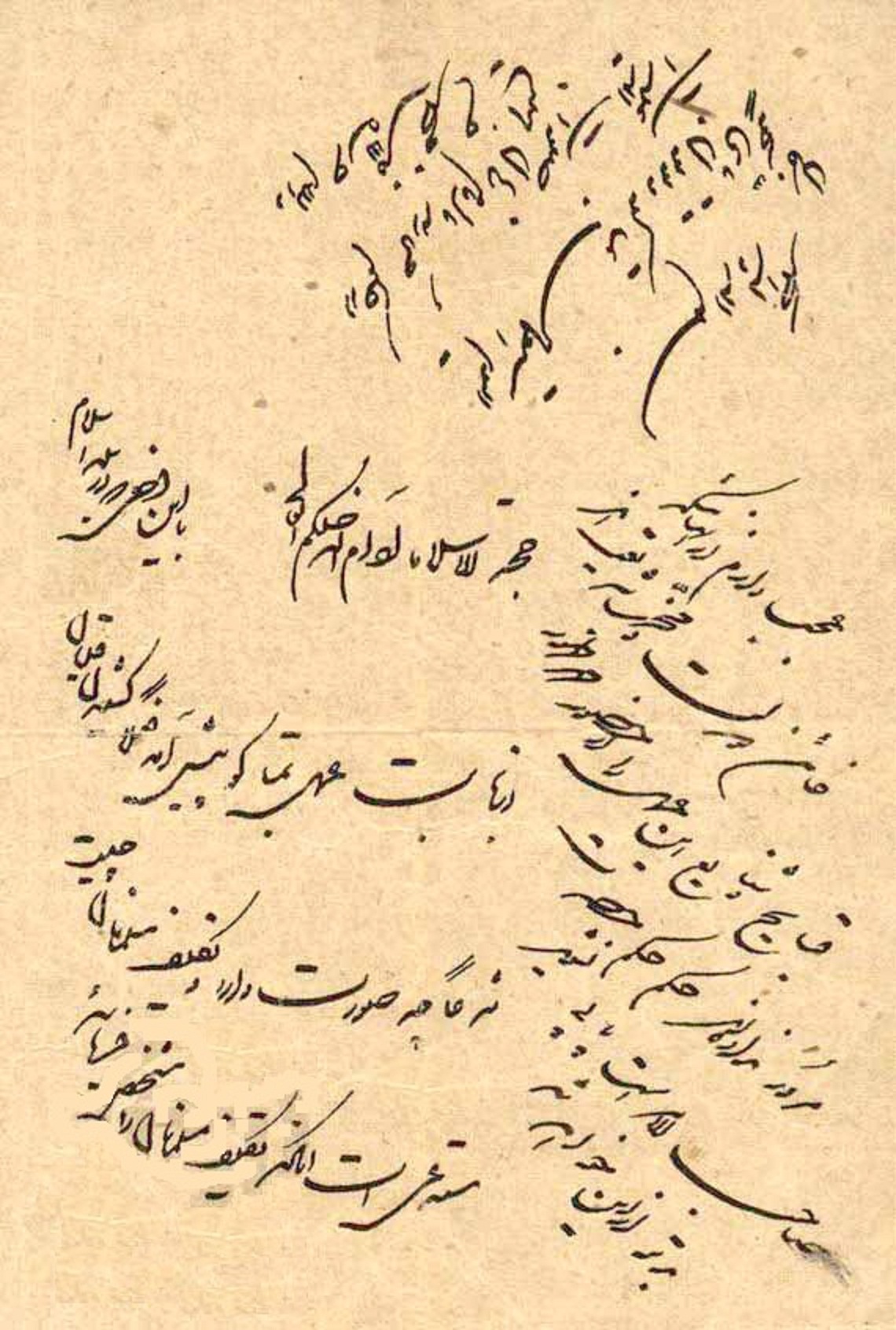
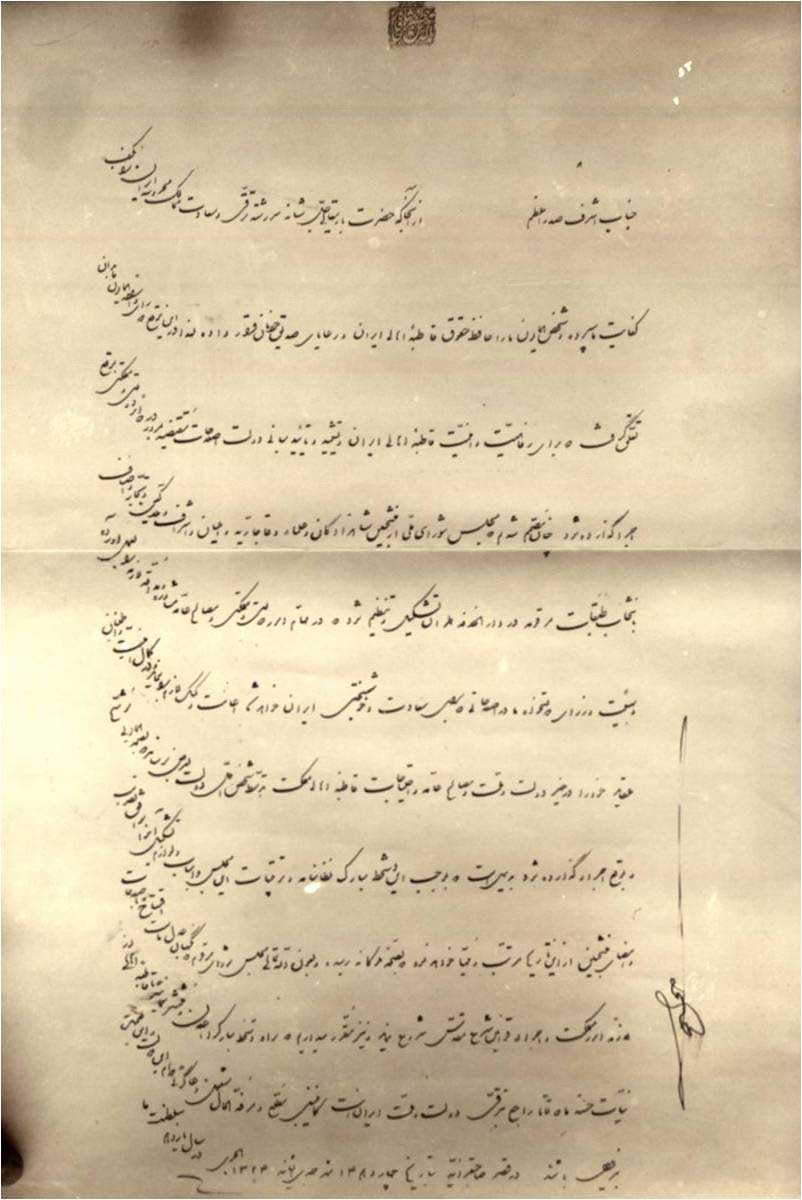
تاریخ مشهور فرمان مشروطه ۱۴ مرداد ۱۲۸۵ است که در تبدیل رایج با ۵ اوت ۱۹۰۶ برابر میشود. متن فرمان مظفرالدینشاه اجازهٔ تشکیل مجلسی از شاهزادگان، علما، اعیان، بازرگانان و اصناف را میداد تا دربارهٔ امور دولت و ملت مشورت کند. متن نخست واژهٔ «ملی» را روشن به کار نبرد و حدود نمایندگی را دقیق نکرد. فعالان آن را مبهم دیدند و خواهان اصلاح شدند.
فرمان تکمیلی ۱۸ مرداد، برابر با ۱۰ اوت، نام «مجلس شورای ملی» را صریح کرد و راه تدوین نظامنامهٔ انتخابات را گشود. جداکردن این دو سند اهمیت دارد: ۱۴ مرداد نقطهٔ نمادین پذیرش اصل مجلس است؛ ۱۸ مرداد پاسخ به نقد متن نخست و تأکید بر ماهیت ملی مجلس. گاهی روایتهای کوتاه جزئیات هر دو را زیر یک تاریخ جمع میکنند.
فرمان هنوز قانون اساسی کامل نبود. قواعد انتخابات در ۱۷ شهریور امضا شد؛ انتخابات تهران در ۷ مهر آغاز شد؛ مجلس در ۱۵ مهر با حضور شاه گشایش یافت؛ و قانون اساسی در ۸ دی، چند روز پیش از مرگ مظفرالدینشاه، به امضا رسید. بنابراین «روز مشروطه» آغاز یک فرایند حقوقی بود، نه پایان آن.
5 August, 10 August, and two distinct texts
The celebrated date of the Constitutional Decree is 14 Mordad 1285, commonly converted as 5 August 1906. Muzaffar al-Din Shah’s text authorised an assembly drawn from princes, clerics, notables, merchants and guilds to consult on affairs of state and nation. It did not clearly use “national” in naming the institution and left the character of representation uncertain. Activists rejected the ambiguity and pressed for revision.
A supplementary decree on 10 August explicitly named the “National Consultative Assembly” and cleared the way for electoral regulations. Distinguishing the texts matters. The first date marks royal acceptance of an assembly; the second records a successful demand to define its national character. Condensed narratives often merge the contents under one anniversary.
The decree itself was not a complete constitution. Electoral rules were signed on 8 September; Tehran’s election opened on 29 September; the Majles formally opened on 7 October; and the Fundamental Law was signed on 30 December, shortly before the shah’s death. The anniversary therefore marks the beginning of a legal process.
کتاب مرتبط با خط زمانی مشروطه
تاریخ مشروطهٔ ایران
رویدادهای تهران، تبریز و شهرهای دیگر را با اسناد و خاطرهٔ شاهدان بازسازی میکند. زبان و داوریهای او به دورهٔ خودش تعلق دارند، اما کتاب هنوز یکی از دروازههای اصلی ورود به تاریخ جنبش است.
Ahmad Kasravi reconstructs events in Tehran, Tabriz and other cities through documents and witness memories. His language and judgements belong to his era, yet the work remains a central entry point into the movement’s chronology.
مجلس اول چه کسانی را نمایندگی میکرد؟
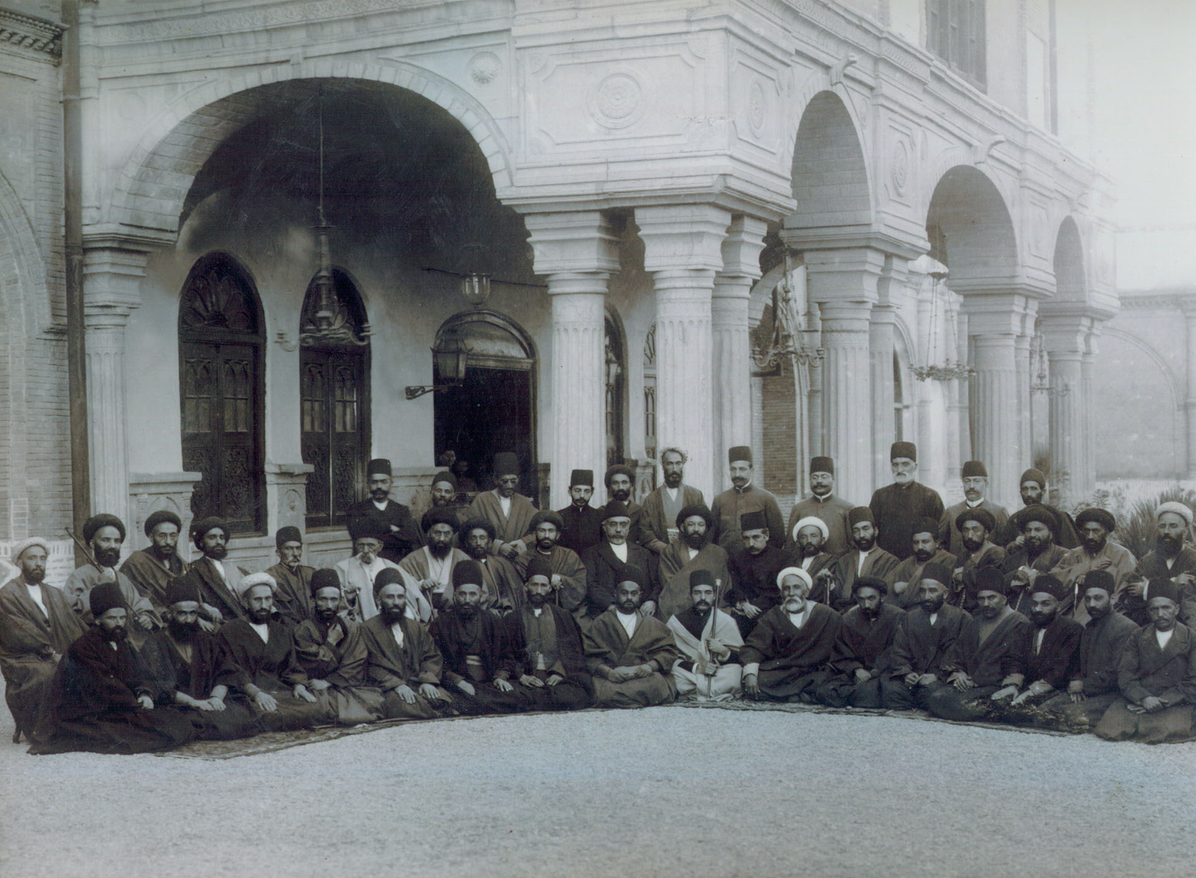
نظامنامهٔ نخست برای ۱۵۶ نماینده طراحی شد. تهران شصت کرسی داشت: سیودو کرسی برای اصناف، ده کرسی برای بازرگانان، ده کرسی برای مالکان، چهار کرسی برای علما و چهار کرسی برای خاندان قاجار. حق رأی مردان به طبقات معین، حداقل سن بیستوپنج سال و شرایط دارایی یا جایگاه صنفی وابسته بود. روستاییان، کارگران بیصنف، تهیدستان، زنان و بسیاری از اقلیتهای اجتماعی سهم مستقیمی نداشتند. مجلس در زبان قانون «نمایندهٔ تمام مردم» خوانده شد، اما سازوکار انتخاب از این ادعا عقبتر بود.
با همین محدودیت، مجلس اول عرصهٔ تازهای ساخت. نمایندگان دربارهٔ بودجه، وام خارجی، امتیازهای اقتصادی، مالیات و مسئولیت وزیران بحث کردند. قانون اساسی ۸ دی ۱۲۸۵ وجود دو مجلس، اعتبارنامهٔ نمایندگان، علنیبودن مذاکرات و نقش مجلس در قانونگذاری و مالیه را تعیین کرد. مواد ۱۸ و ۲۲ تا ۲۵، تصویب بودجه، فروش منابع، امتیازها، قراردادها و وامهای دولتی را به نظر مجلس وابسته میکردند. این مواد پاسخی مستقیم به بحران امتیازها و بدهیهای پیش از انقلاب بودند.
متمم ۱۵ مهر ۱۲۸۶ لایهٔ حقوقی گستردهتری افزود. اصل هشتم بر برابری اهالی مملکت در برابر قانون تأکید کرد؛ اصول نهم تا هفدهم از جان، مال، مسکن، مکاتبات و دادرسی قانونی سخن گفتند؛ اصل بیستوششم منشأ قوای مملکت را ملت دانست؛ و اصول بیستوهفتم و بیستوهشتم قوا را تفکیک کردند. اصل سیوپنجم سلطنت را ودیعهای معرفی کرد که از جانب ملت به شاه واگذار میشود.
تنش درون متن نیز آشکار بود. اصل دوم متمم، هیئتی از دستکم پنج مجتهد را برای سنجش قوانین با شرع پیشبینی کرد. اصول بیستم و بیستویکم آزادی مطبوعات و انجمنها را پذیرفتند، اما قیود دینی و نظم عمومی گذاشتند. شاه طبق اصل چهلوچهارم از مسئولیت سیاسی مبرا بود و وزیران پاسخگو بودند؛ در عین حال فرماندهی قوا و انتصابهایی مهم در اختیار سلطنت ماند. قانون اساسی میدان مصالحه و کشمکش بود.
Whom did the First Majles represent?
The first electoral regulations provided for 156 deputies. Tehran received sixty seats: thirty-two for guilds, ten for merchants, ten for landowners, four for clerics and four for the Qajar family. Male voters faced a minimum age of twenty-five and property, occupational or status qualifications. Rural people, unorganised workers, the poor, women and many social minorities lacked direct representation. The Fundamental Law described the Majles as representing the whole people, while the electoral mechanism fell short of that claim.
Even within these limits, the First Majles created a new arena. Deputies debated budgets, foreign loans, concessions, taxation and ministerial responsibility. The Fundamental Law of 30 December 1906 established two chambers, rules for credentials, public deliberation, legislation and fiscal scrutiny. Articles 18 and 22–25 subjected budgets, disposal of resources, concessions, treaties and public loans to parliamentary approval. They directly answered the pre-revolutionary experience of debt and concessionary government.
The Supplementary Fundamental Laws of 7 October 1907 widened the legal architecture. Article 8 proclaimed equality before state law. Articles 9–17 addressed security of life, property, home, correspondence and lawful trial. Article 26 located the powers of the realm in the nation; Articles 27 and 28 separated the branches of government. Article 35 described sovereignty as a trust conferred on the monarch by the people.
The text also preserved a deep constitutional tension. Supplementary Article 2 created a committee of at least five senior religious jurists to review legislation for conformity with Islam. Articles 20 and 21 recognised press and associational freedoms subject to religious and public-order limitations. Article 44 made ministers politically responsible and exempted the monarch, while significant appointments and command powers remained royal. The constitution recorded a negotiated balance and the conflicts within it.
| حوزه | آنچه قانون پیش برد | محدودیت یا تعارض |
|---|---|---|
| نمایندگی | مجلس به نام تمام مردم سخن میگفت | انتخابات طبقاتی، مردانه و وابسته به دارایی بود |
| مالیه | بودجه، وام و امتیاز نیازمند تصویب مجلس شد | دولت ضعیف و فشار خارجی اجرای نظارت را محدود کردند |
| حقوق | برابری قانونی، امنیت جان و مال و دادرسی مطرح شد | زبان حقوق، برابری جنسیتی و مذهبی کامل را تضمین نکرد |
| تفکیک قوا | قوای مقننه، مجریه و قضائیه تعریف شدند | اختیارات سلطنت و نظارت شرعی محل مناقشه ماند |
| Field | Constitutional advance | Limit or conflict |
|---|---|---|
| Representation | The Majles spoke in the name of the whole people | Voting remained male, class-based and property-qualified |
| Finance | Budgets, loans and concessions required parliamentary approval | A weak state and foreign pressure restricted enforcement |
| Rights | Legal equality, security and due process entered the text | The language did not guarantee full gender or religious equality |
| Separation of powers | Legislative, executive and judicial functions were defined | Royal prerogatives and clerical review remained contested |
دو خوانش برای متن و زمینهٔ قانون
مشروطهٔ ایرانی
ماشاالله آجودانی نشان میدهد مفاهیمی مانند ملت، آزادی، قانون و مشروعیت هنگام ورود به زبان سیاسی ایران چگونه ترجمه و بازتفسیر شدند. کتاب برای خواندن اختلافهای درونی متن قانون اساسی مفید است.
Mashaallah Ajoudani studies how nation, liberty, law and legitimacy were translated and reinterpreted in Iranian political language. It helps readers examine tensions inside the constitutional text.
تاریخ ایران مدرن
رابطهٔ دولت، طبقات، بازار، روحانیت و جنبشهای سیاسی را در یک روایت بلندمدت قرار میدهد. کتاب کمک میکند مواد قانون اساسی را کنار نیروهای اجتماعیِ حامل و مخالف آن بخوانیم.
Ervand Abrahamian places state, class, bazaar, clergy and political movements within a long narrative. The book connects constitutional provisions with the social forces that carried or resisted them.
زنان در جنبش؛ حضور اجتماعی و حذف انتخاباتی
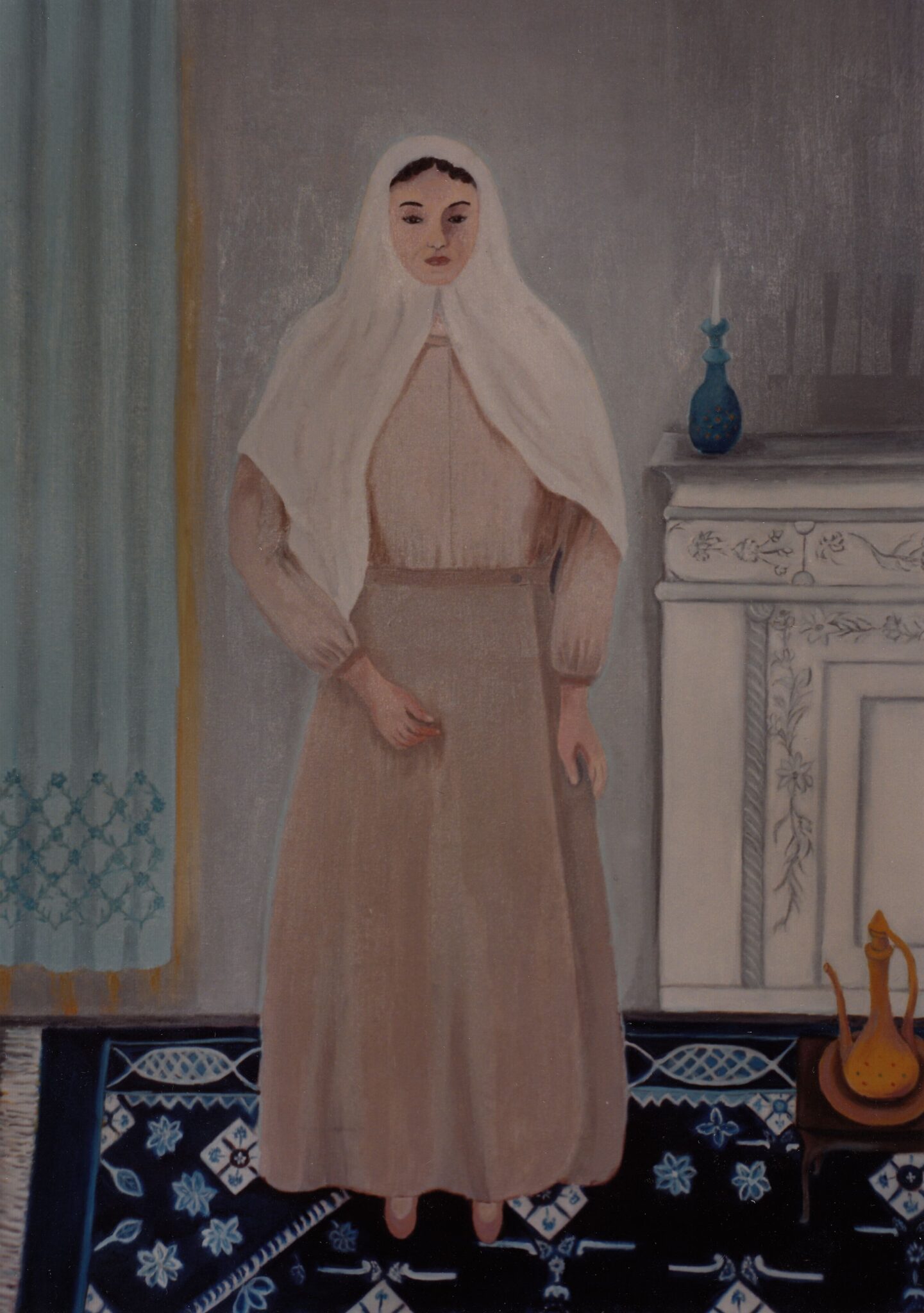
زنان پیش از ۱۲۸۵ تجربهٔ کنش جمعی داشتند. مشارکت در تحریم تنباکو، نامهنگاری، پشتیبانی مالی از اعتراضها و حضور در شبکههای خانوادگی و بازار، آنان را به بخشی از فضای سیاسی بدل کرده بود. بیبیخانم استرآبادی در «معایبالرجال» پاسخ طنزآمیزی به رسالههای زنستیز داد. این نوشته پیش از صدور فرمان مشروطه بود و نشان میدهد بحث آموزش، ازدواج و جایگاه زنان از بطن جامعه برخاسته بود.
پس از گشایش فضای سیاسی، انجمنهای زنان شکل گرفتند. اعضا برای تأسیس مدارس دخترانه، کلاس بزرگسالان، درمانگاه، یتیمخانه، مصرف کالای ایرانی و تأمین سرمایهٔ بانک ملی فعالیت کردند. ایرانیکا گزارش میدهد از اوت ۱۹۰۶ تا آوریل ۱۹۱۰ پنجاه مدرسهٔ دخترانه در تهران ایجاد شد؛ بیشترشان خصوصی و آسیبپذیر بودند. انجمن آزادی زنان در ۱۹۰۷ و انجمن مخدرات وطن در ۱۹۱۰ از نمونههای شناختهشدهاند.
قانون انتخابات شهریور ۱۲۸۵ زنان را از رأیدادن و نمایندگی کنار گذاشت. این حذف با فعالیت اجتماعی آنان تناقض آشکار داشت. شماری از زنان در نامهها و عریضهها پرسیدند چرا پرداخت مالیات، کمک مالی و دفاع از کشور وظیفهٔ آنان شمرده میشود، اما حق سیاسی ندارند. در جریان بحرانها، گزارشهایی از پنهانکردن سلاح زیر چادر، شرکت در تظاهرات و پشتیبانی از مجاهدان وجود دارد؛ جزئیات هر روایت به درجهٔ متفاوتی مستند شده و نباید همه را یکسان قطعی دانست.
دستاوردهای آموزشی نیز زیر فشار قرار داشتند. مدارس با اتهام مخالفت با شرع، کمبود پول و نبود حفاظت دولتی روبهرو بودند. با این حال، فعالیتهای زنان مرز شهروندی را جابهجا کرد. پرسش رأی، آموزش و حضور عمومی بعد از پایان دورهٔ مشروطه باقی ماند و در جنبشهای بعدی دوباره طرح شد.
Women in the movement: social presence and electoral exclusion
Iranian women had experience of collective action before 1906. Participation in the Tobacco boycott, correspondence, fundraising and family and bazaar networks brought them into an expanding political sphere. Bibi Khanom Astarabadi’s satirical Ma’ayeb al-Rejal answered misogynistic conduct literature. Written before the Constitutional Decree, it shows that education, marriage and women’s standing were already matters of social debate.
The post-decree opening encouraged women’s associations. Members founded girls’ schools, adult classes, clinics and orphanages; promoted Iranian goods; and raised money for the proposed national bank. Encyclopaedia Iranica reports that fifty girls’ schools appeared in Tehran between August 1906 and April 1910. Most were privately financed and vulnerable. The Freedom of Women Association in 1907 and the Ladies of the Homeland in 1910 became prominent examples.
The September 1906 electoral law excluded women from voting and office. Their civic activity made that exclusion conspicuous. Women petitioners asked why taxation, fundraising and defence of the country could be treated as duties while political rights were withheld. Accounts describe women concealing weapons, joining demonstrations and supporting constitutionalist fighters. The evidentiary basis varies across individual stories, so each requires separate assessment.
Educational gains remained precarious. Schools faced accusations of religious impropriety, chronic shortage of funds and limited state protection. Their work nevertheless shifted the boundary of citizenship. Questions of suffrage, education and public participation survived the constitutional period and returned in later movements.
کتاب مرتبط با تاریخ زنان قاجار
تاریخ اجتماعی زنان در عصر قاجار
زندگی روزمره، آموزش، خانواده و حضور اجتماعی زنان قاجار را بررسی میکند. این زمینه مانع آن میشود که فعالیت زنان مشروطه را رخدادی جدا از تغییرهای بلندمدت جامعه ببینیم.
Somayeh Sadat Shafiei examines everyday life, education, family and public participation. The context places constitutional-era activism within longer social changes.
مطبوعات، تلگراف و ساختن فضای عمومی
پیش از مشروطه، سانسور و محدودیت چاپ عرصهٔ عمومی را کوچک نگه میداشت. پس از فرمان، کنترل مرکزی برای مدتی فروریخت و روزنامهها در تهران، تبریز، رشت، اصفهان و بیرون از ایران افزایش یافتند. شمار دقیق محل اختلاف است. یک برآورد برای ۱۹۰۷ از هفتادودو نشریه سخن میگوید و ادوارد براون هشتادوچهار عنوان برشمرده است. بسیاری عمر کوتاه، تیراژ محدود یا انتشار نامنظم داشتند؛ اختلاف عدد، بخشی از وضعیت ناپایدار مطبوعات است.
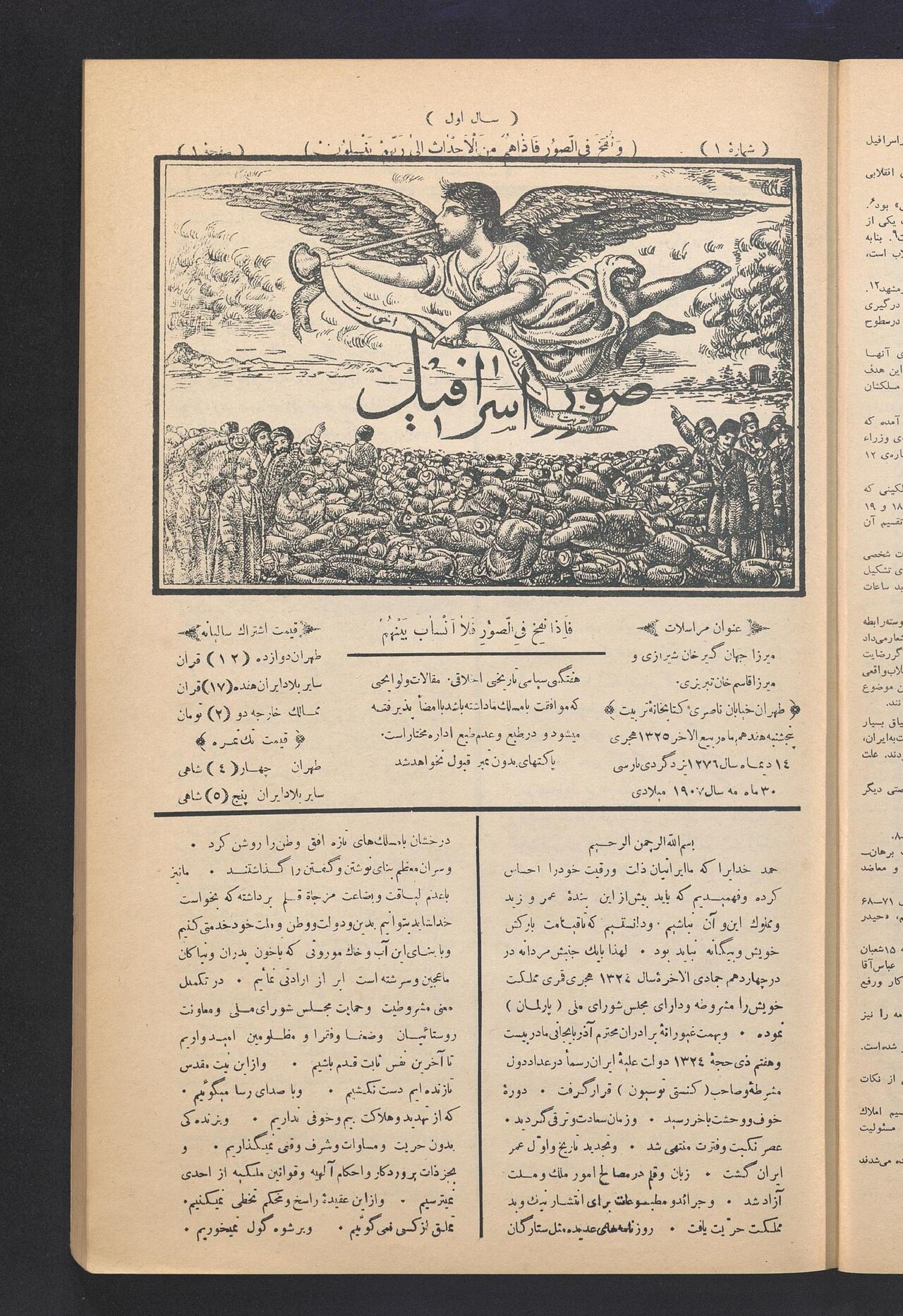
صوراسرافیل از اثرگذارترین نمونهها بود. میرزا جهانگیرخان شیرازی و قاسمخان تبریزی آن را بنیاد گذاشتند و علیاکبر دهخدا در مقام نویسنده و سردبیر نقش اصلی گرفت. ستون «چرند و پرند» با زبان گفتاری، شخصیتهای خیالی و طنز تند، واژههای قانون، نمایندگی، فساد و برابری را از گفتار رسمی بیرون آورد. گزارشی همزمان تیراژ برخی شمارهها را بیستوچهار هزار دانسته است؛ این رقم را باید گزارش منبع دانست، نه شمارش مستقل.
تلگراف نیز زیرساخت سیاسی بود. انجمنهای ایالتی خبر را به تهران میفرستادند، بازارها اعتصابها را هماهنگ میکردند و شایعات با سرعت پخش میشدند. دسترسی نابرابر بود و دولت یا نیروهای نظامی میتوانستند خطوط را کنترل کنند. با این حال، زمان سیاست تغییر کرد: واکنش شهرها به تصمیم پایتخت از هفتهها به روزها یا ساعتها رسید.
اصل سیزدهم قانون اساسی علنیبودن مذاکرات مجلس و حضور روزنامهنگاران و تماشاگران را پذیرفت. اصل بیستم متمم آزادی مطبوعات را بیان کرد و برای نوشتههای مخالف دین محدودیت گذاشت. فاصلهٔ میان آزادی اعلامشده و سرکوب بعدی، به یکی از شاخصهای سنجش حکومت قانون تبدیل شد.
Press, telegraph, and the construction of a public sphere
Censorship and printing restrictions had constrained public discussion before the revolution. Central control weakened after the decree, and newspapers multiplied in Tehran, Tabriz, Rasht, Isfahan and émigré centres. The total remains disputed. One contemporary estimate counted seventy-two papers in 1907; E. G. Browne listed eighty-four. Many appeared briefly, circulated in small numbers or published irregularly. Numerical uncertainty reflects the unstable press environment itself.
Sur-e Esrafil became one of the most influential titles. Mirza Jahangir Khan Shirazi and Qasem Khan Tabrizi founded it, while Ali-Akbar Dehkhoda served as a leading writer and editor. His “Charand-o Parand” columns used vernacular speech, fictional voices and sharp satire to carry arguments about law, representation, corruption and equality beyond formal prose. A contemporary account placed circulation of some issues at 24,000; this is a source-reported estimate, and no independent audit survives.
The telegraph supplied political infrastructure. Provincial associations addressed Tehran, bazaars coordinated strikes, and rumours moved rapidly. Access was unequal, and governments or military forces could control the lines. Political time nevertheless changed: cities could react to capital decisions in days or hours instead of weeks.
Article 13 of the Fundamental Law opened parliamentary deliberations to journalists and spectators. Supplementary Article 20 recognised press freedom while restricting publications deemed contrary to religion. The distance between promised liberty and subsequent repression became a practical measure of constitutional government.
کتاب مرتبط با طنز و زبان سیاسی
چرند و پرند
نوشتههای دهخدا نمونهای زنده از پیوند روزنامهنگاری، طنز و آموزش سیاسیاند. خواندن کتاب کنار نسخههای صوراسرافیل نشان میدهد زبان عامه چگونه وارد بحث قانون و مسئولیت شد.
Dehkhoda’s columns join journalism, satire and civic education. Read beside the newspaper pages, they show how vernacular language entered arguments about law and responsibility.
محمدعلیشاه و توپبندی مجلس
محمدعلیشاه در دی ۱۲۸۵ به سلطنت رسید و رابطهاش با مجلس از ابتدا پرتنش بود. بر سر مسئولیت وزیران، بودجه، دربار، انجمنها و حدود قدرت سلطنت اختلاف وجود داشت. قرارداد ۱۹۰۷ روس و انگلیس، ایران را به حوزههای نفوذ تقسیم کرد و فضای مانور دولت مشروطه را تنگتر ساخت. روسیه از شاه و بریگاد قزاق پشتیبانی میکرد؛ بریتانیا پس از توافق با روسیه سیاست محتاطانهتری در پیش گرفت.
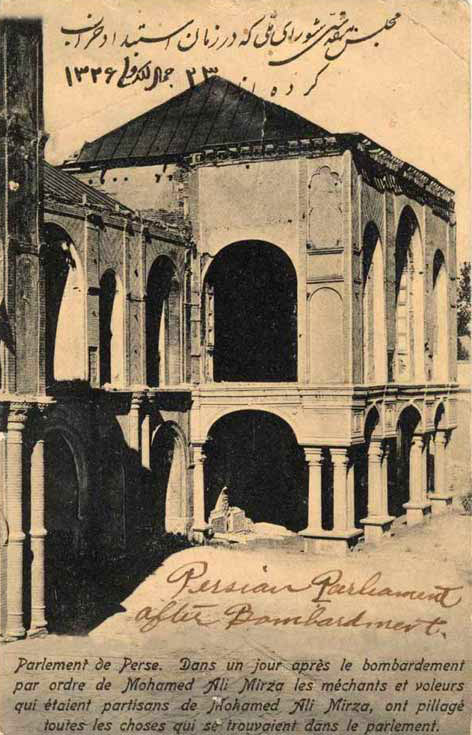
در ۲ تیر ۱۲۸۷، برابر با ۲۳ ژوئن ۱۹۰۸، بریگاد قزاق به فرماندهی کلنل ولادیمیر لیاخوف ساختمان مجلس و اطراف بهارستان را با توپ زد. درگیری چند ساعت طول کشید و نیروهای طرفدار شاه کنترل پایتخت را گرفتند. رقم قطعی کشتهها در منابع همسان نیست. نتیجهٔ سیاسی روشن بود: مجلس تعطیل، انجمنها سرکوب و دورهای که در تاریخنگاری «استبداد صغیر» نام گرفته آغاز شد.
میرزا جهانگیرخان صوراسرافیل و ملکالمتکلمین در باغشاه اعدام شدند. سید جمالالدین واعظ اصفهانی بعدتر به قتل رسید. نمایندگان و روزنامهنگاران بازداشت، تبعید یا مخفی شدند. این سرکوب نشان داد که وجود متن قانون بدون نیروی اجرایی، بودجهٔ مستقل، فرماندهی پاسخگو و حمایت اجتماعی نمیتواند از نهادها محافظت کند.
توپبندی را میتوان نخستین آزمون بزرگ نظم تازه دانست. ارتش منظم ملی در اختیار مجلس نبود، ساختار قضایی استقلال کافی نداشت و قدرتهای خارجی منافع خود را بر بقای قانون مقدم میگذاشتند. شکست تهران به معنای پایان جنبش نشد؛ مرکز مقاومت به شهرها، بهویژه تبریز، منتقل شد.
Mohammad Ali Shah and the bombardment of parliament
Mohammad Ali Shah ascended the throne in January 1907, and conflict with the Majles developed quickly. Ministerial responsibility, the budget, court expenditure, political associations and the boundaries of monarchy remained disputed. The Anglo-Russian Convention of 1907 divided Iran into spheres of influence and further restricted constitutional government. Russia supported the shah and the Cossack Brigade; Britain adopted a more cautious posture after reaching its agreement with Russia.
On 23 June 1908, the Cossack Brigade under Colonel Vladimir Liakhov shelled the Majles building and the Baharestan district. Fighting continued for several hours before royal forces secured the capital. Sources do not agree on a definitive death toll. The political outcome is clear: parliament closed, associations were suppressed, and the period remembered as the “Minor Tyranny” began.
Mirza Jahangir Khan Sur-e Esrafil and Malek al-Motakallemin were executed at Bagh-e Shah. Sayyed Jamal al-Din Vaez Esfahani was later murdered. Deputies and journalists were arrested, exiled or forced into hiding. The repression demonstrated the weakness of a legal text without independent enforcement, secure finances, accountable command and organised social protection.
The bombardment became the constitutional order’s first existential test. Parliament possessed no national force under its command, the judiciary lacked independence, and foreign powers placed their interests above constitutional survival. Defeat in Tehran shifted the centre of resistance to the provinces, especially Tabriz.
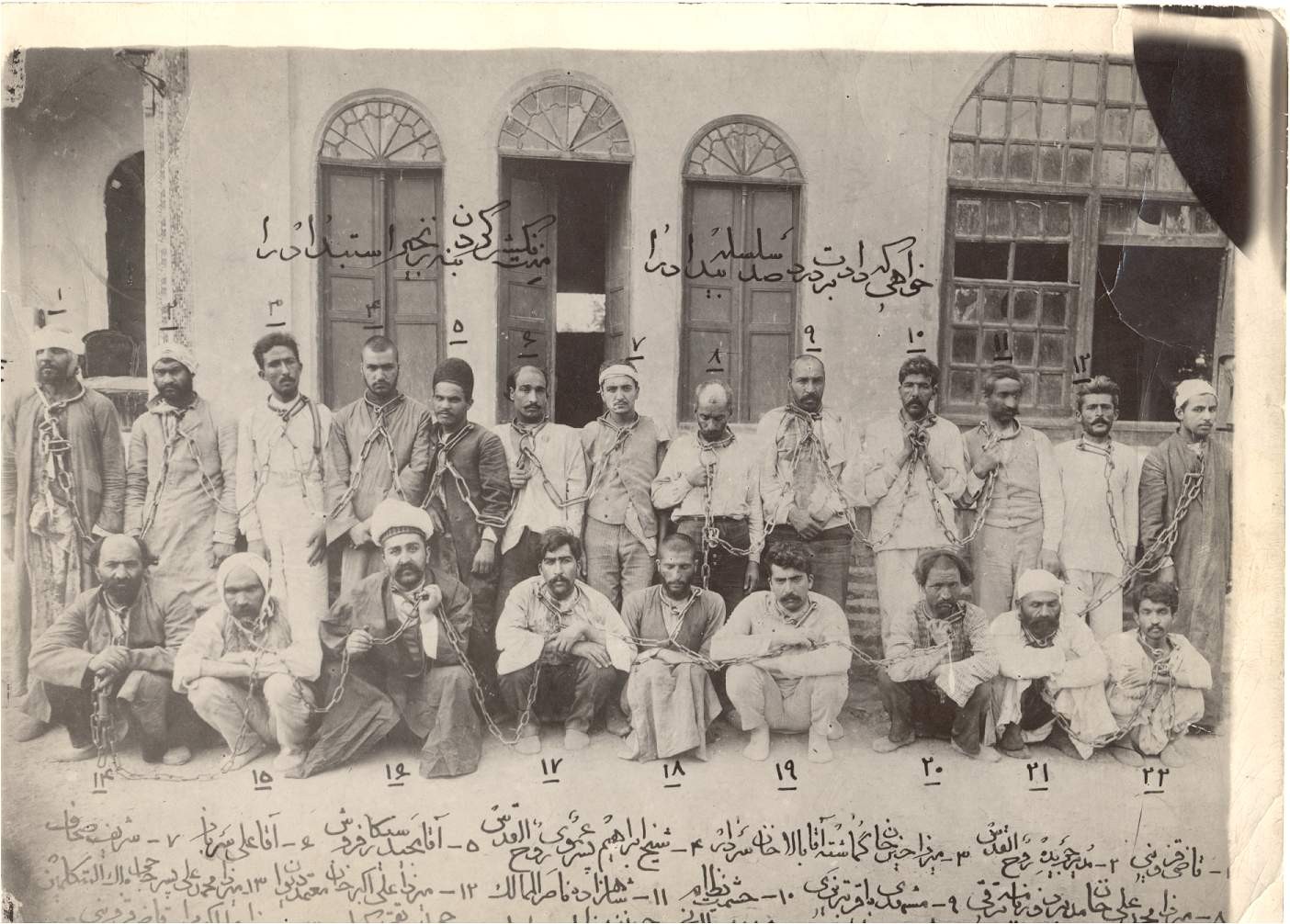
تبریز؛ مقاومت، محاصره و هزینهٔ انسانی
تبریز پیش از کودتا انجمن ایالتی فعال، شبکهٔ بازرگانی، پیوند با قفقاز و مطبوعات پرتحرکی داشت. پس از بستهشدن مجلس، محلههای شهر به دو اردوگاه تقسیم شدند. ستارخان و باقرخان در میان نیروهای مشروطهخواه جایگاه رهبری یافتند. جنگ خیابانی از تابستان ۱۲۸۷ ادامه پیدا کرد و راههای تدارکاتی شهر زیر فشار نیروهای طرفدار شاه قرار گرفت.
در زمستان ۱۲۸۷ و بهار ۱۲۸۸ محاصره شدیدتر شد. کمبود غله، بیماری و گرانی به مردم غیرنظامی آسیب زد. گزارشهای کنسولی و خاطرات شاهدان از خوردن علوفه و مرگ بر اثر گرسنگی سخن میگویند؛ آمار جامع و مورد توافقی برای قربانیان محاصره وجود ندارد. این فقدان عدد، دلیل کوچکشمردن رنج نیست. منابع برای گروههای رزمی دقیقتر از خانوادههای فقیر و محلههای دورتر ثبت شدهاند.
در آوریل ۱۹۰۹ نیروی روسیه با عنوان حفاظت از اتباع خارجی و گشودن راه وارد منطقه شد. ورود روسها محاصره را شکست، اما استقلال جنبش را تهدید کرد و کنترل سیاسی تازهای بر آذربایجان تحمیل کرد. ستارخان و باقرخان سرانجام به تهران رفتند؛ درگیری پارک اتابک در ۱۲۸۹ و خلع سلاح مجاهدان، رابطهٔ دشوار دولت مرکزیِ احیاشده با نیروهای انقلاب را آشکار کرد.
تبریز معنای جغرافیایی مشروطه را تغییر داد. جنبشی که در روایتهای کوتاه با فرمان شاه در تهران تعریف میشود، بقای خود را مدیون سازمان شهری و مقاومت استانی بود. همین امر مسئلهٔ انجمنهای ایالتی، تمرکز قدرت و سهم استانها در تصمیمگیری ملی را به مرکز بحث آورد.
Tabriz: resistance, siege, and human cost
Before the coup, Tabriz had an active provincial council, extensive commercial networks, links across the Caucasus and a vigorous press. After the Majles closed, neighbourhoods divided between royalist and constitutionalist forces. Sattar Khan and Baqer Khan emerged as leaders of the resistance. Street fighting continued from the summer of 1908, and royalist forces tightened control over supply routes.
The siege deepened during the winter of 1908–09 and the following spring. Grain shortages, disease and inflation harmed civilians. Consular reports and memoirs describe people eating fodder and dying of hunger, but no comprehensive and agreed casualty count survives. Absence of a settled number does not reduce the suffering. Combatant groups were recorded more systematically than poor families in peripheral neighbourhoods.
A Russian column entered the region in April 1909 under the stated purpose of protecting foreign nationals and opening the road. The intervention relieved the siege while threatening the movement’s autonomy and imposing new external control over Azerbaijan. Sattar Khan and Baqer Khan later moved to Tehran. The 1910 confrontation at Atabak Park and the disarming of fighters exposed the restored central government’s difficult relationship with revolutionary forces.
Tabriz changed the geography of constitutional history. A movement commonly narrated through a royal decree in Tehran survived through provincial urban organisation and armed resistance. Provincial councils, centralisation and the place of regions in national decision-making moved to the centre of debate.
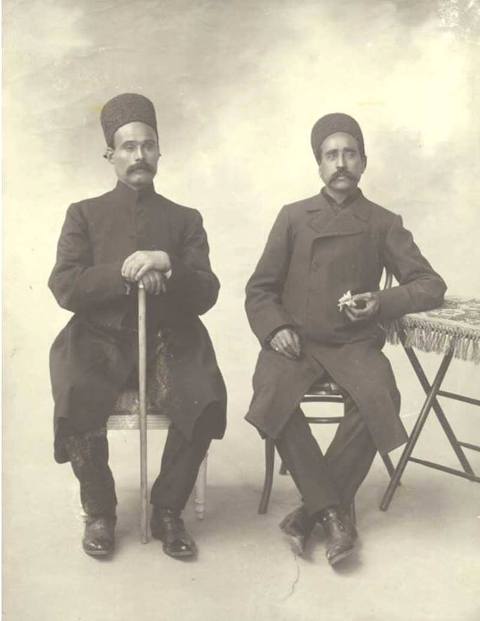
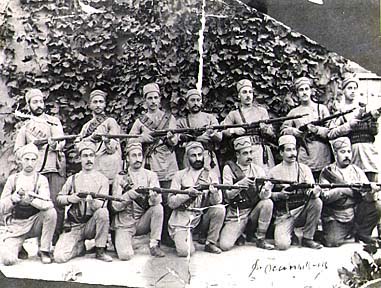
فتح تهران و بازگشت نظم مشروطه
مقاومت تبریز تنها جبههٔ ضد استبداد نبود. در گیلان، نیروهای مشروطهخواه رشت را در زمستان ۱۲۸۷ به دست گرفتند. در جنوب، سردار اسعد بختیاری و نیروهای بختیاری به سوی مرکز حرکت کردند. دو ستون در تیر ۱۲۸۸ به تهران نزدیک شدند و در ۲۲ تیر وارد شهر شدند. درگیری چند روز ادامه یافت. محمدعلیشاه در ۲۵ تیر به سفارت روسیه پناه برد.
مجلس عالی متشکل از نمایندگان گروههای سیاسی، علما و بزرگان، محمدعلیشاه را خلع کرد و پسر خردسالش احمدمیرزا را به سلطنت نشاند. عضدالملک نایبالسلطنه شد. این تصمیم یک تناقض مهم داشت: جنبش برای حاکمیت قانون، تغییر سلطنت را از راه مجمعی اضطراری انجام داد که از انتخابات سراسری نیامده بود. شرایط جنگی انتخابها را محدود کرده بود، اما همین سابقه نشان میدهد انتقال قدرت در بحران به قواعد شفاف نیاز دارد.
قانون انتخابات در ژوئیهٔ ۱۹۰۹ اصلاح شد و صورت طبقاتیِ دورهٔ نخست کاهش یافت. مجلس دوم در ۱۵ نوامبر گشایش یافت. نمایندگی هنوز مردانه بود و نابرابریهای جغرافیایی و اقتصادی ادامه داشت. در ۲۱ نوامبر ۱۹۱۱ اصل رأی عمومی مردان تصویب شد؛ زنان همچنان بیرون ماندند. بازگشت مجلس قدمی واقعی بود، ولی دولت مرکزی با خزانهٔ خالی، ارتش چندپاره، نیروهای مسلح محلی و فشار روس و انگلیس روبهرو بود.
فتح تهران افسانهٔ پیروزی آسان تولید نمیکند. ائتلاف پیروز از بازرگانان، روشنفکران، مجاهدان قفقازی، نیروهای گیلان، بختیاریها، روحانیان و سیاستمداران تشکیل شده بود. هدفهای آنان یکسان نبود. اختلاف دربارهٔ خلع سلاح، تمرکز قدرت، مجازات عاملان کودتا و سهم گروهها خیلی زود آشکار شد.
The capture of Tehran and restoration of constitutional rule
Tabriz was not the only front against royal absolutism. Constitutionalist forces seized Rasht during the winter of 1908–09. In the south, Sardar Asad Bakhtiari led Bakhtiari forces towards the capital. The northern and southern columns entered Tehran on 13 July 1909, and fighting continued for several days. Mohammad Ali Shah sought refuge in the Russian Legation on 16 July.
A High Council composed of political representatives, clerics and notables deposed Mohammad Ali Shah and placed his young son Ahmad Mirza on the throne. Azod al-Molk became regent. The decision contained an important contradiction: a movement for constitutional procedure transferred the crown through an emergency assembly that had not emerged from a national election. War narrowed the options, yet the episode demonstrates why transparent transition rules matter.
The electoral law was revised in July 1909, reducing the class structure of the first system. The Second Majles opened on 15 November. Representation remained male, and economic and geographic inequalities persisted. Universal male suffrage was adopted on 21 November 1911, while women remained excluded. Parliament had returned, but the central state faced an empty treasury, fragmented armed forces, local militias and Russian and British pressure.
The capture of Tehran offers no simple triumphal story. The winning coalition included merchants, intellectuals, Caucasian volunteers, forces from Gilan, Bakhtiaris, clerics and professional politicians. Their objectives differed. Disputes over disarmament, centralisation, punishment of coup leaders and division of authority emerged quickly.
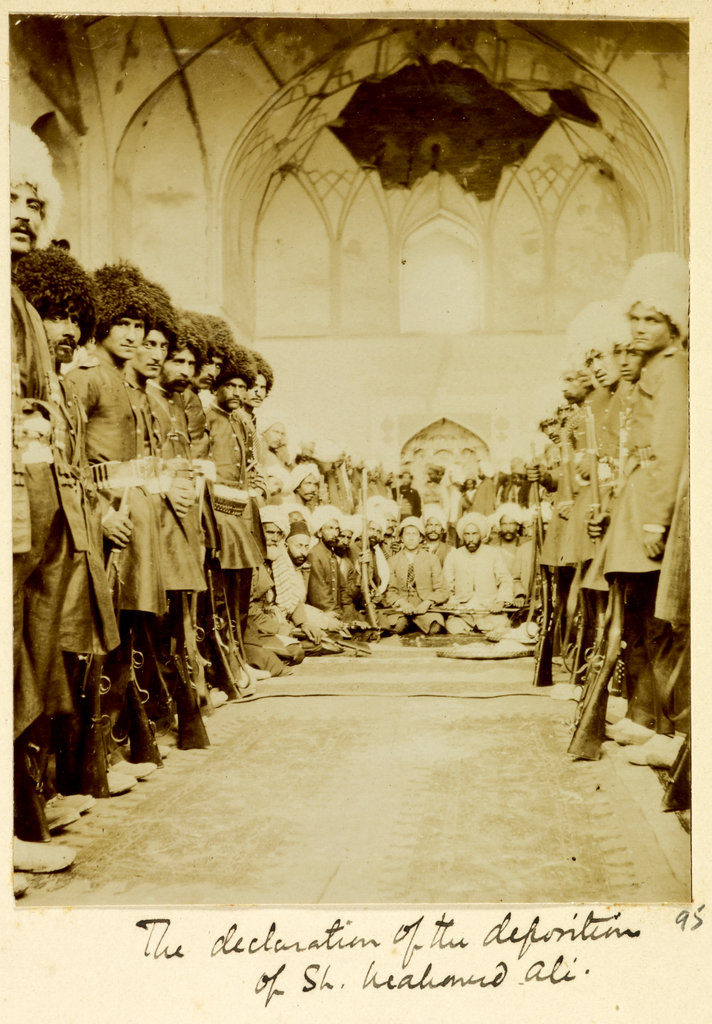
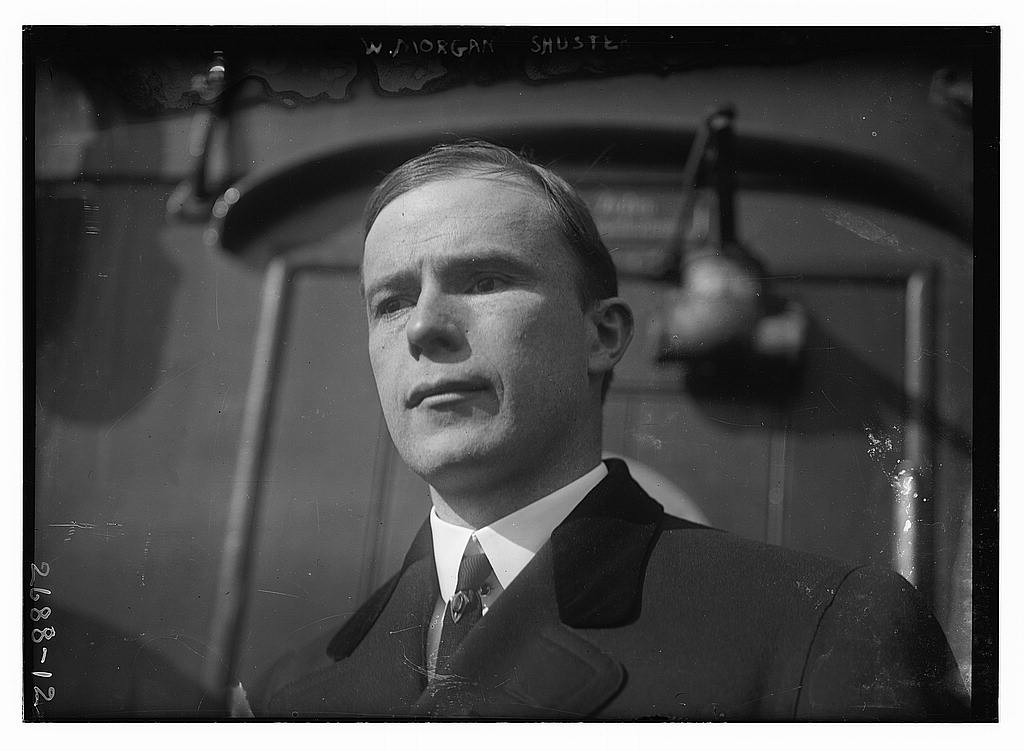
مورگان شوستر، خزانهٔ خالی و اولتیماتوم روسیه
دولت مشروطه برای اجرای قانون به درآمد و دستگاه اداری نیاز داشت. مجلس دوم در ۱۹۱۱ ویلیام مورگان شوستر، حقوقدان و کارشناس مالی آمریکایی، را به مقام خزانهدار کل دعوت کرد. او در ۱۲ مه وارد ایران شد و کوشید وصول مالیات را متمرکز کند، حسابها را سامان دهد و نیروی ژاندارمری خزانه بسازد. اصلاح مالیه به معنای برخورد با شاهزادگان بدهکار، مالکان قدرتمند و منافع روس و انگلیس بود.
بحران بر سر اموال شعاعالسلطنه، برادر محمدعلیشاه، شدت گرفت. دولت روسیه ادعا کرد اقدام مأموران ایرانی حقوق و امنیت وابستگان کنسولیاش را نقض کرده است. در ۲۹ نوامبر ۱۹۱۱ روسیه اولتیماتومی صادر کرد: برکناری شوستر، تعهد به استخدام مستشاران خارجی با رضایت روس و انگلیس، و پرداخت هزینهٔ اعزام نظامی. پذیرش این شروط، اختیار مجلس در ادارهٔ کشور را محدود میکرد.
نمایندگان در فضایی آکنده از فشار عمومی و تظاهرات زنان با اولتیماتوم مخالفت کردند. دولت زیر تهدید پیشروی نظامی روسیه مجلس دوم را در ۲۴ دسامبر تعطیل کرد و شرایط را پذیرفت. نیروهای روس در تبریز و مشهد دست به خشونت زدند. شوستر ایران را ترک کرد و در ۱۹۱۲ کتاب «اختناق ایران» را منتشر ساخت؛ روایت او دفاعی پرشور از مجلس است و همزمان دیدگاه یک مستشار آمریکایی با محدودیتها و پیشفرضهای زمان خودش.
بستهشدن مجلس دوم پایان حقوقی قانون اساسی نبود، اما دورهٔ انقلابی ۱۲۸۴ تا ۱۲۹۰ را خاتمه داد. بحران نشان داد استقلال مالی، حاکمیت ملی و حکومت قانون از هم جدا نمیشوند. مجلسی که بودجه و مأمور مالیاتی خود را کنترل نکند، توان پاسخگوکردن دولت را از دست میدهد.
Morgan Shuster, an empty treasury, and the Russian ultimatum
Constitutional government required revenue and an administrative apparatus. In 1911 the Second Majles invited the American lawyer and financial specialist William Morgan Shuster to serve as treasurer-general. He arrived on 12 May and attempted to centralise tax collection, organise accounts and create a Treasury Gendarmerie. Fiscal reform brought him into conflict with indebted princes, powerful landowners and Russian and British interests.
The dispute escalated over property belonging to Shoa al-Saltaneh, brother of the deposed shah. Russia claimed that Iranian officers had violated the rights and security of people under consular protection. On 29 November 1911, Russia delivered an ultimatum demanding Shuster’s dismissal, a requirement that future foreign advisers receive Russian and British approval, and payment of military expenses. Acceptance would sharply constrain parliamentary control of government.
Deputies rejected the ultimatum amid public pressure and women’s demonstrations. Facing Russian military advance, the cabinet forced the Second Majles to close on 24 December and accepted the terms. Russian forces committed violence in Tabriz and Mashhad. Shuster left Iran and published The Strangling of Persia in 1912. His account offers a vigorous defence of parliament through the perspective, limitations and assumptions of an American adviser of his period.
The closure did not legally abolish the constitution, but it ended the revolutionary phase of 1905–11. The crisis joined financial independence, sovereignty and constitutional rule. A parliament unable to control revenue and tax enforcement soon loses the capacity to hold government accountable.
از قانون ۱۲۸۵ تا قانون اساسی ۱۳۵۸
قانون اساسی مشروطه پس از بحران ۱۲۹۰ از میان نرفت. مجلس سوم در ۱۲۹۳ گشوده شد، هرچند جنگ جهانی اول و اشغال ایران کار آن را مختل کرد. در ۱۳۰۴ مجلس مؤسسان با تغییر اصول مربوط به سلطنت، تاج را از قاجار به رضاشاه و نسل ذکور او منتقل کرد. شکل حقوقی مشروطه حفظ شد، اما تمرکز اداری، ارتش و اقتدار شخصی شاه فضای رقابت سیاسی و استقلال مجلس را کاهش داد.
پس از کنارهگیری رضاشاه در ۱۳۲۰، مطبوعات، احزاب و مجلس دوباره فعالتر شدند. اصلاحات ۱۳۲۸ اختیار انحلال مجلس را برای شاه گسترش داد و راه تشکیل نهادی را هموار کرد که از ۱۲۸۵ در قانون پیشبینی شده بود؛ نخستین مجلس سنا در ۱۳۲۸ خورشیدی، برابر با ۱۹۵۰، گشایش یافت. در نهضت ملیشدن نفت، محمد مصدق و مخالفانش هر دو به زبان قانون اساسی استناد میکردند: اختلاف بر سر اختیار نخستوزیر، نقش شاه، کنترل ارتش و مسئولیت کابینه بود. کودتای ۲۸ مرداد ۱۳۳۲ با همکاری عملیاتی دستگاههای اطلاعاتی آمریکا و بریتانیا دولت مصدق را سرنگون کرد و موازنهٔ قدرت را به سود سلطنت تغییر داد. اسناد رسمی منتشرشدهٔ ایالات متحده نقش آمریکا را ثبت کردهاند.
انقلاب ۱۳۵۷ نظم حقوقی تازهای ساخت. قانون اساسی ۱۳۵۸ جمهوری، انتخابات، مجلس و حقوقی برای ملت را حفظ کرد و همزمان ولایت فقیه و شورای نگهبان را در رأس سازوکار نظارت دینی قرار داد. اصل پنجاهوششم حاکمیت مطلق را از آن خدا میداند و انسان را بر سرنوشت اجتماعی خویش حاکم معرفی میکند. بازنگری ۱۳۶۸ اختیارات رهبری را گسترش داد، مقام نخستوزیری را حذف کرد و ساختار اجرایی را تغییر داد.
میان ۱۲۸۵ و ۱۳۵۸ خط مستقیم وجود ندارد. دو قانون دربارهٔ منشأ مشروعیت، جایگاه دین، نقش رهبر، حقوق شهروندی و رابطهٔ نهادهای انتخابی و انتصابی پاسخهای متفاوت میدهند. پیوند تاریخی در ماندگاری چند پرسش است: چه کسی قانون مینویسد؟ چه نهادی آن را تفسیر میکند؟ نیروهای مسلح به چه کسی پاسخ میدهند؟ چگونه میتوان حاکم را بدون خشونت عزل کرد؟ حقوق فرد در برابر دولت چگونه اجرا میشود؟
From the 1906 Fundamental Law to the 1979 Constitution
The constitutional framework survived the 1911 crisis. A Third Majles opened in 1914, although the First World War and occupation disrupted its work. In 1925 a constituent assembly amended the monarchical provisions and transferred the crown from the Qajars to Reza Shah and his male descendants. Constitutional form remained, while administrative centralisation, the army and personal royal power narrowed political competition and parliamentary independence.
After Reza Shah’s abdication in 1941, parties, newspapers and parliament regained space. Amendments in 1949 strengthened the shah’s dissolution power and cleared the way for an institution specified in 1906 but not yet convened; Iran’s first Senate opened in 1950. During the oil nationalisation movement, Mohammad Mossadegh and his opponents both invoked the constitution. They disputed the prime minister’s authority, the monarch’s role, command of the armed forces and cabinet responsibility. The coup of 19 August 1953, carried out with operational involvement from British and American intelligence, removed Mossadegh and shifted power back towards the crown. Declassified United States government records document the American role.
The 1979 Revolution produced a new constitutional order. The constitution combined republican elections, a parliament and stated popular rights with the office of the Islamic jurist and the Guardian Council’s religious supervision. Article 56 places absolute sovereignty in God while describing human beings as masters of their social destiny. The 1989 revision expanded the leadership’s authority, abolished the premiership and reorganised the executive.
No straight institutional line joins 1906 and 1979. The two constitutions give different answers about legitimacy, religion, leadership, rights and the balance between elected and appointed bodies. Their historical connection lies in persistent questions: Who writes law? Who interprets it? To whom do armed forces answer? How can a ruler be removed peacefully? How are individual rights enforced against the state?
| پرسش | قانون اساسی ۱۲۸۵ و متمم ۱۲۸۶ | قانون اساسی ۱۳۵۸ و بازنگری ۱۳۶۸ |
|---|---|---|
| منشأ قوا | قوا از ملت ناشی میشوند؛ سلطنت ودیعهٔ ملت است | حاکمیت مطلق از آن خداست؛ مردم از راه نهادهای مقرر اعمال حق میکنند |
| نظارت دینی | هیئت مجتهدان در اصل دوم متمم پیشبینی شد | شورای نگهبان و ولایت فقیه ساختار دائمی و گستردهتری دارند |
| رئیس کشور | شاه موروثی با اختیارات مشخص و وزیران مسئول | رهبر با اختیارات مقرر و رئیسجمهوری منتخب |
| پارلمان | مجلس شورای ملی؛ مجلس سنا در متن پیشبینی شد و در ۱۳۲۸ گشایش یافت | مجلس شورای اسلامی زیر نظارت شورای نگهبان |
| Question | 1906–07 constitutional order | 1979 Constitution and 1989 revision |
|---|---|---|
| Source of power | Powers derive from the nation; monarchy is a trust from the people | Absolute sovereignty belongs to God; people exercise destiny through prescribed institutions |
| Religious review | A committee of jurists appeared in Supplementary Article 2 | The Guardian Council and Islamic jurist form a broader permanent structure |
| Head of state | Hereditary monarch with enumerated powers and responsible ministers | Supreme Leader with constitutional powers and an elected president |
| Parliament | National Consultative Assembly; the specified Senate first convened in 1950 | Islamic Consultative Assembly under Guardian Council review |
کتاب مرتبط با تداوم انقلاب و دولت
ایران بین دو انقلاب
پیوند طبقات، سازمانهای سیاسی و دولت را از مشروطه تا انقلاب ۱۳۵۷ دنبال میکند. کتاب برای مقایسهٔ دو انقلاب مفید است، مشروط بر آنکه تفاوت زمان، جامعه و نهادها حفظ شود.
Ervand Abrahamian follows class, political organisation and the state from the Constitutional Revolution to 1979. It supports comparison while preserving the different institutions and social settings of each period.
مشروطه در شعر، طنز و نمایش
جنبش مشروطه زبان ادبیات را تغییر داد. شعر در کنار ستایش و غزل، به روزنامه، انجمن و خیابان راه یافت. عارف قزوینی تصنیف را به حافظهٔ جمعی سیاست پیوند زد. میرزاده عشقی و فرخی یزدی از شعر برای نقد استبداد و دفاع از آزادی استفاده کردند و بهای سنگینی پرداختند. دهخدا فاصلهٔ زبان رسمی و تجربهٔ مردم را با طنز آشکار کرد.
فرخی یزدی در نوجوانی برای شعری انتقادی مجازات شد و روایت دوختهشدن لبهایش به نماد سرکوب بیان تبدیل شد. جزئیات این واقعه بیشتر از زندگینامهها و روایتهای بعدی آمده و شکل دقیق آن در همهٔ منابع مستقل همسان نیست. واقعیت مستندتر، سالها زندان، توقیف روزنامهٔ طوفان و مرگ او در زندان قصر در ۱۳۱۸ است. جداکردن نماد مشهور از درجهٔ سندیت آن، احترام بیشتری به زندگی واقعی شاعر میگذارد.
ادبیات بعدی نیز به مشروطه بازگشت. غلامحسین ساعدی در نمایشنامههای تاریخی، شکستها و تناقضهای انقلاب را از منظر صحنه و شخصیت بررسی کرد. این آثار سند مستقیم ۱۲۸۵ نیستند؛ حافظهٔ فرهنگی دوره را نشان میدهند. هر نسل با مسئلههای زمان خود به مشروطه نگاه کرده است: روشنفکران دههٔ ۱۳۴۰ از شکست آزادی گفتند، پژوهشگران پس از ۱۳۵۷ رابطهٔ دین و قانون را دوباره سنجیدند و تاریخنگاری زنان اسناد حذفشده را به متن بازگرداند.
ادبیات به تاریخ عدد و تاریخ دقیق نمیدهد، اما تجربهٔ ترس، امید، خیانت و شکست را حمل میکند. خواندن آن کنار اسناد حقوقی و پژوهش تاریخی، فاصلهٔ میان متن قانون و زیست مردم را روشن میسازد.
The revolution in poetry, satire, and theatre
The Constitutional Revolution changed literary language. Poetry moved beyond courtly praise and the lyric tradition into newspapers, associations and streets. Aref Qazvini joined song to political memory. Mirzadeh Eshqi and Farrokhi Yazdi used verse to confront autocracy and defend liberty, at great personal cost. Dehkhoda’s satire exposed the distance between official language and ordinary experience.
Farrokhi Yazdi was punished as a young poet for critical verse, and the story that his lips were sewn became an emblem of silenced speech. Details rely heavily on biographies and later accounts, and independent sources do not present an identical version. His imprisonment, repeated censorship of the newspaper Tufan, and death in Qasr Prison in 1939 are more firmly documented. Distinguishing a powerful symbol from its evidentiary status respects the poet’s real life.
Later literature returned to the constitutional period. Gholam-Hossein Saedi’s historical plays approached the revolution’s failures and contradictions through stage and character. These works are cultural memory, not direct evidence from 1906. Each generation has read the revolution through contemporary concerns: writers of the 1960s addressed failed freedom, post-1979 scholarship revisited religion and law, and women’s history restored excluded archives.
Literature cannot establish a casualty count or legal date. It carries fear, hope, betrayal and defeat. Read beside statutes and historical research, it reveals the distance between constitutional language and lived experience.
کتابها در متن ادبیِ مشروطه
دیوان
شعرهای فرخی آزادی، زندان، فقر و اعتراض را در زبان دورهٔ پس از مشروطه ثبت میکنند. مقدمه و تصحیح کتاب به جداسازی روایت زندگی شاعر از افسانههای پیرامون او کمک میکند.
Farrokhi’s poems register liberty, prison, poverty and protest in the language of the post-constitutional era. Editorial scholarship helps separate the poet’s biography from later legend.
پنج نمایشنامه از انقلاب مشروطیت
تاریخ را به صحنه میبرد و کشمکش قدرت، مردم و شکست را از راه شخصیتها میکاود. این مجموعه برای شناخت حافظهٔ ادبی مشروطه مناسب است، نه جایگزین تاریخنگاری اسنادی.
Gholam-Hossein Saedi takes history to the stage and explores power, popular action and defeat through character. The plays illuminate literary memory; they do not replace documentary history.
دستاوردها، ناکامیها و سوءبرداشتهای رایج
مشروطه مفهوم مسئولیت دولت را وارد زبان حقوقی ایران کرد. بودجه و وام به تصویب نمایندگان وابسته شد، مذاکرات مجلس علنی شد، روزنامهها و انجمنها گسترش یافتند و قانون مکتوب معیار داوری دربارهٔ قدرت شد. انجمنهای ایالتی و شبکههای زنان دامنهٔ مشارکت را از دربار فراتر بردند. این تغییرها بعد از شکستهای نظامی و سیاسی نیز از حافظهٔ جامعه پاک نشدند.
ناکامیها ساختاری بودند. انتخابات بخش بزرگی از جمعیت را حذف میکرد. دولت مالیات منظم، ارتش پاسخگو و دستگاه قضایی مستقل نداشت. اختلاف میان مشروطهخواهان بر سر دین، مرکز و استان، مالکیت، عدالت اجتماعی و روش مبارزه عمیق بود. روسیه و بریتانیا حاکمیت ایران را محدود کردند و هنگام خطر از قانون اساسی دفاع مؤثر نکردند. سلطنت نیز از ابزار نظامی و شبکهٔ دربار برای بازپسگیری قدرت استفاده کرد.
سه سوءبرداشت گفتوگو را ساده میکنند. نخست، نسبتدادن انقلاب به یک طبقه یا یک قدرت خارجی؛ شواهد از ائتلافی چندمرکزی حکایت دارند. دوم، برابرگرفتن صدور فرمان با تثبیت دموکراسی؛ نهادها در سالهای بعد ساخته و چند بار ویران شدند. سوم، سنجش متن ۱۲۸۵ با معیارهای کامل امروز و ندیدن نوآوری تاریخی آن؛ همان متن در حوزهٔ جنسیت، مذهب و برابری محدودیتهای جدی داشت و این محدودیتها باید صریح بمانند.
پاسخ به پرسش «آیا مشروطه موفق شد؟» به مقیاس بستگی دارد. در کوتاهمدت، مجلس دو بار با زور یا فشار خارجی تعطیل شد و حکومت پایدارِ پاسخگو شکل نگرفت. در بلندمدت، اصل قانون اساسی، مجلس، بودجهٔ عمومی، مسئولیت وزیران و حق بحث عمومی به معیار سیاست ایران تبدیل شد. موفقیت حقوقی و شکست اجرایی همزمان بخشی از میراث آن است.
Achievements, failures, and common misconceptions
The revolution placed governmental responsibility in Iran’s legal vocabulary. Budgets and public loans required representative approval; parliamentary debate became public; newspapers and associations expanded; and written law supplied a standard for judging power. Provincial councils and women’s networks carried participation beyond the court. Military and political defeats did not erase these changes from public memory.
The failures were structural. Elections excluded much of the population. The state lacked regular taxation, accountable armed forces and an independent judiciary. Constitutionalists divided over religion, centre and province, property, social justice and methods of struggle. Russia and Britain restricted Iranian sovereignty and offered no effective defence of the constitutional order when it was threatened. The monarchy used military force and court networks to reclaim authority.
Three misconceptions flatten the history. The first attributes the revolution to one class or one foreign power; evidence points to a multi-centred coalition. The second treats the decree as completed democracy; institutions had to be built afterwards and were repeatedly destroyed. The third judges the 1906 text solely by present-day standards and misses its historical innovations. Its serious exclusions in gender, religion and equality must remain equally explicit.
Whether the revolution “succeeded” depends on scale. In the short term, parliament closed twice under force or foreign pressure, and stable accountable government did not emerge. Over the longer term, a constitution, parliament, public budgeting, ministerial responsibility and open political argument became standards in Iranian politics. Legal achievement and institutional failure coexist in its legacy.
کتاب مرتبط با سنجش دموکراسی
درسهای دموکراسی برای همه
مفاهیم مشارکت، رقابت، حقوق، جامعهٔ مدنی و محدودکردن قدرت را توضیح میدهد. این مفاهیم ابزار سنجش مشروطه و هر نظم سیاسیِ بعدیاند؛ نتیجهٔ سنجش باید از شواهد تاریخی بیاید.
Hossein Bashiriyeh explains participation, competition, rights, civil society and limits on power. These concepts offer criteria for evaluating the constitutional period and later political orders; historical evidence must supply the judgement.
یک درس دانشگاهی برای دیدن روایت بلند
سخنرانی علی انصاری در کالج گرشام، زمینهٔ بینالمللی و فکری انقلاب ۱۹۰۶ را در قالب یک جلسهٔ دانشگاهی مرور میکند. ویدیو از کانال رسمی مؤسسه جاسازی شده است. پخش بیصدا و حلقهای آغاز میشود؛ کنترلهای پخش برای توقف، تمامصفحهکردن و فعالکردن صدا در دسترساند.
An academic lecture for the wider narrative
Ali Ansari’s Gresham College lecture surveys the international and intellectual setting of the 1906 revolution. The embed comes from the institution’s official channel. Playback starts muted and loops; the player controls allow pausing, full-screen viewing and sound.
انقلاب مشروطهٔ ایران در ۱۹۰۶
استاد: علی انصاری. ضبط: ۱۷ اکتبر ۲۰۲۳. ناشر: کالج گرشام. این سخنرانی منبع تکمیلی است و تاریخها و مواد قانونی مقاله با اسناد مستقل کنترل شدهاند.
Iran’s Constitutional Revolution of 1906
Lecturer: Professor Ali Ansari. Recorded: 17 October 2023. Publisher: Gresham College. The lecture is supplementary; dates and legal provisions in this article were checked against independent documents.
پرسشهای متداول
Frequently asked questions
انقلاب مشروطه دقیقاً چه روزی آغاز شد؟When exactly did the Constitutional Revolution begin?
برای یک فرایند چندساله، یک روز آغاز قطعی وجود ندارد. اعتراض تنباکو زمینهای مهم بود؛ فلککردن بازرگانان در ۲۱ آذر ۱۲۸۴ موج نزدیک را آغاز کرد؛ فرمان ۱۴ مرداد ۱۲۸۵ اصل مجلس را پذیرفت؛ و قانون اساسی ۸ دی همان سال امضا شد.
A multi-year process has no single uncontested starting day. The Tobacco Protest supplied an important precedent; the bastinado of merchants on 12 December 1905 began the immediate cycle; the decree of 5 August 1906 accepted an assembly; and the Fundamental Law followed on 30 December.
نخستین خواستهٔ معترضان مجلس بود؟Was parliament the protesters’ first demand?
در زمستان ۱۲۸۴ خواستهٔ محوری «عدالتخانه» بود. با اجرانشدن وعدهٔ شاه و گسترش بستنشینی در تابستان ۱۲۸۵، مطالبه به مجلس ملی و قانون اساسی تحول یافت.
The central demand in the winter of 1905–06 was a “house of justice.” When the royal promise went unfulfilled and sanctuary protest expanded in the summer, the programme developed towards a national assembly and constitution.
آیا بریتانیا انقلاب را به وجود آورد؟Did Britain create the revolution?
بست سفارت بریتانیا به معترضان حفاظت و اهرم فشار داد. شبکههای بازار، علما، روشنفکران، انجمنها و شهرهای ایران پیش از آن فعال بودند و خواستههای جنبش را شکل دادند. شواهد پژوهشی رهبری رسمی انقلاب از سوی سفارت را ثابت نمیکند. نقش پناهگاه و رقابت امپراتوری را باید همراه عاملیت ایرانیان دید.
Sanctuary at the British Legation offered protection and leverage. Bazaar networks, clerics, intellectuals, associations and Iranian cities were already mobilised and shaped the programme. Scholarship does not establish formal legation leadership. The sanctuary and imperial rivalry belong beside Iranian agency in the explanation.
زنان در مشروطه شرکت داشتند؟Did women participate?
بله. زنان در تحریم کالا، تأمین پول، آموزش، انجمنها، مطبوعات، اعتراض خیابانی و پشتیبانی از نیروهای مشروطهخواه نقش داشتند. قانون انتخابات آنان را از رأی و نمایندگی محروم کرد؛ این حذف حقوقی با حضور اجتماعیشان همزمان بود.
Yes. Women took part in boycotts, fundraising, education, associations, the press, street protest and support for constitutionalist forces. Electoral law denied them voting and office, creating legal exclusion alongside sustained civic activity.
چرا مجلس اول شکست خورد؟Why did the First Majles fall?
ائتلاف طرفدار مجلس پراکنده بود، دولت درآمد و نیروی نظامی قابل اتکا نداشت، شاه با بریگاد قزاق مقابله کرد و روسیه از او حمایت کرد. توپبندی ۲ تیر ۱۲۸۷ حاصل کنارهمآمدن ضعف نهادی، تعارض سیاسی و مداخلهٔ خارجی بود.
The parliamentary coalition was fragmented, the state lacked dependable revenue and armed force, the shah deployed the Cossack Brigade, and Russia supported him. The bombardment of 23 June 1908 combined institutional weakness, political conflict and foreign intervention.
قانون اساسی مشروطه هنوز اعتبار حقوقی دارد؟Does the 1906 constitution still have legal force?
در نظم حقوقی رسمی ایران، قانون اساسی ۱۳۵۸ و بازنگری ۱۳۶۸ جای قانون مشروطه را گرفتهاند. قانون ۱۲۸۵ و متمم ۱۲۸۶ همچنان سند تاریخی و مرجع بحث سیاسیاند، اما قانون جاری کشور به شمار نمیآیند.
Iran’s official legal order now rests on the 1979 Constitution and its 1989 revision. The earlier texts retain historical and political importance but have no current legal force.
آیا مشروطه دموکراسی کامل ایجاد کرد؟Did the revolution create a complete democracy?
انتخابات، مجلس، حقوق قانونی و مسئولیت وزیران نوآوریهای مهمی بودند. رأی طبقاتی و مردانه، حذف زنان و بسیاری از اقشار، ضعف دولت و اختیارات سلطنت دامنهٔ دموکراسی را محدود کردند. ارزیابی دقیق هر دو سوی این کارنامه را حفظ میکند.
Elections, parliament, legal rights and ministerial responsibility were major innovations. Class-based male voting, exclusion of women and many social groups, weak administration and royal powers restricted democratic reach. A sound evaluation retains both parts of the record.
منابع پژوهش و تصاویرResearch and image sources
اسناد دستاول و حقوقیPrimary and legal documents
- دفتر تاریخنگار وزارت خارجهٔ آمریکا؛ ترجمهٔ همزمان فرمان ۵ اوت ۱۹۰۶U.S. Office of the Historian: contemporary translation of the 5 August 1906 decreeمتن آرشیویِ دوره با زبان و داوریهای زمان خودش.An archival text carrying the language and assumptions of its period.
- بنیاد مطالعات ایران؛ متن قانون اساسی ۱۹۰۶ و متمم ۱۹۰۷Foundation for Iranian Studies: Fundamental Law of 1906 and Supplement of 1907منبع مواد حقوقی نقلشده در مقاله.Source for the constitutional provisions discussed above.
- درگاه دادههای ایران در دانشگاه سیراکیوز؛ مجموعهٔ قانونهای اساسی و اصلاحاتSyracuse University Iran Data Portal: constitutions and amendments
- اسناد روابط خارجی ایالات متحده دربارهٔ ایران، ۱۹۵۱ تا ۱۹۵۴؛ جلد دهمForeign Relations of the United States, Iran, 1951–1954, Volume Xاسناد رسمی منتشرشده دربارهٔ بحران نفت و کودتای ۱۹۵۳.Published official documentation of the oil crisis and 1953 coup.
پژوهش تاریخی و مرجعHistorical scholarship and reference works
- دانشنامهٔ ایرانیکا؛ زمینهٔ فکری و اجتماعی انقلاب مشروطهEncyclopaedia Iranica: intellectual and social background
- دانشنامهٔ ایرانیکا؛ رخدادهای ۱۹۰۵ تا ۱۹۱۱Encyclopaedia Iranica: events, 1905–1911
- دانشنامهٔ ایرانیکا؛ قانون اساسی، انتخابات و نهادهاEncyclopaedia Iranica: constitution, elections and institutions
- دانشنامهٔ ایرانیکا؛ جنبش زنان از سدهٔ نوزدهم تا دورهٔ مشروطهEncyclopaedia Iranica: women’s movement through the constitutional period
- دانشنامهٔ ایرانیکا؛ مطبوعات دورهٔ مشروطهEncyclopaedia Iranica: constitutional-era press
- دانشنامهٔ ایرانیکا؛ علیاکبر دهخدا و صوراسرافیلEncyclopaedia Iranica: Ali-Akbar Dehkhoda and Sur-e Esrafil
- کتابخانهٔ کنگره؛ نمایندگان نخستین مجلس ایرانLibrary of Congress: representatives of the First Iranian Parliament
- کتابخانهٔ کنگره؛ مشخصات کتاب اختناق ایران و مأموریت شوسترLibrary of Congress: The Strangling of Persia and Shuster’s mission
رسانه و مجوزMedia and licensing
- ویکیانبار؛ مجموعهٔ تصاویر انقلاب مشروطهWikimedia Commons: Persian Constitutional Revolution collectionمجوز دقیق هر تصویر زیر همان تصویر آمده است.The licence for each image appears in its own bilingual caption.
- مجموعهٔ برخط موزهٔ بروکلینBrooklyn Museum online collectionمنبع دو عکس دورهٔ بست و جشن فرمان.Source of the sanctuary and featured celebration photographs.
- کالج گرشام؛ سخنرانی علی انصاری دربارهٔ انقلاب ۱۹۰۶Gresham College: Ali Ansari lecture on the 1906 revolution
نظر، اصلاح و تکمیل محتوا
اصلاح اطلاعات یا ارسال نظر درباره این صفحه
اصلاح اطلاعات یا ارسال نظر درباره «۱۲۰ سال پس از فرمان مشروطه؛ مجلس، قانون، زنان، مطبوعات و میراث حکومت قانون»
اگر درباره مشخصات، تاریخها، نامها، منابع یا محتوای این صفحه اصلاح مستندی دارید، لطفاً پیام خود و منبع اطلاعات را ارسال کنید. پیامها پیش از اعمال تغییر بررسی میشوند.
If you have a documented correction, reliable source or additional information about this page, please send it below. All submissions are reviewed before any changes are made.