

سهراب سپهری؛ زندگی، شعر، نقاشی و جهان روشن هشت کتاب

سهراب سپهری در شعر معاصر فارسی چهرهای آرام، روشن و یگانه است؛ شاعری که جهان را از راه نگاه، آب، درخت، سفر، رنگ و سکوت میدید. او هم شاعر بود و هم نقاش، و همین دوگانگی خلاق باعث شد زبان شعرش تصویری، خلوت و سرشار از تجربه دیدن باشد. اگر نیما راه تازه شعر فارسی را باز کرد و فروغ زبان شخصی و زنانه را به اوج رساند، سهراب راه مراقبه، طبیعت و نگاه شرقی را در شعر نو فارسی برجسته کرد.
تولد و خانواده
سهراب سپهری در ۱۴ مهر ۱۳۰۷، برابر با ۶ اکتبر ۱۹۲۸، به دنیا آمد. در منابع معتبر، محل تولد او قم ذکر شده، اما زندگی خانوادگی و خاطره فرهنگیاش عمیقاً با کاشان گره خورده است؛ خانوادهاش پس از مدت کوتاهی در کاشان ساکن شدند و باغ، کویر، آب، خاک و معماری آن شهر بعدها در جهان شعری او حضوری ماندگار پیدا کرد. پدرش اسدالله سپهری اهل هنر، خط و موسیقی بود و مادرش ماهجبین، پس از بیماری پدر، نقش مهمی در نگهداری خانواده داشت.
سهراب از کودکی به نقاشی و شعر علاقه نشان داد. در نوجوانی کار کرد، درس خواند، و سپس به تهران رفت. او در دانشکده هنرهای زیبای دانشگاه تهران تحصیل کرد و همزمان مسیر شاعری و نقاشی را ادامه داد.
شعر و آثار مهم
آثار شعری سپهری مرحلهبهمرحله تغییر میکنند. «مرگ رنگ» و «زندگی خوابها» فضای آغازین و تجربهگرای او را نشان میدهند. سپس «آوار آفتاب» و «شرق اندوه» نگاه شرقی، عرفانی و تصویری او را پررنگتر میکنند. با «صدای پای آب»، «مسافر» و «حجم سبز»، زبان سهراب به شفافیت و قدرتی میرسد که امروز با نام او گره خورده است. مجموعه «هشت کتاب» که بیشتر شعرهای مهم او را در کنار هم قرار میدهد، بهترین نقطه شروع برای خواننده تازهوارد است.
سهراب در شعر به دنبال شعار سیاسی مستقیم نبود؛ جهان او از مسیر دیدن ساخته میشد. آب، درخت، گل، جاده، دوست، تنهایی، سفر و نگاه، در شعر او فقط تصویر نیستند؛ راهی برای فهم زندگیاند. او از خواننده میخواهد آهستهتر نگاه کند و با جهان نسبت تازهای بسازد.
نقاشی، سفر و جهان تصویری
سپهری نقاشی جدی و شناختهشده بود. سفر به ژاپن، هند، اروپا و آمریکا، آشنایی با چاپ چوبی، هنر شرق آسیا و تجربه نمایشگاههای مختلف، نگاه بصری او را گسترش داد. شعرهای او نیز مانند تابلوهایش خلوت، روشن و دقیقاند. او اغلب از شلوغی فاصله میگرفت و به تجربه شخصی، طبیعت و سکوت وفادار میماند.
فروغ و سهراب
سهراب با شاعران و هنرمندان مهم زمان خود در تماس بود و با فروغ فرخزاد نیز پیوند ادبی و عاطفی داشت. درگذشت فروغ در سانحه رانندگی، برای فضای ادبی ایران و برای سهراب ضربهای جدی بود. او در شعر «دوست» یاد فروغ را زنده نگه داشت. این پیوند نشان میدهد شعر نو فارسی فقط مجموعهای از نامهای جدا نبود؛ شبکهای از صداها، دوستیها و تأثیرهای متقابل بود.
بیماری و درگذشت
در سالهای پایانی، سهراب به سرطان خون مبتلا شد. برای درمان مدتی به لندن رفت، اما به ایران بازگشت و در ۱ اردیبهشت ۱۳۵۹، برابر با ۲۱ آوریل ۱۹۸۰، در بیمارستان پارس تهران درگذشت. آرامگاه او در مشهد اردهال، نزدیک کاشان، قرار دارد؛ مکانی که برای بسیاری از دوستداران شعر فارسی به زیارتگاهی فرهنگی تبدیل شده است.
برای شروع، «هشت کتاب» بهترین انتخاب است؛ چون خواننده را از دورههای مختلف شعر سهراب عبور میدهد و تصویر کاملتری از جهان او میسازد.
منابع کوتاه برای مطالعه بیشتر
کتابهای مرتبط با سهراب سپهری در الفبا
در ادامه، کارتهای خرید همین کتابها از محصولات فعلی الفبا نمایش داده میشود.
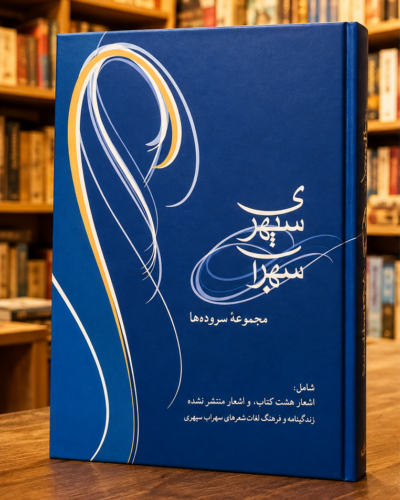
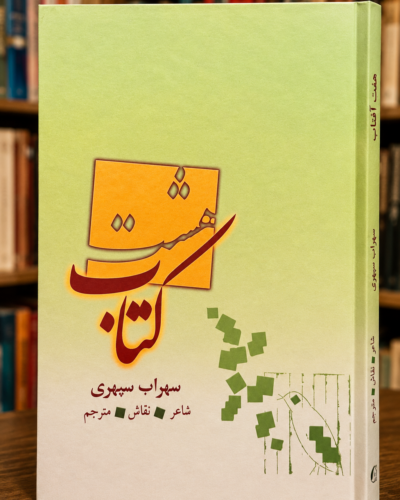
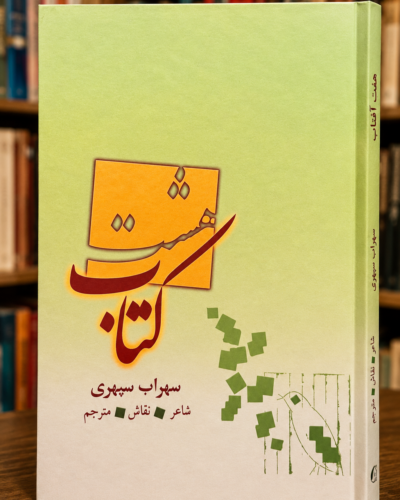

سهراب شاعر و نقاش؛ چرا این دو هنر از هم جدا نیستند؟
در کار سهراب، نقاشی توضیح شعر و شعر توصیف تابلو نیست. هر دو از یک تمرین مشترک میآیند: دیدن پیش از نامگذاری. فضای خالی، تنه درخت، خاک، آب، دیوار و افق در نقاشیهای او همان اندازه مهماند که سکوت، مکث و تصویرهای ساده در شعر. آشنایی با هنر ژاپن، خوشنویسی شرق آسیا، بودیسم، هند و نقاشی مدرن اروپایی به او امکان داد طبیعت کاشان را بدون واقعنمایی مستقیم بازسازد.
هشت کتاب؛ نقشه مسیر شعری سهراب
«هشت کتاب» عنوان مجموعهای است که هشت دفتر اصلی او را کنار هم میگذارد: مرگ رنگ، زندگی خوابها، آوار آفتاب، شرق اندوه، صدای پای آب، مسافر، حجم سبز و ما هیچ، ما نگاه. خواندن به ترتیب نشان میدهد سهراب از فضای تیره و نیمایی آغاز میکند، سپس به زبان عرفانی و تجربهگراتر میرسد و در «صدای پای آب» و «حجم سبز» صدای شناختهشده خود را پیدا میکند.
آثار خود سهراب — جدا از نقدها
- مرگ رنگ
- زندگی خوابها
- آوار آفتاب
- شرق اندوه
- صدای پای آب
- مسافر
- حجم سبز
- ما هیچ، ما نگاه
- اتاق آبی؛ نثر و یادداشتهای پس از مرگ
نسخههای سهراب در الفبا

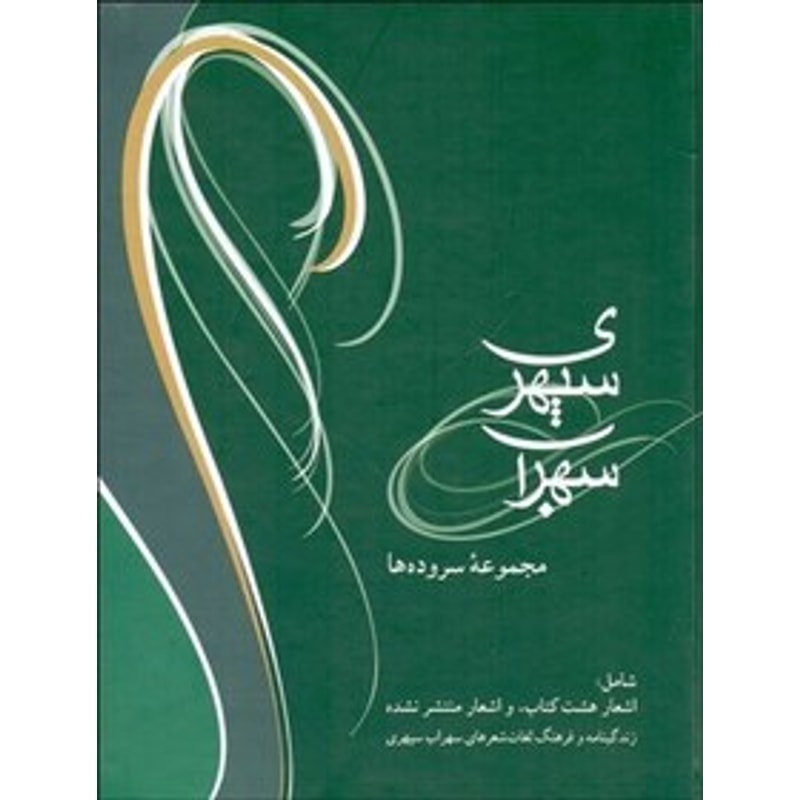

Sohrab Sepehri: Poet, Painter and the World of Eight Books
Sohrab Sepehri (1928–1980) occupies a singular place in Iranian modernism because poetry and painting were equally serious parts of his practice. His poems ask readers to look again at water, trees, roads, houses and ordinary acts; his paintings use space, earth colour, trunks and spare forms to create a related discipline of attention. The apparent simplicity is constructed with great care.
Childhood in Kashan and an artistic family
Sepehri was born in Qom on 6 October 1928, but his family soon settled in Kashan, the city most deeply associated with his imagination. His father painted, practised calligraphy, made and played the tar; his maternal grandmother was a published poet. The family home had a large orchard, later remembered in the prose work The Blue Room. Sohrab began drawing early and wrote a traditional quatrain at about ten.
He trained as a teacher, worked briefly in Kashan, then moved to Tehran and entered the Faculty of Fine Arts at the University of Tehran. Encounters with Nima Yushij’s poetry, modern painting and the artist-poet Manuchehr Sheybani changed his direction. He graduated with honours in 1953 and developed parallel careers in writing, design, teaching and exhibition.
From The Death of Colour to Eight Books
His early collection The Death of Colour carries a darker Nimaic atmosphere. The Life of Dreams, Downpour of the Sun and The East of Sorrow show increasing experiment with prose poetry, folk rhythms and mystical vocabulary. The long poems Water’s Footsteps and The Traveller, followed by The Expanse of Green and We Nothing, We Look, establish the voice for which he is best known.
Eight Books gathers these eight collections. Reading them chronologically is valuable because it prevents the later serene voice from becoming a cliché. The movement toward clarity passes through darkness, formal experiment and sustained work.
Travel, East Asian art and painting
Sepehri travelled widely—to Paris for lithography, and to Japan, India and other countries—and translated or engaged with French, English, Chinese and Japanese poetry. He studied Eastern philosophy and Hindu mythology. These interests did not make him abandon Kashan; they gave him new ways to see its desert, gardens and architecture.
In painting, his mature work often reduces landscape to trunks, branches, earth, walls or fields of colour. Empty space is active rather than unfinished. The same principle operates in his poems: pauses and unexpected connections allow perception to change before explanation closes it down.
Nature, spirituality and criticism
Sepehri is sometimes described as escaping politics into nature. That judgement is too simple. He did avoid direct political slogans, but his poetry questions habits of possession, hierarchy and inattentive living. Nature is not decoration; it is a way of reorganising human scale. At the same time, critical readers are right to ask what forms of historical violence remain outside his frame. The productive approach is to read the poems closely rather than either canonising their serenity or dismissing it.
Illness, death and influence
Sepehri developed leukaemia, travelled to London for treatment and returned to Iran. He died in Tehran on 21 April 1980 and was buried at Mashhad Ardehal near Kashan. His influence has grown through repeated editions of Eight Books, recordings, criticism and the international visibility of his paintings. Abbas Kiarostami’s film title Where Is the Friend’s Home? echoes a famous line from Sepehri.
Primary works and related studies
The nine titles listed in the Persian section are Sepehri’s own poetry and prose. Biographies, art catalogues and critical studies should be presented separately. For a first reading, choose a complete, legible Eight Books; for art, use a reputable catalogue that documents dates, media and provenance.
Sources
نظر، اصلاح و تکمیل محتوا
اصلاح اطلاعات یا ارسال نظر درباره این صفحه
اصلاح اطلاعات یا ارسال نظر درباره «سهراب سپهری؛ زندگی، شعر، نقاشی و جهان روشن هشت کتاب»
اگر درباره مشخصات، تاریخها، نامها، منابع یا محتوای این صفحه اصلاح مستندی دارید، لطفاً پیام خود و منبع اطلاعات را ارسال کنید. پیامها پیش از اعمال تغییر بررسی میشوند.
If you have a documented correction, reliable source or additional information about this page, please send it below. All submissions are reviewed before any changes are made.