

فریدون فرخزاد؛ زندگی، آثار، اجرا و نسبت او با فروغ فرخزاد

فریدون فرخزاد یکی از چهرههای چندبعدی فرهنگ معاصر ایران است: شاعر، خواننده، مجری، برنامهساز، بازیگر، نویسنده و چهرهای سیاسی در تبعید. او در حافظه جمعی ایرانیان بیشتر با صدای گرم، اجرای پرانرژی و برنامههای تلویزیونیاش مانده، اما زندگی او فقط سرگرمی و صحنه نبود؛ زندگی او از شعر و تحصیل در اروپا آغاز شد و در نهایت با تبعید، اعتراض و قتلی دردناک در آلمان گره خورد.
تولد، خانواده و نسبت با فروغ
فریدون فرخزاد در ۱۵ مهر ۱۳۱۷، برابر با ۷ اکتبر ۱۹۳۸، در تهران به دنیا آمد. پدرش محمدباقر فرخزاد، افسر ارتش، و مادرش توران وزیریتبار بود. او برادر کوچکتر فروغ فرخزاد و برادر پوران فرخزاد بود؛ خانوادهای که چند عضو آن در ادبیات و فرهنگ ایران اثرگذار شدند. اگر فروغ چهرهای انقلابی در شعر فارسی بود، فریدون چهرهای انقلابی در اجرای تلویزیونی، صحنه و رسانه شد.
رابطه فروغ و فریدون از نظر فرهنگی اهمیت ویژهای دارد. هر دو در برابر قالبهای محدودکننده زمانه ایستادند، اما ابزارشان متفاوت بود: فروغ با شعر، فیلم و زبان شخصی؛ فریدون با اجرا، موسیقی، برنامهسازی و حضور عمومی. هر دو برای ایرانیان یادآور جسارت، فردیت و آزادی بیاناند.
تحصیل در اروپا و شروع هنری
فریدون پس از پایان دبیرستان برای ادامه تحصیل به اروپا رفت و در آلمان و اتریش زندگی کرد. او در دانشگاه مونیخ در علوم سیاسی تحصیل کرد و به زبان آلمانی نیز شعر نوشت. مجموعه شعر آلمانی او با عنوان «فصل دیگر» در دهه ۱۹۶۰ منتشر شد و توجههایی برانگیخت. این آغاز اروپایی، نگاه او را از همان ابتدا بین دو جهان قرار داد: ایران و غرب، شعر و سیاست، اجرا و اندیشه.
میخک نقرهای و تلویزیون
شهرت گسترده فریدون با برنامه تلویزیونی «میخک نقرهای» شکل گرفت؛ برنامهای که در آن موسیقی، گفتوگو، معرفی هنرمندان و اجرای زنده کنار هم میآمد. بسیاری از خوانندگان و چهرههایی که بعداً مشهور شدند، از مسیر همین برنامه یا برنامههای مشابه دیده شدند. فریدون قالب مجری رسمی و خشک را شکست؛ روی صحنه حرکت داشت، شوخی میکرد، با مخاطب رابطه مستقیم میساخت و اجرا را به تجربهای زنده تبدیل میکرد.
او خواننده و بازیگر نیز بود و در سالهای بعد در فیلم «I Love Vienna» هم حضور داشت. اما اهمیت او فقط در فهرست آثار نیست؛ در شیوه حضور اوست. فریدون نشان داد مجری میتواند روشنفکر، منتقد، شوخ، شاعر و مردمی باشد.
انقلاب، تبعید و اعتراض
پس از انقلاب ۱۳۵۷، فریدون مانند بسیاری از هنرمندان و فعالان فرهنگی ناچار به ترک ایران شد. او در آلمان زندگی کرد و در برنامههای رادیویی، اجراهای خارج از کشور و گردهماییهای ایرانیان به نقد جمهوری اسلامی پرداخت. همین صراحت سیاسی برای او خطر ساخت و تهدیدهایی نیز متوجه او شد.
قتل در آلمان
فریدون فرخزاد در اوت ۱۹۹۲ در شهر بن آلمان به قتل رسید. جسد او در آپارتمانش پیدا شد و قتل او یکی از پروندههای نمادین خشونت علیه مخالفان ایرانی در خارج از کشور شد. درباره عاملان و جزئیات این قتل روایتهای گوناگونی وجود دارد، اما در حافظه ایرانیان، مرگ او با تبعید، آزادی بیان و هزینه سنگین اعتراض سیاسی پیوند خورده است.
آثار و میراث
میراث فریدون را باید در چند حوزه دید: شعر آلمانی و فارسی، ترانه و اجرا، برنامهسازی تلویزیونی، معرفی هنرمندان، و صدای اعتراضی در تبعید. او در فرهنگ ایرانی فقط یک مجری محبوب نیست؛ بخشی از تاریخ رسانه، موسیقی و آزادی بیان است.
کتاب مرتبط در الفبا
برای خوانندهای که میخواهد فریدون را فراتر از خاطره تلویزیونی بشناسد، کتابهای زندگینامهای و تحلیلی درباره او اهمیت زیادی دارند؛ چون مسیر شعر، اجرا، تبعید و قتل او را در کنار هم میگذارند.
منابع کوتاه برای مطالعه بیشتر
- Diaspora Arts Connection: Remembering Fereydoun Farrokhzad
- Fereydoun Farrokhzad: biographical overview
کتابهای مرتبط با فریدون فرخزاد در الفبا
در ادامه، کارتهای خرید همین کتابها از محصولات فعلی الفبا نمایش داده میشود.

فریدون فرخزاد را چگونه باید به یاد آورد؟
تقلیل فریدون به «برادر فروغ» یا فقط مجری «میخک نقرهای» بخش بزرگی از کار او را حذف میکند. او شاعر دوزبانه، دانشآموخته علوم سیاسی، خواننده، بازیگر، مصاحبهگر و سازنده نوع تازهای از نمایش تلویزیونی بود. اجرای او مرز میان معرفی هنرمند، شوخی، موسیقی و گفتوگوی اجتماعی را جابهجا کرد و به جوانان بسیاری نخستین فرصت دیدهشدن داد.
پس از انقلاب، تبعید و فعالیت سیاسی بر تصویر عمومی او غلبه کرد. قتل حلنشده او در بن در سال ۱۹۹۲ را باید با دقت نوشت: خشونت قتل قطعی است، اما مسئولیت قضایی آن هرگز در دادگاه به نتیجه نهایی نرسید. گزارشهای رسانهای و پژوهشهای مربوط به ترور مخالفان ایرانی، سوءظنهای جدی را ثبت کردهاند؛ با این حال مقاله مسئولانه میان ظن تاریخی و حکم ثابتشده تفاوت میگذارد.
آثار خود فریدون و کتابهای درباره او
آثار خود او: شعرهای فارسی و آلمانی، ترانهها، اجراهای ضبطشده، برنامههای تلویزیونی از جمله «میخک نقرهای»، مصاحبهها و حضورهای سینمایی. بسیاری از این مواد هنوز بیش از آنکه در چاپهای انتقادی گرد آمده باشند، در آرشیوهای صوتی و تصویری پراکندهاند.
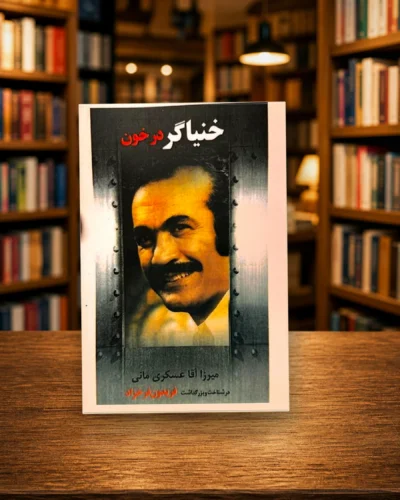
کتاب درباره او: «خنیاگر در خون» اثری پژوهشی/زندگینامهای است و نباید در فهرست آثار تألیفی فریدون قرار گیرد.
Fereydoun Farrokhzad: Poet, Performer, Broadcaster and Exile
Fereydoun Farrokhzad (1938–1992) was one of the most versatile public figures in modern Iranian culture: a poet writing in Persian and German, a singer, actor, interviewer, television producer and later a political voice in exile. Remembering him only as Forough Farrokhzad’s brother obscures his own transformation of Iranian television performance.
Family, education and German-language poetry
Born in Tehran on 7 October 1938, Fereydoun grew up in the same large family as Forough and Pouran Farrokhzad. The siblings followed very different artistic paths, but each challenged restrictive cultural expectations. Fereydoun went to Europe for higher education, studying political science in Germany and Austria. He published poetry in German and entered European literary circles before returning to Iran.
Silver Carnation and a new television style
His widest fame came through television, especially Silver Carnation (Mikhak-e Noghrei). Farrokhzad did not behave like a distant formal announcer. He moved across the stage, joked, sang, interviewed guests and addressed viewers directly. Music, conversation and the discovery of new performers became parts of a single live format. The programme helped introduce emerging singers and changed expectations of what an Iranian television host could do.
His charisma could make the work look effortless, but the format required research, timing, improvisation and the ability to shift between comedy and serious conversation. Preserved recordings are therefore important documents in the history of Iranian broadcasting, not merely nostalgia clips.
Poetry, music and performance
Farrokhzad’s artistic identity crossed media. His German and Persian poems, songs, stage appearances and interviews belong to one performance culture built around voice. Because much of the archive is scattered across private recordings and uploads, exact discographies and programme lists often conflict. A responsible article should distinguish documented publications from later compilations and unattributed online material.
Revolution, exile and political speech
After the 1979 Revolution, Farrokhzad lived in exile, principally in West Germany. Entertainment and politics became increasingly intertwined. He performed for diaspora audiences, worked in radio and public events, and openly criticised the Islamic Republic. Exile altered both his audience and the risks surrounding his public identity.
The unresolved murder in Bonn
Farrokhzad was found murdered in his Bonn home in August 1992. The killing was exceptionally violent and remains officially unresolved. It has long been discussed alongside attacks on Iranian dissidents abroad, and journalists and human-rights advocates have recorded strong suspicions of state involvement. Suspicion, however serious, is not the same as a final judicial finding. Precise writing should state both the political context and the absence of a conclusive court verdict.
Fereydoun and Forough
The brother and sister are linked by more than family fame. Forough transformed poetic voice and the representation of female experience; Fereydoun transformed the public performance of conversation, music and personality. Both paid a high price for refusing cultural confinement. Their differences matter too: Forough’s mature work developed in pre-revolutionary Iran and ended with her death in 1967, while Fereydoun’s later identity was shaped by revolution, diaspora and political opposition.
Works by Fereydoun versus books about him
Primary material includes his poetry, songs, recorded television programmes, interviews and film appearances. Khonyagar dar Khoon is a later biographical/critical book about Farrokhzad, not a work written by him. Keeping these categories separate helps readers understand both the surviving archive and later interpretation.
Sources and archives
نظر، اصلاح و تکمیل محتوا
اصلاح اطلاعات یا ارسال نظر درباره این صفحه
اصلاح اطلاعات یا ارسال نظر درباره «فریدون فرخزاد؛ زندگی، آثار، اجرا و نسبت او با فروغ فرخزاد»
اگر درباره مشخصات، تاریخها، نامها، منابع یا محتوای این صفحه اصلاح مستندی دارید، لطفاً پیام خود و منبع اطلاعات را ارسال کنید. پیامها پیش از اعمال تغییر بررسی میشوند.
If you have a documented correction, reliable source or additional information about this page, please send it below. All submissions are reviewed before any changes are made.