

اشراق درخت گوجه سبز؛ شکوفه آذر، داستان، جوایز و نقد | The Enlightenment of the Greengage Tree

«اشراق درخت گوجه سبز» نخستین رمان شکوفه آذر است: روایتی خانوادگی، تاریخی و خیالانگیز از ایران پس از انقلاب ۱۳۵۷ که در آن مردگان سخن میگویند، درختان حافظه دارند و واقعیت روزمره با افسانه، عرفان و ادبیات کلاسیک فارسی درهم میآمیزد. این راهنما زندگی نویسنده، مسیر شکلگیری رمان، داستان بدون لو دادن پایان، درونمایهها، انتشار جهانی، جوایز، آثار دیگر آذر و مسیرهای پیشنهادی برای مطالعه بیشتر را یکجا گرد آورده است.
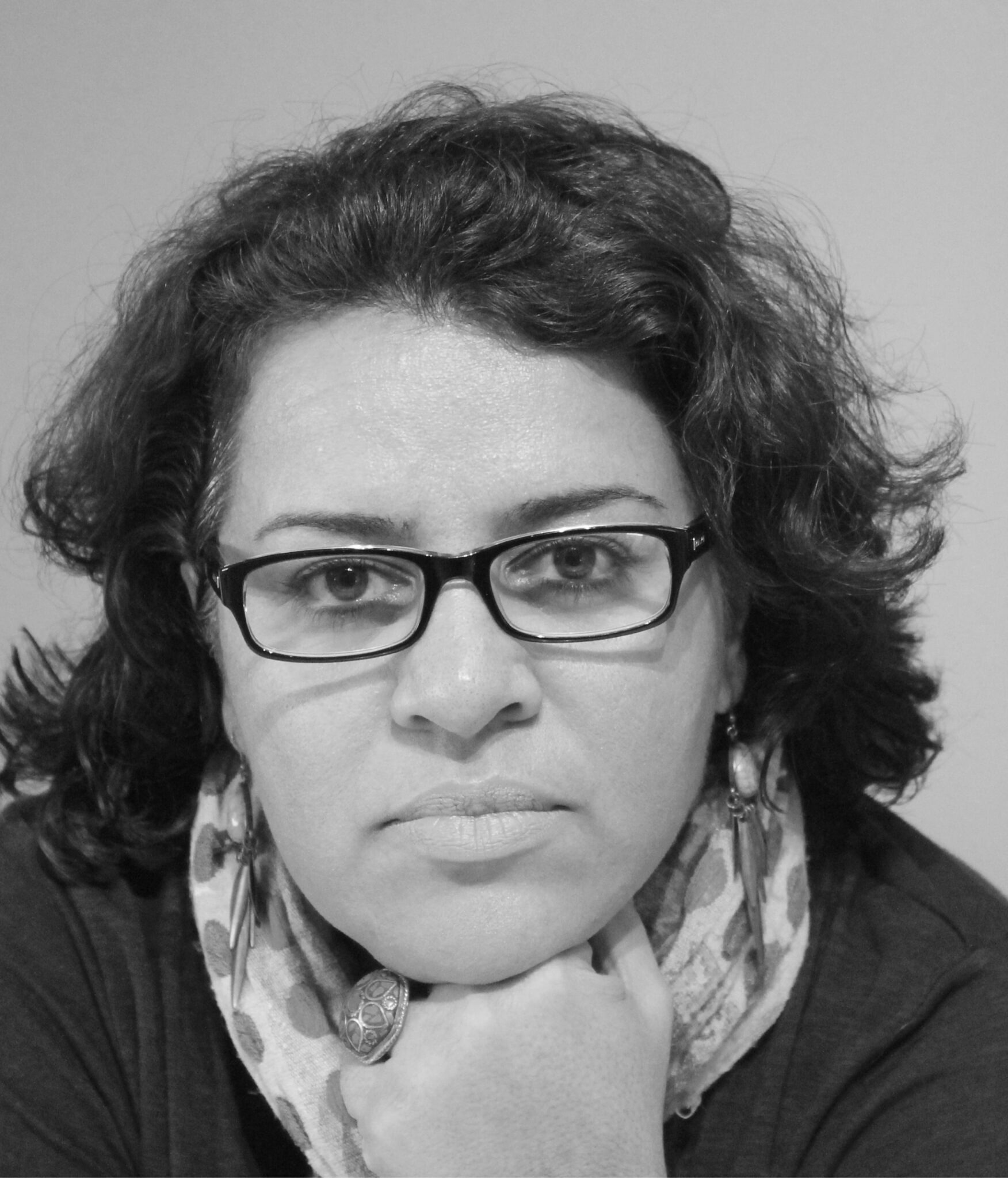
شکوفه آذر کیست؟
شکوفه آذر، نویسنده، روزنامهنگار و هنرمند ایرانی-استرالیایی، در سال ۱۹۷۲ در ایران به دنیا آمد؛ تنها هفت سال پیش از انقلاب. او در خانوادهای ادبی و هنری بزرگ شد. پدرش روشنفکر، نویسنده، شاعر و نقاش بود و خانه کودکی او با کتاب، شعر و گفتوگو درباره هنر پیوند داشت. آذر در گفتوگو با انجمن نویسندگان استرالیا گفته است که از پانزدهسالگی، نویسندگان و نقاشان بزرگ و نیز جنگلهای سرسبز شمال ایران برایش سرچشمه الهام بودند. آرزویش این بود که تمام زندگی را صرف خواندن، نوشتن، نقاشی و زیستن میان درختان کند.
او در دبیرستان و دانشگاه ادبیات خواند و از حدود بیستسالگی وارد روزنامهنگاری حرفهای شد. چهارده سال برای روزنامهای مستقل کار کرد و درباره مسائل اجتماعی و حقوق بشر نوشت. این انتخاب در فضای محدودکننده مطبوعات ایران هزینه سنگینی داشت: آذر به دلیل فعالیت روزنامهنگاری چند بار بازداشت و سه بار زندانی شد. تجربه بازجویی، زندان، بستهشدن پیدرپی روزنامهها و مشاهده مستقیم سرکوب، بعدها به حافظه عاطفی و تاریخی رمانهای او راه یافت.
کودکی، کتابها، جنگل و سفر جاده ابریشم
زندگی ادبی آذر فقط از سیاست شکل نگرفت. کتابخانه خانوادگی، شعر فارسی، اسطورههای ایران، قصههای عامیانه و طبیعت شمال کشور، زیربنای تخیل او را ساختند. پیش از مهاجرت، دو مجموعه داستان کوتاه، یک کتاب کودک، گزارشها و مقالههای فراوان منتشر کرد و در تدوین دانشنامه ادبی فارسی نیز مشارکت داشت؛ اثری که بنا بر زندگینامه ناشر، در سال ۱۹۹۷ جایزه کتاب سال ایران را دریافت کرد.
در سال ۲۰۰۴ او نخستین زن ایرانی شد که با کولهپشتی و اتواستاپ بخشی طولانی از جاده ابریشم را پیمود: از ایران به افغانستان، تاجیکستان، قرقیزستان، چین، پاکستان و هند. گزارشها و عکسهای این سفر سهماهه در مطبوعات ایران منتشر شد. این تجربه، نگاه او را به مرز، سفر، روایتهای کهن و پیوند فرهنگها گسترش داد؛ عناصری که بعدها در داستاننویسی او نیز حضور پیدا کردند.
از روزنامهنگاری در ایران تا پناهندگی در استرالیا
با افزایش خطر برای روزنامهنگاران مستقل، خانواده آذر نگران جان او شدند. او ایران را ترک کرد و مسیری دشوار از ترکیه به اندونزی و سپس با قایق به استرالیا پیمود. مدتی در بازداشتگاه پناهجویان جزیره کریسمس بود و در سال ۲۰۱۱ پناهندگی سیاسی استرالیا را دریافت کرد. ابتدا در پرت ساکن شد و بعد به جیلانگ در ایالت ویکتوریا رفت؛ شهری که منابع رسمی ناشر و دانشگاه دیکین آن را محل زندگی او ذکر میکنند.
آذر هنگام ورود به استرالیا تقریباً انگلیسی نمیدانست و زبان را در بزرگسالی آموخت. او سرانجام در سال ۲۰۱۹ دوره افتخاری ارتباطات/روزنامهنگاری دانشگاه دیکین را به پایان رساند. این بازسازی زندگی از صفر—با زبان تازه، یافتن مترجم و ناشر، و دوری از فضای ادبی فارسیزبان—بخش مهمی از داستان شخصی اوست.

رمان چگونه نوشته شد؟
آذر کار روی رمان را در سال ۲۰۱۲، چند ماه پس از آزادی از اردوگاه پناهجویان، آغاز کرد. او رمان را به فارسی نوشت؛ زبانی که به گفته خودش ابزار اصلی بیان تجربه چهل سال زندگی در ایران، فشار سیاسی و در عین حال غنای فرهنگی آن بود. کتاب در سال ۲۰۱۷ توسط Wild Dingo Press در استرالیا منتشر شد. ترجمه انگلیسی با نام مترجمی ناشناس انتشار یافت؛ ناشناسماندن مترجم، بنا بر توضیح انجمن نویسندگان استرالیا، با نگرانیهای امنیتی مرتبط بود.
نوشتن این کتاب برای آذر فقط بازگویی خاطرات نبود. او میخواست تاریخ خشونتبار دهه نخست پس از انقلاب—از اعدام و زندان تا جنگ و مهاجرت—را از راه زبانی بنویسد که توان حمل اندوه، زیبایی و امر ناممکن را داشته باشد. در نتیجه، رئالیسم جادویی برای او تزئین داستان نیست؛ راهی است برای گفتن واقعیتی که زبان گزارش روزنامهنگارانه به تنهایی از پس آن برنمیآید.
داستان کتاب، بدون لو دادن پایان
راوی رمان بهار، دختر سیزدهسالهای است که از جهان مردگان سرگذشت خانوادهاش را بازمیگوید. ده سال پس از انقلاب ۱۳۵۷، خانوادهای فرهنگی و اهل کتاب، برای گریز از خشونت تهران به روستایی در شمال ایران پناه میبرند. اما تاریخ بیرون در را نمیبندد: انقلاب، جنگ، سرکوب، سوگ و ترس به خانه و حافظه آنان راه پیدا میکنند.
در این جهان، روحها کنار زندگان حرکت میکنند، درخت گوجه سبز میتواند محل اشراق باشد و موجودات افسانهای، باورهای عرفانی و واقعیت سیاسی در یک سطح روایت میشوند. ماجرا نه خطی و واقعگرایانه، بلکه مانند حافظه سوگوار پیش میرود: تکهتکه، شاعرانه، گاهی هولناک و گاهی شگفتانگیز. همین انتخاب به خواننده اجازه میدهد خشونت تاریخی را از چشم یک خانواده و نه فقط از طریق تاریخ رسمی لمس کند.
چرا رئالیسم جادویی؟ ریشههای فارسی و ایرانی
آذر تأکید میکند که رئالیسم جادویی کتابش تنها وامگرفته از سنت آمریکای لاتین نیست. او آن را ادامه طبیعی ادبیات اسطورهای و عرفانی ایران میبیند: از شاهنامه و منطقالطیر تا قصههای عامیانه، جنها، ارواح، سفرهای روحانی و تصویرهای چندلایه شعر کلاسیک. در این سنت، مرز خواب و بیداری یا زندگی و مرگ همیشه سخت و قطعی نیست.
به همین دلیل، اتفاقهای فراطبیعی در رمان نیازمند توضیح علمی نیستند. آنها زبان عاطفهاند. یک شبح میتواند حافظه یک نسل باشد؛ درخت میتواند شاهد تاریخ شود؛ و اشراق میتواند لحظهای باشد که سوگ، آگاهی و طبیعت به هم میرسند. زیبایی نثر درست در کنار صحنههای دردناک قرار میگیرد تا نشان دهد فرهنگ و تخیل، حتی زیر فشار قدرت، کاملاً نابود نمیشوند.
درونمایههای اصلی
خانواده و فروپاشی خانه
رمان تاریخ بزرگ را از درون خانه میبیند. هر تصمیم سیاسی، پیامدی جسمی و عاطفی برای اعضای خانواده دارد. خانه و کتابخانه نماد امنیت و حافظهاند، اما هیچکدام از دستبرد تاریخ مصون نمیمانند.
سوگ، حافظه و روایت مردگان
انتخاب یک راوی مرده به قربانیان امکان سخنگفتن میدهد. این صدا با تاریخ رسمی رقابت میکند و میپرسد چه کسی حق دارد گذشته را تعریف کند و چه کسانی از روایت حذف شدهاند.
زنان، مقاومت و بقا
زنان کتاب فقط قربانی نیستند؛ حامل دانش، خشم، عشق و امکان ادامه زندگیاند. بدن و آزادی آنان محل اعمال قدرت است، اما داستان بارها نشان میدهد که مقاومت میتواند شکلهای ظریف، خانگی و فرهنگی داشته باشد.
کتاب، هنر و فرهنگ در برابر حذف
کتابخانه، شعر، موسیقی، نقاشی و قصهگویی ابزار فرار ساده نیستند؛ راههای حفظ انسانیتاند. نابودی کتابها در چنین جهانی معادل حمله به حافظه جمعی است.
تبعید و تعلق
گرچه بخش عمده داستان در ایران میگذرد، تجربه تبعید نویسنده در ساختار عاطفی آن دیده میشود: فاصله از خانه، بازسازی گذشته و تلاش برای نگهداشتن زبانی که وطن را با خود حمل میکند.
انتشار، ترجمهها و جوایز
- ۲۰۱۷: انتشار رمان فارسی در استرالیا توسط Wild Dingo Press؛ کتاب امکان انتشار رسمی در ایران نداشت و نسخههایی از آن به شکل زیرزمینی میان خوانندگان فارسیزبان گردش کرد.
- ۲۰۱۸: قرارگرفتن در فهرست نهایی جایزه استلا، یکی از مهمترین جوایز ادبی استرالیا برای نویسندگان زن و غیرباینری.
- ۲۰۲۰: راهیابی ترجمه انگلیسی به فهرست نهایی جایزه بینالمللی بوکر؛ شکوفه آذر نخستین نویسنده ایرانی معرفیشده در این جایگاه بود.
- انتشار جهانی: نسخه انگلیسی را Europa Editions در بازارهای بینالمللی منتشر کرد و کتاب به دستکم سیزده زبان ترجمه شده است. عدد ترجمهها در منابع قدیمیتر دوازده و در معرفی بهروز دانشگاه دیکین سیزده ذکر شده است.
قرارگرفتن در فهرست نهایی بوکر اهمیت ویژهای داشت، زیرا یک رمان نوشتهشده به فارسی در استرالیا—با ترجمهای که نام مترجمش برای امنیت آشکار نشد—را به مخاطبانی جهانی رساند. توجه جوایز همچنین گفتوگویی درباره سانسور، نقش مترجم و جایگاه ادبیات مهاجرت در استرالیا ایجاد کرد.

آثار شکوفه آذر
- اشراق درخت گوجه سبز / The Enlightenment of the Greengage Tree: نخستین رمان او و نخستین اثری که به انگلیسی ترجمه شد.
- درخت گوکران در آشپزخانه ما / The Gowkaran Tree in the Middle of Our Kitchen: دومین رمان؛ در ژوئن ۲۰۲۵ در چند کشور منتشر شد و بار دیگر تاریخ یک خانواده زرتشتی را با انقلاب، اسطوره و حافظه پیوند میدهد.
- دو مجموعه داستان کوتاه و یک کتاب کودک: آثار پیش از مهاجرت که در ایران منتشر شدند.
- مقالات، گزارشها و مصاحبهها: حاصل سالهای روزنامهنگاری مستقل و سفر جاده ابریشم.
- رمان سوم: دانشگاه دیکین گزارش میدهد که آذر روی رمان بعدی خود کار میکند؛ انجمن نویسندگان استرالیا در سال ۲۰۲۴ از پروژهای با محور زنان ایرانی و قانون شریعت یاد کرده بود.
کتاب اصلی و کتابهای مرتبط
کتاب نویسنده: اشراق درخت گوجه سبز اثر شکوفه آذر در الفبا. این بخش جدا از پیشنهادهای موضوعی است تا خواننده کتاب اصلی را با آثار مشابه اشتباه نگیرد.
برای مطالعه مرتبط: اگر به رئالیسم جادویی، حافظه تاریخی و خانواده در بحران علاقه دارید، جستوجوی آثار شهرنوش پارسیپور، غلامحسین ساعدی، صادق هدایت و رمانهای فارسی مهاجرت نقطه شروع خوبی است. برای یافتن نسخههای موجود، از جستوجوی کتابهای رئالیسم جادویی در الفبا استفاده کنید.
این کتاب برای چه خوانندهای مناسب است؟
برای خوانندهای که تاریخ معاصر ایران، ادبیات زنان، رئالیسم جادویی، روایتهای مهاجرت و داستانهای خانوادگی چندنسلی را دوست دارد، انتخابی جدی و ماندگار است. نثر شاعرانه است، اما موضوعات سبک نیستند: اعدام، زندان، جنگ، سوگ و خشونت در کتاب حضور دارند. بهتر است خواننده با آمادگی عاطفی وارد آن شود و به ساختار غیرخطی و تصویرهای نمادین فرصت بدهد.
منابع معتبر و مطالعه بیشتر
- Deakin University — Shokoofeh Azar: Weaving literary magic with words
- Australian Society of Authors — Member Spotlight: Shokoofeh Azar
- Wild Dingo Press — Author biography and books
- The Booker Prizes — The Enlightenment of the Greengage Tree
- Stella — 2018 shortlisted book and author profile
- Los Angeles Review of Books — Interview with Shokoofeh Azar
- The Punch Magazine — Interview on history and magical realism
آخرین بازبینی و تطبیق منابع: ۱۲ ژوئیه ۲۰۲۶. اطلاعات متغیر، مانند محل زندگی یا تعداد ترجمهها، بر پایه تازهترین منبع رسمی در دسترس نوشته شده است.
The Enlightenment of the Greengage Tree: Complete English Guide
The Enlightenment of the Greengage Tree is Shokoofeh Azar’s debut novel: a family chronicle of post-1979 Iran in which ghosts speak, trees hold memory, and political history meets Persian myth, mysticism and storytelling. This guide brings together Azar’s biography, the making of the novel, a spoiler-light overview, its central themes, publication history, awards, the author’s other work and reliable sources.
Who is Shokoofeh Azar?
Shokoofeh Azar is an Iranian-Australian novelist, journalist and visual artist, born in Iran in 1972. She grew up in a literary and artistic household. Her father was an intellectual, writer, poet and painter, and books were central to her childhood. Azar has described classical and modern writers, painters and the green forests of northern Iran as formative influences from her teenage years. She studied Persian literature and began professional journalism at about twenty.
For fourteen years she worked for an independent newspaper, covering social and human-rights issues. Independent reporting exposed her to repeated newspaper closures, interrogation, arrest and imprisonment; Deakin University records that she was jailed three times. Before leaving Iran she also published short fiction, a children’s book, journalism and contributions to a Persian literary encyclopedia.
The Silk Road and the journey to Australia
In 2004 Azar became the first Iranian woman reported to have backpacked and hitchhiked along the Silk Road, travelling through Afghanistan, Tajikistan, Kyrgyzstan, China, Pakistan and India. Her reports and photographs from the three-month journey appeared in an Iranian newspaper.
As the danger surrounding independent journalism increased, she left Iran. Her route took her through Turkey and Indonesia, then by boat to Australia and detention on Christmas Island. She received asylum in 2011, first settled in Perth and later moved to Geelong. Arriving with little English, she learned the language as an adult and completed an Honours degree in communication/journalism at Deakin University in 2019.
How the novel was written
Azar began the novel in 2012, only months after her release from immigration detention. She wrote it in Persian. In her Deakin profile, she describes writing as the tool through which she could express both forty years of life under political oppression and the richness of Iranian culture. Wild Dingo Press published the novel in Australia in 2017. The English translation was credited to an anonymous translator because public identification could create security risks.
The book therefore emerged from several overlapping positions: a former human-rights journalist looking back at suppressed history; a refugee reconstructing home through language; and a fiction writer steeped in Persian myth and classical literature. Magical realism is not decorative here. It allows experiences of terror, grief and survival to be rendered beyond the limits of documentary prose.
A spoiler-light synopsis
The narrator is Bahar, a thirteen-year-old girl speaking from the realm of the dead. A decade after the 1979 Iranian Revolution, her book-loving family attempts to escape Tehran’s violence by moving to a remote village in northern Iran. History follows them. Revolution, war, executions, censorship and loss enter the household and transform each member of the family.
Ghosts coexist with the living; enlightenment can occur in a greengage tree; mythic creatures, spiritual journeys and brutal political facts share the same narrative plane. The story moves less like a conventional chronology than like traumatised memory—fragmented, lyrical, frightening and unexpectedly beautiful.
Persian roots of the magical realism
Azar resists treating magical realism as an exclusively Latin American inheritance. She connects her method to ancient Persian myth, classical poetry, Sufi narratives, folktales and a culture in which supernatural beings and spiritual transformation are familiar forms of thought. The Shahnameh, The Conference of the Birds and centuries of symbolic poetry form part of the wider literary background.
In this framework, a ghost can embody erased testimony, a tree can become an archive, and enlightenment can join grief to nature. The marvellous does not deny historical fact; it communicates the emotional truth of events that official language may suppress.
Major themes
- Family and the destruction of home: national history is experienced through bodies, rooms, books and relationships.
- Grief, memory and the voices of the dead: the dead challenge official history and restore testimony to people who have been erased.
- Women and survival: women experience state and social power directly, yet remain agents of knowledge, anger, love and resistance.
- Books and art: literature, painting and storytelling preserve human complexity when power attempts to reduce or silence it.
- Exile and belonging: although much of the novel is set in Iran, its emotional architecture reflects the migrant task of rebuilding a lost home in language.
Publication, translations and awards
The Persian novel was published in Australia by Wild Dingo Press in 2017. It could not be officially published in Iran, although the Australian Society of Authors reports that underground copies circulated there. In 2018 it was shortlisted for the Stella Prize. In 2020 it reached the shortlist of the International Booker Prize, making Azar the first Iranian writer recognised at that stage of the prize. Europa Editions brought the English translation to a wider international readership. Deakin University’s current profile states that the novel has been translated into thirteen languages; earlier profiles list twelve, reflecting the book’s continuing international publication.
Books and other work by Shokoofeh Azar
- The Enlightenment of the Greengage Tree: her debut novel and first book translated into English.
- The Gowkaran Tree in the Middle of Our Kitchen: her second novel, published across six countries in June 2025; it again brings family history, Zoroastrian culture, revolution and myth into conversation.
- Earlier work in Iran: two short-story collections, a children’s book, essays, interviews, reports and literary-reference writing.
- Work in progress: Deakin reports that Azar is writing a third novel. She also works as a visual artist, combining Iranian forms with abstraction and symbolism.
Buy the book and continue reading
The author’s book: The Enlightenment of the Greengage Tree — Persian edition at Alefba. The product link is separated from thematic recommendations so readers can distinguish Azar’s own work from related reading.
Readers interested in Persian magical realism, women’s writing, political memory and exile may also explore works by Shahrnush Parsipur, Gholam-Hossein Saedi and contemporary Iranian diaspora writers. Availability changes, so use Alefba’s site search for current editions.
Who should read it?
This is an excellent choice for readers of literary historical fiction, magical realism, women’s writing, multigenerational family narratives and modern Iranian history. Its prose is often luminous, but its material includes execution, imprisonment, war and bereavement. Readers should expect a non-linear structure and emotionally difficult scenes rather than a conventional realist family saga.
Sources and further reading
The full linked source list appears at the end of the Persian section above. It includes Deakin University, the Australian Society of Authors, Wild Dingo Press, the International Booker Prize, Stella, the Los Angeles Review of Books and a long-form author interview. Sources were reviewed on 12 July 2026.
نظر، اصلاح و تکمیل محتوا
اصلاح اطلاعات یا ارسال نظر درباره این صفحه
اصلاح اطلاعات یا ارسال نظر درباره «اشراق درخت گوجه سبز؛ شکوفه آذر، داستان، جوایز و نقد | The Enlightenment of the Greengage Tree»
اگر درباره مشخصات، تاریخها، نامها، منابع یا محتوای این صفحه اصلاح مستندی دارید، لطفاً پیام خود و منبع اطلاعات را ارسال کنید. پیامها پیش از اعمال تغییر بررسی میشوند.
If you have a documented correction, reliable source or additional information about this page, please send it below. All submissions are reviewed before any changes are made.