

بهرام بیضایی؛ زندگی، آثار، نمایش و سینمای ایران

بهرام بیضایی از بزرگترین نامهای نمایشنامهنویسی، پژوهش، سینما و روایت در ایران معاصر است. او هم نمایشنامهنویس بود، هم فیلمساز، هم پژوهشگر اسطوره و آیین، و هم معلمی سختگیر برای زبان و اجرا. آثار او تاریخ، اسطوره، زن، قدرت، حافظه جمعی و زبان فارسی را در کنار هم میگذارند و از دل آنها جهانی میسازند که هم ایرانی است و هم مدرن.
تولد و مسیر آغازین
همچنین، بهرام بیضایی در ۵ دی ۱۳۱۷، برابر با ۲۶ دسامبر ۱۹۳۸، در تهران به دنیا آمد. از جوانی به نمایش، ادبیات، اسطوره و تاریخ ایران علاقه داشت. پژوهشهای او درباره نمایش در ایران و توجهش به تعزیه، نقالی، آیینها و روایتهای کهن، بعدها در نمایشنامهها و فیلمهایش حضوری بنیادین پیدا کرد.
نمایشنامهها و زبان بیضایی
بیضایی در نمایشنامهنویسی فارسی جایگاهی یگانه دارد. زبان او چندلایه، آهنگین و دقیق است؛ نه فقط برای خواندن، بلکه برای اجرا ساخته شده. آثاری چون «مرگ یزدگرد»، «آرش»، «اژدهاک»، «ندبه»، «سیاوشخوانی»، «مجلس ضربت زدن»، «افرا، یا روز میگذرد»، «شب هزار و یکم» و بسیاری دیگر نشان میدهند که او چطور اسطوره، تاریخ و بحرانهای معاصر را به زبان صحنه تبدیل میکند.
بااینحال، در بسیاری از آثار او، شخصیتهای زن نقش محوری دارند؛ نه به عنوان حاشیه داستان، بلکه به عنوان حاملان خرد، مقاومت، حافظه و امکان زندگی. همین ویژگی، آثار او را برای خوانندگان و تماشاگران امروز نیز زنده نگه داشته است.
سینما و فیلمهای مهم
بیضایی از چهرههای مهم موج نوی سینمای ایران بود. فیلمهایی مانند «رگبار»، «غریبه و مه»، «چریکه تارا»، «مرگ یزدگرد»، «باشو غریبه کوچک»، «مسافران»، «سگکشی» و «وقتی همه خوابیم» بخشی از کارنامه سینمایی او را میسازند. «باشو غریبه کوچک» بهویژه یکی از مهمترین فیلمهای تاریخ سینمای ایران شناخته میشود؛ فیلمی درباره جنگ، زبان، مادری، پذیرش و هویت ایرانی.
مهاجرت، تدریس و سالهای پایانی
درنتیجه، بیضایی سالها با محدودیتهای اجرایی و سانسور روبهرو بود. او در نهایت به دعوت برنامه مطالعات ایرانی دانشگاه استنفورد به آمریکا رفت و در آنجا به تدریس، پژوهش، نوشتن و اجرای برخی آثار ادامه داد. در استنفورد نیز همچنان بر سنتهای نمایشی ایران، اسطوره، زبان فارسی و امکان بازآفرینی آنها برای جهان امروز کار کرد.
درگذشت
بهرام بیضایی در ۲۶ دسامبر ۲۰۲۵، همزمان با هشتاد و هفتمین سالروز تولدش، در استنفورد درگذشت. درگذشت او برای فرهنگ ایران فقط از دست رفتن یک هنرمند نبود؛ پایان زندگی یکی از جامعترین ذهنهای روایی معاصر بود. با این حال، آثار او همچنان خوانده، اجرا، تحلیل و بازکشف میشوند.
بنابراین، برای شناخت بیضایی، خواندن نمایشنامهها به اندازه دیدن فیلمها مهم است. آثار مکتوب او نشان میدهند که زبان، اسطوره و صحنه چگونه در ذهن او به هم میرسند.
منابع کوتاه برای مطالعه بیشتر
کتابهای مرتبط با بهرام بیضایی در الفبا
در ادامه، کارتهای خرید همین کتابها از محصولات فعلی الفبا نمایش داده میشود.
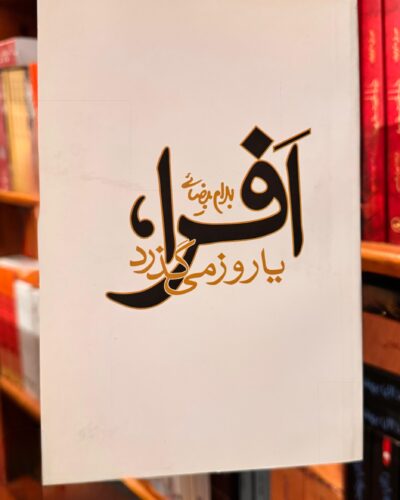
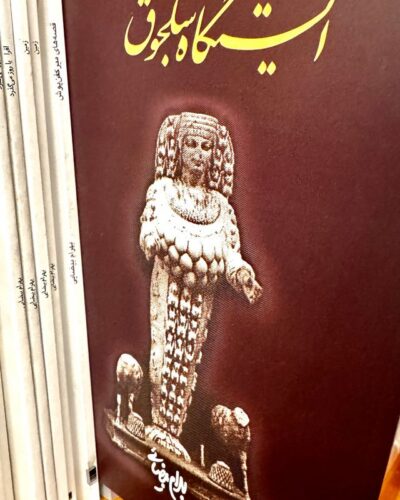

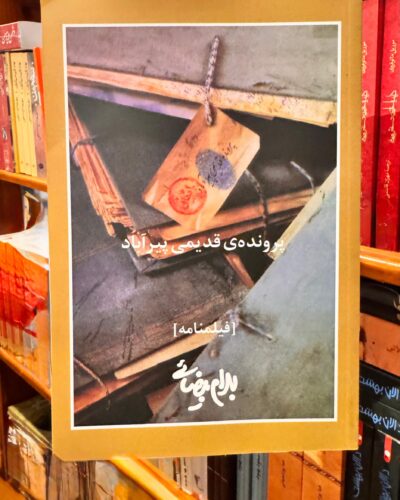
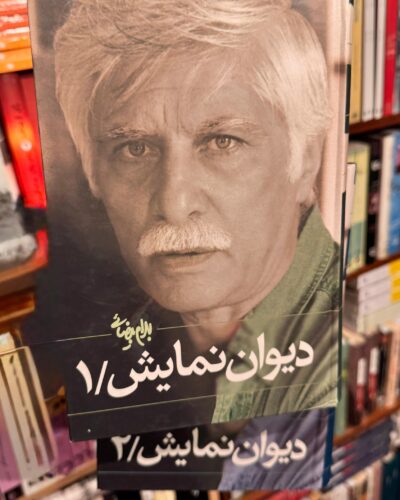
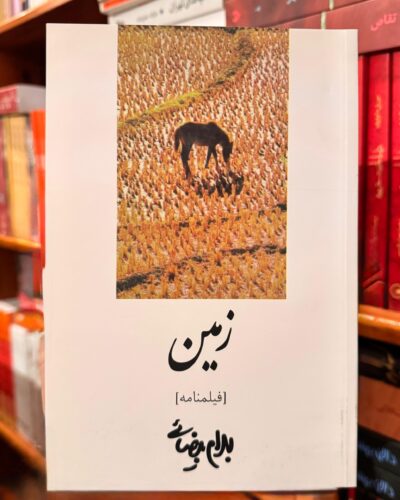
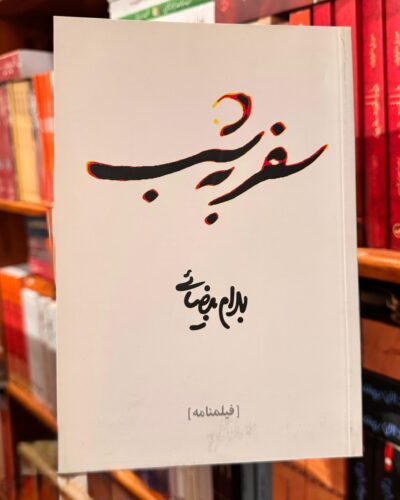
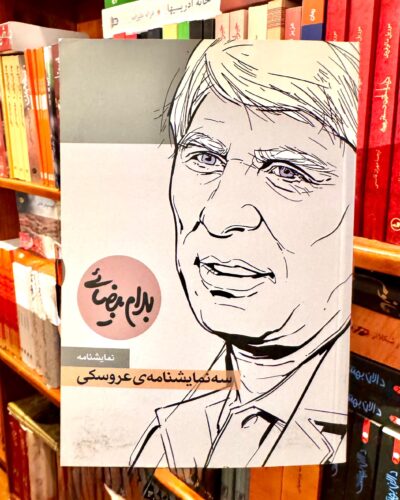
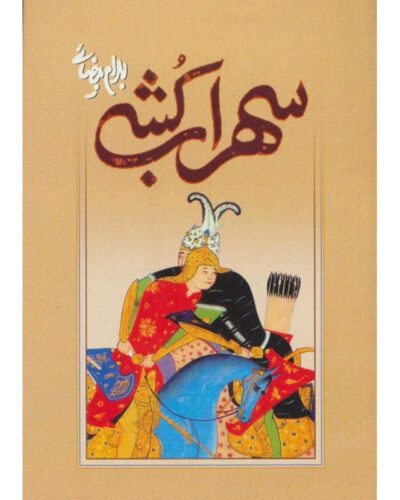
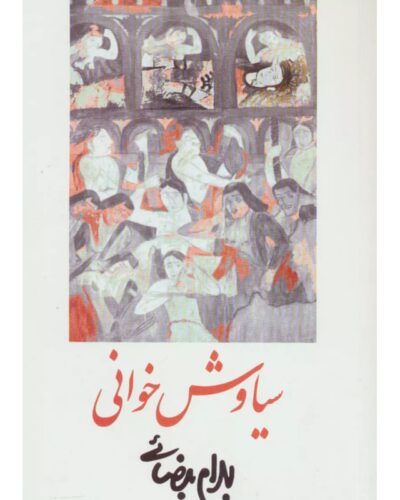
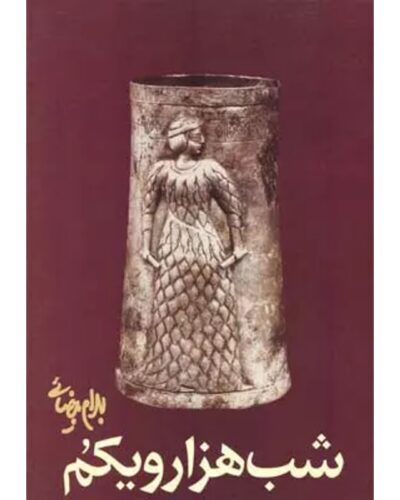
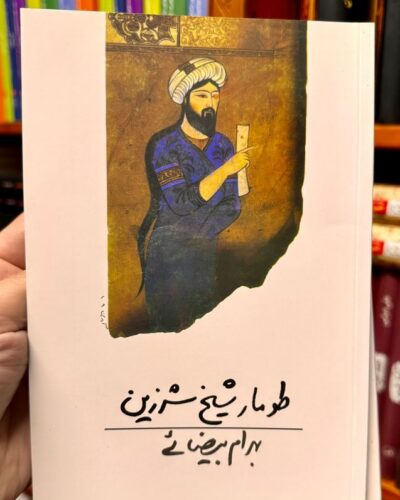

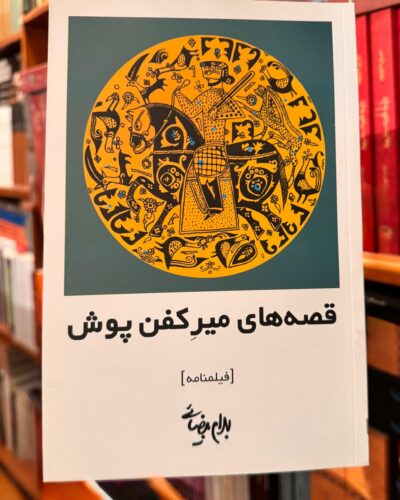

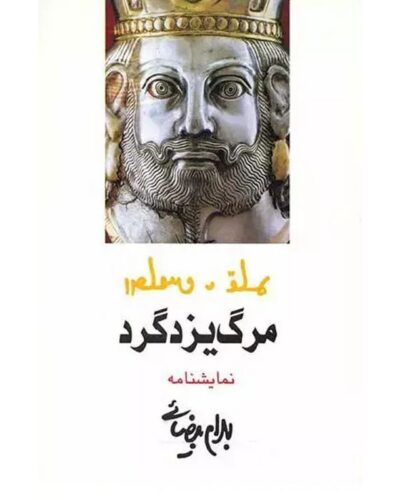

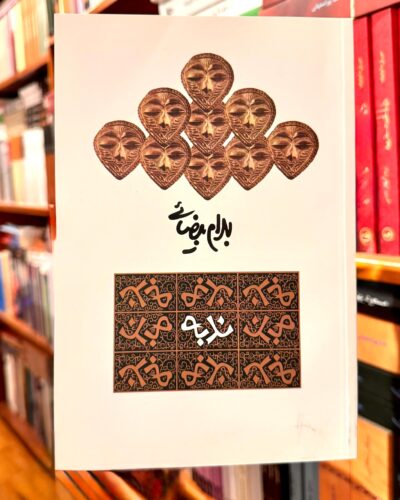
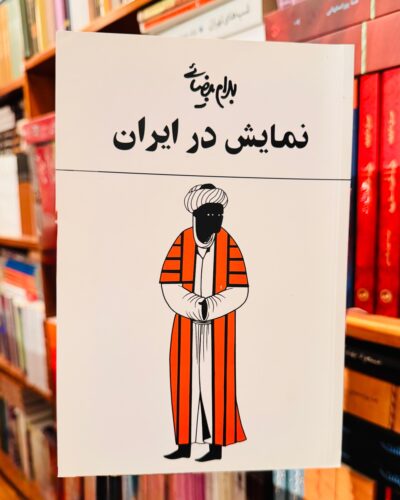

ازاینرو، مشاهده همه کتابهای مرتبط
Bahram Beyzaie: Complete English Biography, Theatre and Cinema Guide
Moreover, Bahram Beyzaie (1938–2025) was one of the most consequential figures in modern Iranian theatre and cinema: playwright, director, screenwriter, scholar, teacher and historian of performance. Furthermore, his work brings myth, ritual, language, gender and political power into structures that are at once deeply Iranian and radically modern.
Early life and independent scholarship
In turn, Beyzaie was born in Tehran on 26 December 1938. Moreover, he did not follow a conventional academic route to authority. In addition, through sustained independent research, he studied ta‘ziyeh, naqqali, puppetry, popular performance and premodern dramatic forms. Also, his foundational book Namayesh dar Iran (Theatre in Iran) challenged the assumption that Iranian culture lacked dramatic history.
Language and the stage
However, Beyzaie’s plays are written for breath, movement and confrontation. Furthermore, he creates an elevated yet performable Persian through repetition, parallelism and reworked archaic forms. Historical or mythical settings do not provide escape from the present; they expose mechanisms of authority, testimony and exclusion.
For this reason, major plays include Arash, Azhi Dahak, Death of Yazdgerd, Nadbeh, Siavash-Khani, The Thousand and One Nights, Afra, or the Day Passes and Crossroads. Moreover, many can be read as literature, but performance reveals their sonic and spatial design.
Cinema
Therefore, his ten feature films include Downpour, Stranger and the Fog, The Ballad of Tara, Death of Yazdgerd, Bashu, the Little Stranger, Travellers, Killing Mad Dogs and When We Are All Asleep. Bashu is especially important for its treatment of war, race, language and chosen family: a southern boy displaced by war is taken in by a woman in northern Iran, and communication exceeds linguistic difference.
Women, history and testimony
By contrast, women in Beyzaie’s work are often the people who see through official narratives, preserve memory and act when institutions fail. This does not make every representation beyond criticism, but it distinguishes his dramaturgy within a male-dominated cultural field. In Death of Yazdgerd, competing testimonies about a king’s death turn history into a trial where power attempts to decide which story counts.
Censorship, teaching and Stanford
Consequently, for decades, projects were restricted, delayed or denied permission. Meanwhile, Beyzaie continued writing even when performance or production was impossible. He joined Stanford’s Iranian Studies Program in 2010, where he taught, researched and staged six plays. Also, Exile did not end his engagement with Persian language; it created a new institutional setting for it.
Death and legacy
Moreover, Stanford reports that Beyzaie died at his Palo Alto home on 26 December 2025, his eighty-seventh birthday. Furthermore, his career included ten feature films, four shorts, fourteen stage productions as director—including six at Stanford—and more than seventy published books, monographs, scripts and studies. The coincidence of birth and death dates is striking but should not overshadow the scale of the archive.
Works by Beyzaie versus studies about him
In addition, Primary works include his plays, screenplays, films and research such as Theatre in Iran. Secondary works include biographies, interviews and criticism such as The Great Stranger or books of conversations. The large Alefba grid above contains both; the product author field and title should guide classification.
Where to begin
However, for theatre, begin with Death of Yazdgerd and then read Arash or Nadbeh. For film, pair Bashu with Travellers. For scholarship, use Theatre in Iran. Comparing a screenplay or play with a filmed/staged version reveals how Beyzaie changes meaning through blocking, voice and image.
Sources
نظر، اصلاح و تکمیل محتوا
اصلاح اطلاعات یا ارسال نظر درباره این صفحه
اصلاح اطلاعات یا ارسال نظر درباره «بهرام بیضایی؛ زندگی، آثار، نمایش و سینمای ایران»
اگر درباره مشخصات، تاریخها، نامها، منابع یا محتوای این صفحه اصلاح مستندی دارید، لطفاً پیام خود و منبع اطلاعات را ارسال کنید. پیامها پیش از اعمال تغییر بررسی میشوند.
If you have a documented correction, reliable source or additional information about this page, please send it below. All submissions are reviewed before any changes are made.